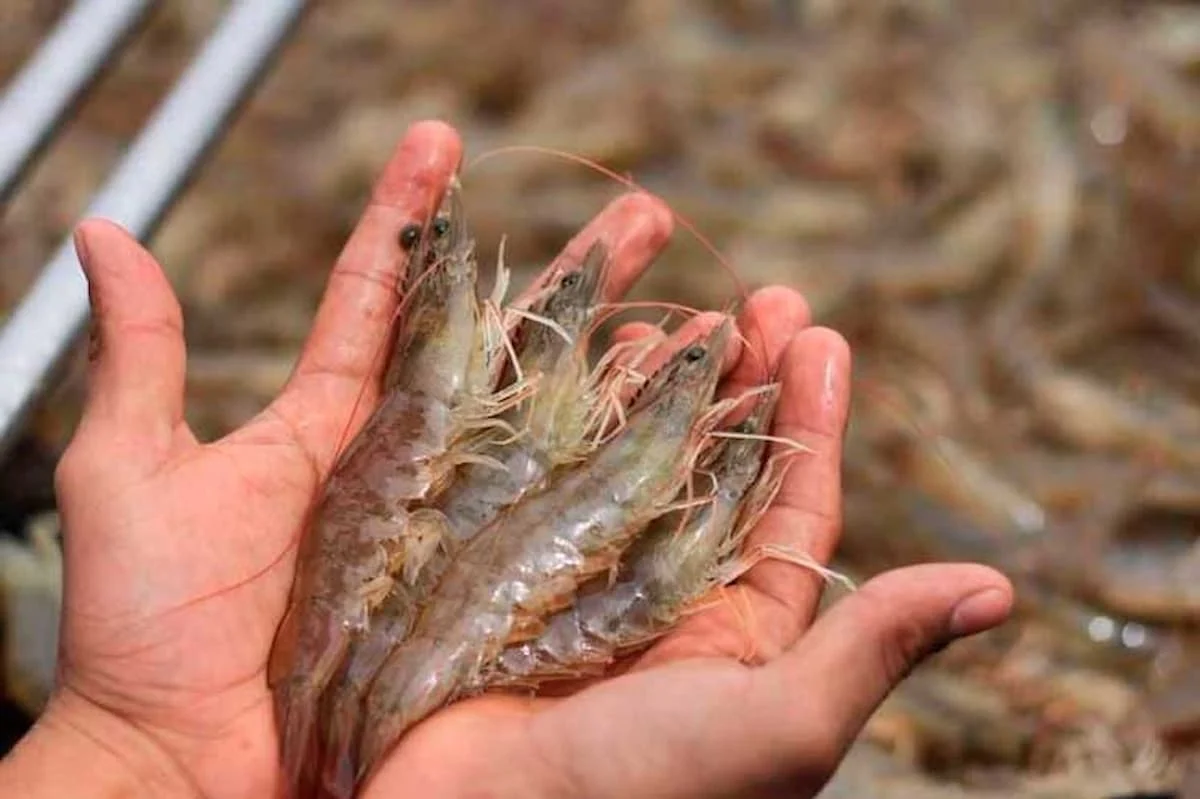
Mexico City — The federal government has launched a new front against so-called “shrimp huachicol,” deploying inspection operations across multiple states to detect irregular imports of the crustacean.
The strategy is led by the National Commission of Aquaculture and Fisheries (Conapesca), in coordination with tax, health, and federal security authorities. Inspections aim to verify documentation, traceability, and sanitary compliance of imported shrimp, amid concerns from the aquaculture sector over unfair competition and commercial evasion.
Operations at Strategic Points
Conapesca reported that operations were carried out at 15 strategic sites in Jalisco, Mexico City, Guanajuato, Quintana Roo, Sinaloa, Baja California, and Chiapas. Key cities inspected include Guadalajara, Zapopan, León, Irapuato, Cancún, Mazatlán, Tijuana, and Tapachula, considered critical hubs for seafood distribution.
The inspections involved the General Administration of Foreign Trade Audit (AGACE), the Federal Commission for the Protection against Sanitary Risks (Cofepris), the National Guard, and the National Service of Health, Safety, and Food Quality (Senasica). Authorities reviewed invoices, sanitary permits, legal origin of shrimp, and compliance with commercial, fishing, and safety standards.
“The actions aim to stop the irregular entry of product from non-market economies and protect national producers,” Conapesca said in a statement.
Domestic Producers Seek Level Playing Field
The crackdown comes amid complaints from Mexican producers about imported shrimp entering at lower prices with possible tariff irregularities. The federal administration said its priority is to ensure fair commercial conditions for Mexican aquaculture farmers and fishers.
“It is the instruction of the President of Mexico to guarantee dignified and fair conditions,” Conapesca emphasized regarding the measures implemented in the sector. The government said these actions also seek to strengthen regional economies and reinforce food sovereignty linked to domestic shrimp production.
More Crime
- Playa del Carmen Mayor Responds to Puerto Aventuras Mayor’s Arrest on Extortion Charges
- Loose Horses on Reforma-Bacalar Highway Crash Leave Mare Dead, Second Horse Injured
- Former Gubernatorial Candidate Laura Fernández Piña Loses Appeal Against 20-Year Public Office Ban
- Three Men Sentenced in Quintana Roo for Sexual Abuse of Minors, One Receives 120 Years
- Cancún Authorities Identify 19-Year-Old Woman Found Dead Near Supermanzana 201