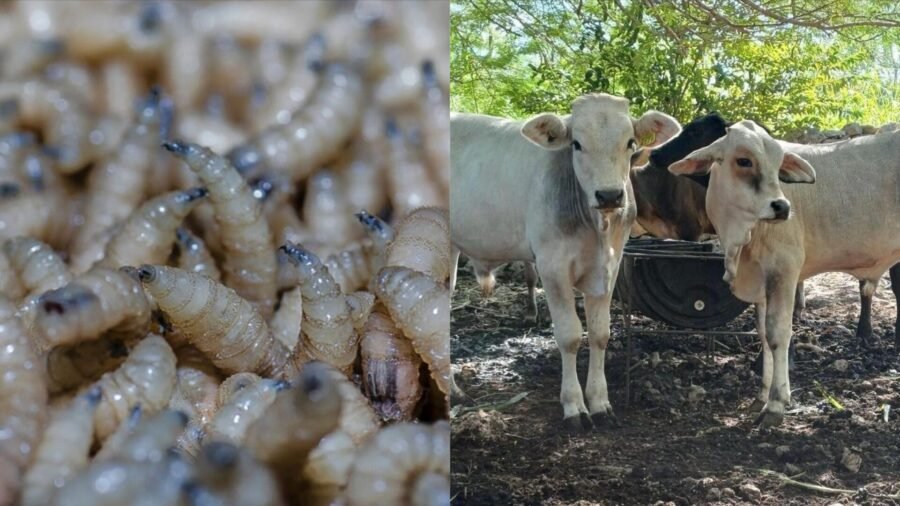
Mexico City — The Mexican government announced it will import up to 110 million sterile flies as part of a biological control strategy to combat screwworm infestations that have devastated the country’s livestock sector. The outbreak prompted the United States to close its border to Mexican cattle exports in May 2025.
Health authorities are implementing this emergency plan to restore Mexico’s phytosanitary status and resume live animal exports. The National Service for Agrifood Health, Safety and Quality has already awarded a contract for daily and weekly supplies of biological material.
The shipments will include sterile pupae and eggs of Mediterranean fruit flies, which will be delivered directly to dispersal centers across key regions of the country. The Agriculture Ministry is overseeing logistics to ensure specimens arrive in optimal condition for release.
Economic Recovery Strategy
The strategy involves mass dispersal of sterile male specimens in affected areas, where they will mate with wild females without producing offspring. This method gradually reduces the screwworm population density until achieving total eradication in controlled zones.
Experts prefer this biological approach over traditional chemical methods, as it provides a non-toxic solution that respects the regional environment. The primary goal is to interrupt the reproductive cycle of the Cochliomyia hominivorax fly larvae.
By releasing millions of insects incapable of reproduction, authorities weaken the pest’s biological structure without spreading pesticides that could contaminate meat or soil. This technique represents the most sophisticated tool available to address the multimillion-dollar losses reported by the livestock sector after nine months of commercial paralysis.
Mexico has previously implemented this technology successfully to eradicate other threats like fruit flies. Currently, health brigades are applying the method intensively to stop the advance of screwworms, which cause deep wounds and death in herds if left untreated.
The program’s urgency responds to the need to reopen the U.S. market, the primary destination for livestock production from northern and southern states. The plan includes continuous transfer of biological material from facilities in Guatemala and Panama to Mexico’s highest-risk areas.
During the first half of 2026, the government plans to begin operating a national sterile fly production plant in Chiapas state.
Discover more from Riviera Maya News & Events
Subscribe to get the latest posts sent to your email.