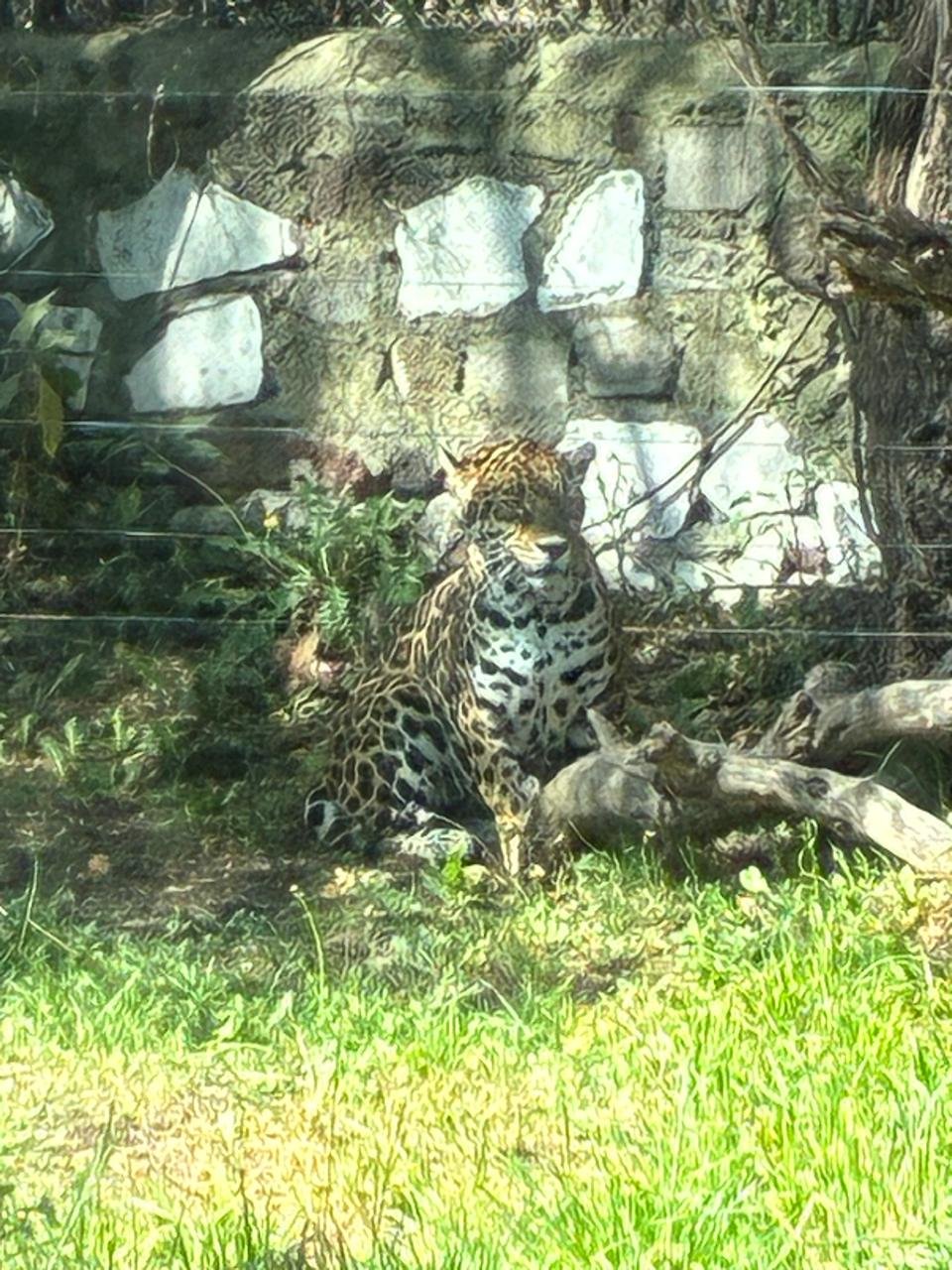
Mexico — For the first time in Mexico, specialists are applying a scientific methodology to analyze the genetic variability of jaguars and other felines, with the goal of achieving the successful reproduction of an endangered species.
Victoria Araiza, a researcher at the National School of Biological Sciences of the IPN and leader of the Jaguar Refuge project, emphasized that understanding the genetics of jaguars allows for the assessment of population health, maintenance of their genetic variability, and selection of suitable breeding pairs. She also stated that these studies are key for the reintroduction of specimens into their natural habitats.
Genetics Will Guide the Selection of Breeding Pairs
Araiza explained that the analyses will allow for the quantification of genetic variability and, with that, the selection of breeding pairs that produce offspring capable of adapting to the environment from which they were removed.
Reino Animal Highlights the Ecological Impact of the Jaguar
Ithiel Berrum, general director of Reino Animal, noted that Mexico is the fifth most biodiverse country in the world. Since this sanctuary was announced, more than 600,000 visitors have come to the center to learn more about the feline.
He asserted that the presence of the jaguar indicates ecosystem health: “Where there are jaguars, there is life, food, and balance. Every time the jaguar returns to its territory, we are restoring our way of life.”
Ferrero Promotes a Project to Protect the Jaguar for the First Time
Solange Massimi, director of Institutional Relations and Corporate Communication for Ferrero in Mexico and Central America, stated that this is the Group’s first initiative to protect this species in Mexico. The company chose the jaguar because the cocoa in its production chain comes from Chiapas, a territory where the feline inhabits.
Unique Project in Mexico and Latin America
The project, located near Teotihuacán, State of Mexico, aims to restore the species and the ecosystems essential for its survival.
It is currently in its third phase, which includes:
- Analyzing the genetic purity of 9 local jaguars and 5 additional specimens from other centers.
- Transferring the offspring to a wild rearing area without human contact for two years.
- Subsequently releasing them into ecological reserves.
This conservation complex is unique in Mexico and Latin America and represents a historic advance for jaguar protection.
Discover more from Riviera Maya News & Events
Subscribe to get the latest posts sent to your email.