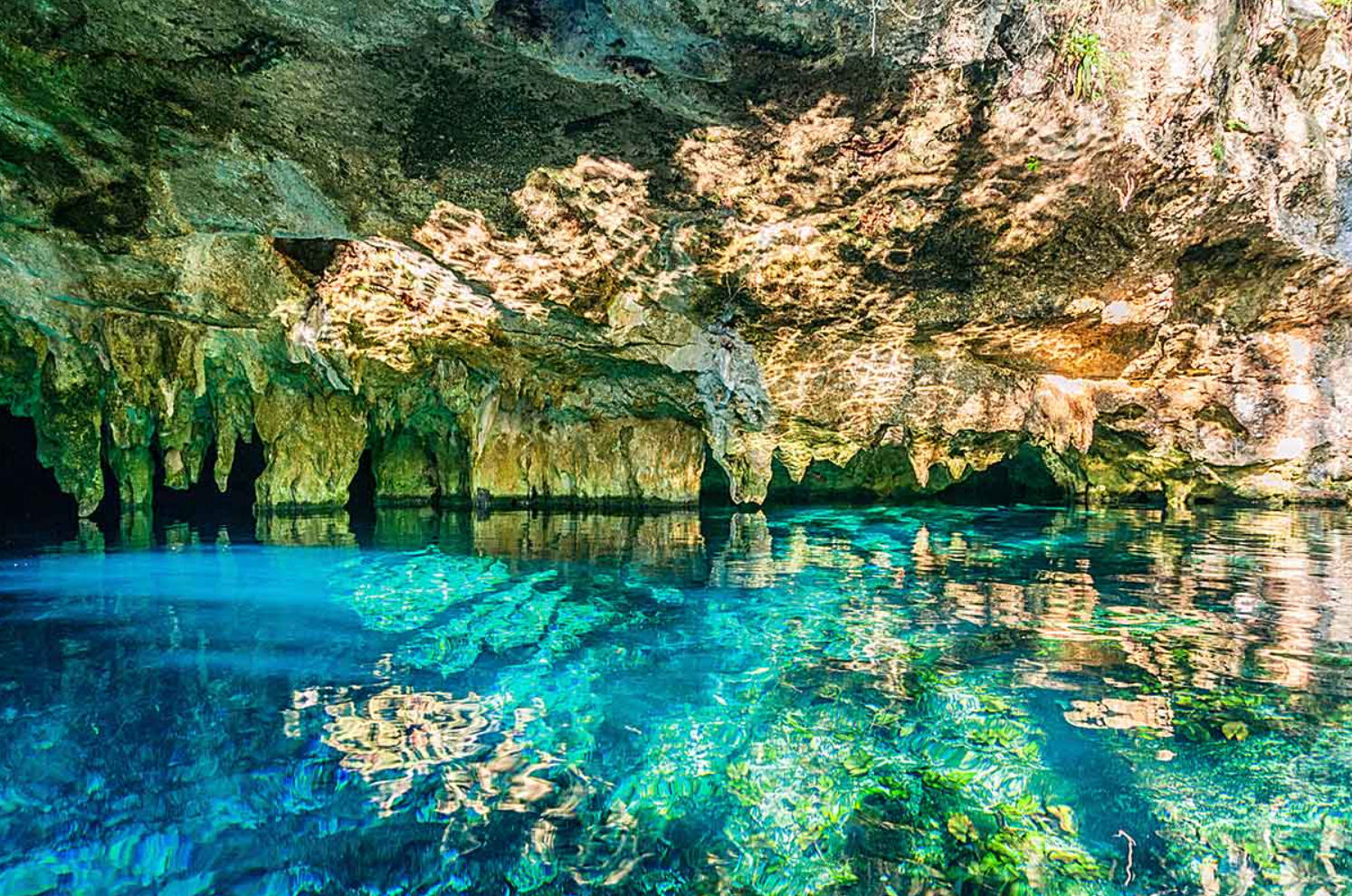
Mexico — The National Commission of Natural Protected Areas (Conanp) is moving forward with a landmark conservation initiative that could redefine environmental protection in Mexico: declaring all underground rivers and cenotes of the Yucatán Peninsula as a subterranean geo-reserve, a first-in-the-world designation that would safeguard more than 3 million hectares of fragile karst terrain.
If approved, the measure would protect the largest interconnected flooded cave system on Earth, a network that provides drinking water to nearly every community in Quintana Roo and Yucatán.
Why This Protection Is Urgent
Maricarmen García Rivas, Conanp’s Director of Conservation, said the region faces escalating threats from rapid urban expansion, real estate speculation, hotel construction, agriculture, and insufficient wastewater treatment.
“We must prevent these systems from becoming contaminated,” she said. “Stricter regulation is needed for wastewater and for how we build above these environments.”
Scientists warn that the peninsula’s porous limestone makes the aquifer extremely vulnerable: sewage, chemicals, and runoff can migrate quickly through the underground system and emerge untreated in coastal waters. Studies by UNAM, CICY, and the Riviera Maya’s water research groups have documented rising levels of bacteria, nitrates, and microplastics in cenotes and mangroves.
Cave explorers, including groups like the Quintana Roo Speleological Survey (QRSS), have mapped more than 1,650 kilometers of underwater caves — many directly impacted by construction, road building, and unregulated tourism.
Scope of the Proposed Geo-Reserve
This would be the first protected natural area in the world focused primarily on a subterranean ecosystem. The proposal includes:
- All cenotes, sinkholes, and flooded caverns
- Major underwater systems such as Sac Actún, Ox Bel Ha, Nohoch Nah Chich, and Dos Ojos
- Recharge zones where rainwater filters into the aquifer
- Surface areas whose development affects underground stability
- Cultural and archaeological sites, including Maya offerings, bones, and artifacts preserved for millennia in cave chambers
Many cenotes are considered portals to Xibalbá, the Maya underworld, making cultural collaboration essential.
New Construction Rules Expected
Conanp confirmed it will form an interdisciplinary panel of geologists, hydrologists, cave divers, archaeologists, and Maya community representatives to develop:
- Land-use guidelines
- Rules on where development is permissible
- Standards for wastewater treatment
- Restrictions on heavy machinery near cave zones
- Emergency protocols for contamination or collapse
Context: Development Pressures Are Mounting
The proposal comes amid intense public debate over environmental pressures from tourism, urban sprawl, and major infrastructure projects.
Key concerns include:
- Thousands of unregulated septic systems leaking into the aquifer
- Cave collapses, including along the route of Tren Maya Section 5, which passes over some of the world’s most fragile cavern roofs
- Over-extraction of groundwater for resorts and agriculture
- Tourism impacts from mass visitation to popular cenotes
Environmental groups have long argued that the region’s economic growth depends on protecting its water — the very resource that makes the Riviera Maya possible.
Community Participation at the Center
Conanp emphasized that indigenous and rural communities will play an active role in shaping the rulebook for the geo-reserve. Many communities have stewarded cenotes for generations and retain knowledge of sacred water sites and underground passages.
Next Steps
The technical justification study — required before any protected status is granted — is nearly complete. The agency expects it to be finished by the end of 2025 or early January 2026.
If approved, Mexico would establish the world’s first subterranean geo-reserve, setting a global precedent for aquifer-based conservation and adding a new layer of protection for one of Earth’s most extraordinary natural systems.
Discover more from Riviera Maya News & Events
Subscribe to get the latest posts sent to your email.