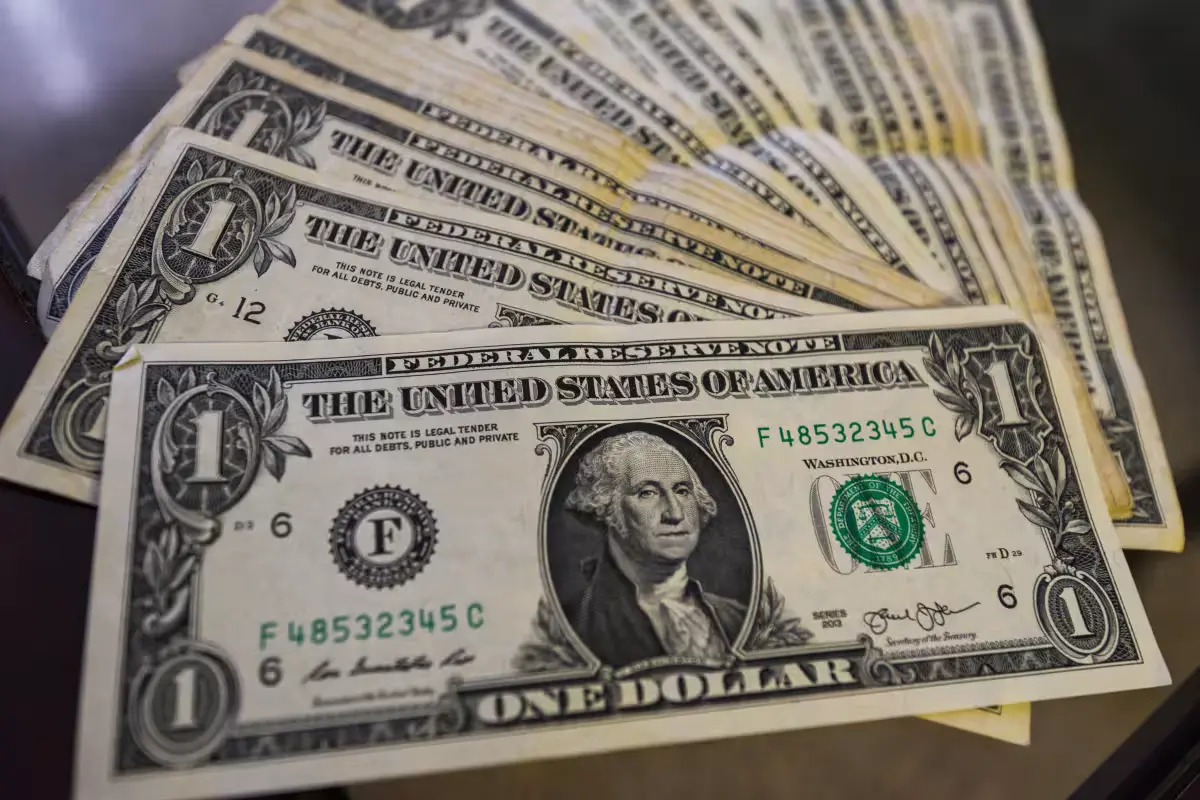
Mexico City — The Mexican peso fell to its lowest level in six months on Friday, with the US dollar reaching 17.93 pesos according to the Bank of Mexico and the Official Gazette of the Federation. The peso experienced its worst trading day in the last half-year against the US currency, losing more units in the past 24 hours. The previous day’s closing rate was 17.73 pesos.
Current Exchange Rates at Major Banks
At the time of reporting, the US dollar was selling for 17.93 pesos, though some areas reported rates as high as 18.54 pesos. Meanwhile, some banks were buying dollars for 15.70 pesos. Here are the current rates at major Mexican banks:
- Afirme: Buy 16.90, Sell 18.40
- Banorte: Buy 16.45, Sell 18.05
- BBVA: Buy 16.85, Sell 17.99
- Banamex: Buy 17.14, Sell 18.15
- HSBC: Buy 16.80, Sell 17.60
- Santander: Buy 16.59, Sell 17.59
- Scotiabank: Buy 15.70, Sell 19.20
- Banco Azteca: Buy 16.25, Sell 18.29
Yucatan Peninsula Exchange Rates
The dollar price in Campeche, Quintana Roo, and Yucatan matches the national rate at 17.93 pesos for selling. However, exchange houses and airports throughout the Yucatan Peninsula may offer varying purchase rates. Officials recommend comparing rates at different institutions to get the best value.
Dollar Rates Across Latin America
Across Latin America, Venezuela faces the most severe impact from dollar appreciation. Here are exchange rates for one US dollar in major Latin American countries as of Friday:
- Argentina: 1,398.00 Argentine pesos
- Belize: 2 Belize dollars
- Bolivia: 6.90 Bolivianos
- Brazil: 5.22 Brazilian reals
- Chile: 914 Chilean pesos
- Colombia: 3,703.95 Colombian pesos
- Costa Rica: 468.37 Costa Rican colones
- Guatemala: 7.65 Guatemalan quetzals
- Peru: 3.43 Peruvian soles
- Venezuela: 450.94 Venezuelan bolivars
Factors Influencing Mexico’s Dollar Rate
Three primary factors drive the dollar’s price in Mexico: interest rate increases by the US Federal Reserve, which cause exchange rate fluctuations; oil prices, which create peso volatility since many commercial products depend on the natural resource; and tax calendar deadlines, which often go unnoticed but can increase currency demand when taxpayers need dollars to meet obligations.
Discover more from Riviera Maya News & Events
Subscribe to get the latest posts sent to your email.