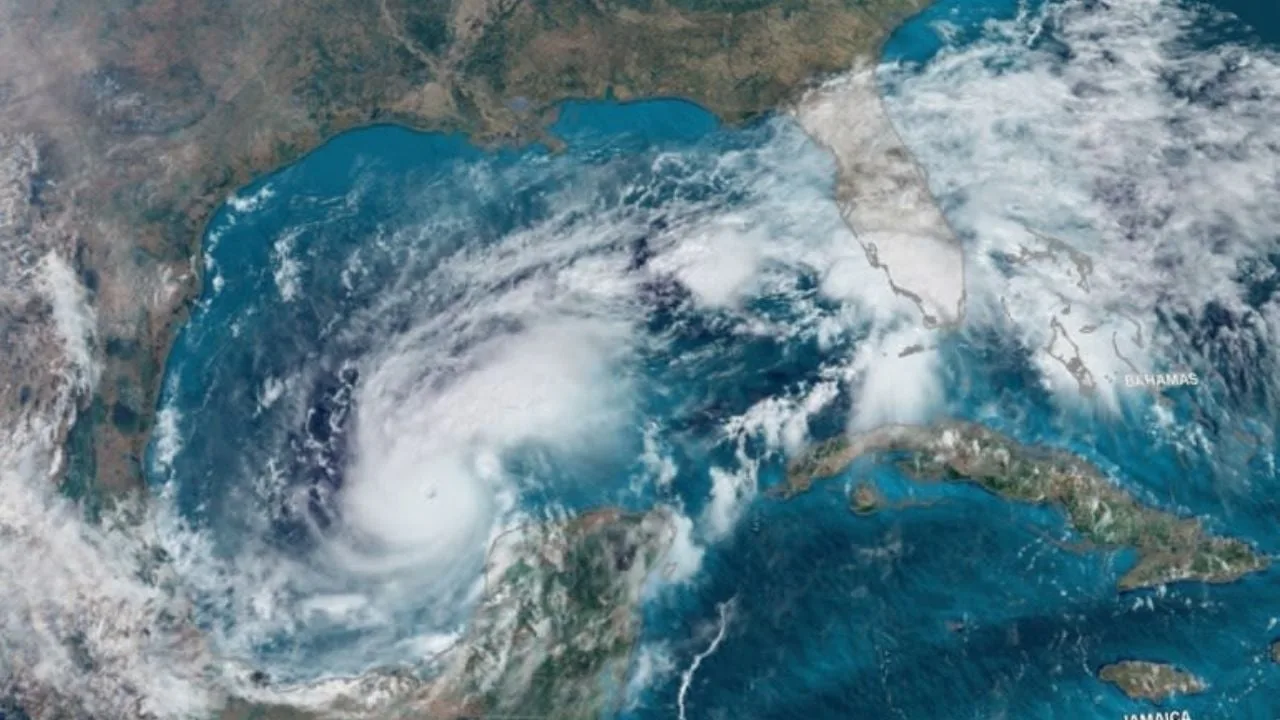
Cancun, Quintana Roo – Mexico is preparing for the 2026 Atlantic and Pacific hurricane seasons, which officially begin in May and June and run through November 30.
Although the seasons are still weeks away, the World Meteorological Organization (WMO) has already published the predetermined alphabetical name lists that will be used to identify tropical cyclones as they develop. The Pacific hurricane season starts earlier, on May 15, while the Atlantic basin officially begins on June 1.
A tropical system only receives a name once it strengthens into a tropical storm, defined by sustained winds of at least 63 kilometers per hour (39 mph). Names are assigned in alphabetical order as storms form, and the same rotating lists are reused every six years. However, when a storm causes catastrophic damage or significant loss of life, its name is permanently retired and replaced.
In 2025, the name “Melissa” was retired after causing damage in the Caribbean and was replaced with “Molly” for future seasons.
Pacific Hurricane Names for 2026
The Pacific basin, which generates many of the storms that affect Mexico’s western coastline, will use the following names:
Amanda
Boris
Cristina
Douglas
Elida
Fausto
Geneviev
Hernan
Iselle
Julio
Karina
Lowell
Marie
Norbert
Odalys
Polo
Rachel
Simon
Trudy
Vance
Winnie
Xavier
Yolanda
Zeke
Eastern Pacific storms typically form off the southern coast of Mexico and Central America. While many remain offshore, powerful hurricanes in recent years — including Patricia (2015), one of the strongest storms ever recorded in the Western Hemisphere — demonstrate the basin’s potential for rapid intensification.
Atlantic Hurricane Names for 2026
For the Atlantic Ocean — the basin that directly influences the Mexican Caribbean and states like Quintana Roo — the 2026 names are:
Arthur
Bertha
Cristobal
Dolly
Edouard
Fay
Gonzalo
Hanna
Isaias
Josephine
Kyle
Leah
Marco
Nana
Omar
Paulette
Rene
Sally
Teddy
Vicky
Wilfred
The Atlantic basin includes the Gulf of Mexico and the Caribbean Sea, meaning storms forming anywhere in this region can impact destinations such as Cancún, Playa del Carmen, Cozumel, and Tulum. Quintana Roo has experienced major hurricanes in recent decades, including Wilma (2005), which stalled over the region for nearly 60 hours, and more recent systems such as Delta (2020) and Grace (2021).
Early Outlook for 2026
While Mexico’s National Water Commission (CONAGUA) has not yet released its official 2026 forecast, early seasonal outlooks from international meteorological agencies suggest another above-average Atlantic season remains possible. Sea surface temperatures across much of the tropical Atlantic and Caribbean are running warmer than historical averages — a key ingredient for storm formation and intensification.
At the same time, the expected transition toward El Niño conditions in the Pacific could introduce increased wind shear in the Atlantic basin, which tends to suppress storm development. Seasonal activity often depends on the balance between these competing factors.
In 2025, the Atlantic produced 20 named storms, underscoring the continued pattern of active seasons in the era of record-warm ocean temperatures.
Why the Names Matter
Naming tropical cyclones allows meteorologists, emergency managers, and the public to clearly identify and track systems — especially when multiple storms are active at once. The standardized naming system reduces confusion in warnings and improves communication during rapidly evolving weather events.
For Mexican Caribbean states like Quintana Roo, constant monitoring is critical. Even storms that make landfall elsewhere can influence rainfall, sea conditions, tourism activity, and maritime navigation across the region.
In the coming weeks, CONAGUA will release its official forecast for the 2026 hurricane season, detailing how many cyclones are expected to form and the projected level of activity for both the Atlantic and Pacific basins.
With the official start dates approaching, preparation — not prediction — remains the most reliable strategy for communities along Mexico’s coasts.
Discover more from Riviera Maya News & Events
Subscribe to get the latest posts sent to your email.