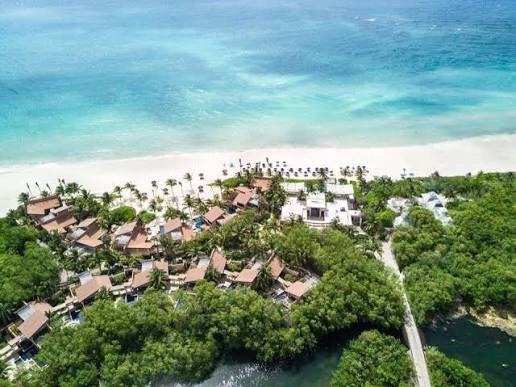
Cancún, Quintana Roo — Hotel operators in the Mexican Caribbean are turning to native plants to rebuild the coastal dunes that shield their beaches from erosion and sargassum, with three resorts in Cancún and Puerto Morelos leading the effort.
The projects rely on roughly 15 species of native vegetation and are supported by specialists, according to biologist Vanesa Peña, environmental manager at Original Group.
“The strategy is now under way at three hotels, though progress is gradual because coastal dune plants are hard to come by,” Peña said.
The plan covers two kilometers of dune at the Temptation Cancún Resort, the Desire Riviera Maya Resort and the Desire Pearl Riviera Maya Resort. About 800,000 pesos have been invested in a nursery and in irrigation with treated water.
Species such as purslane, rosemary and sea lily are used to anchor the sand. Because commercial supplies of these plants are scarce, the hotels set up their own nurseries. They avoid protected flora, turning to nurseries authorized under Mexico’s UMA conservation scheme when regulated plants are required.
The project also makes use of plant material that washes ashore. Instead of clearing all the seagrass that arrives, workers place part of it in the dune areas, where it slows erosion and, as it decomposes, helps sand accumulate.
Restoration has no fixed deadline, Peña said, because it depends on how quickly the plants reproduce on their own.
She said the goal is to widen the effort through collaboration between hotel companies. Original Group is sharing its experience with Palace Company, Mayakoba and Iberostar in hopes of creating a larger community nursery that would guarantee a steady supply of plants for dune conservation.
“With an initial investment of about 800,000 pesos, the project reproduces native plants and strengthens the restoration of coastal dunes, in an initiative that began with the goal of replacing landscaped beach species with native coastal dune vegetation,” Peña said.
More Environment
- Dolphin Swims Continue in Puerto Aventuras as Cancún Dolphin Debate Simmers
- Punta Allen Lobster Fishermen Report 40 Tons Three Months Into Season
- Scientists Warn Sargassum and Pollution Threaten Quintana Roo’s Coral Reefs
- Mahahual Hosts Nearly 100 Birdwatchers for 12th Regional Pajareada
- Calica Mine Lands to Become Ecological Restoration Zone, Conanp Says
More Cancun
- Canada Arms Trafficking Suspect Arrested in Cancún
- Cancún to Repave 2.6 Kilometers of Avenida De los Colegios in January 2027
- Cancún Loses 20 Restaurants So Far This Year, Industry Group Says
- Quintana Roo Police Arrest Two Guatemalan Fugitives With Interpol Red Notices
- MOBI Adds 100 Hybrid Buses and Four New Routes to Expand Cancún Coverage