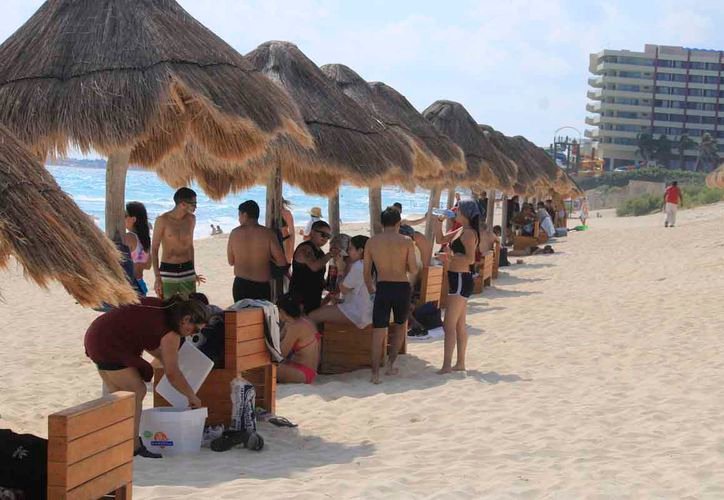
Cancún, Quintana Roo — Hoteliers in Cancún are systematically excluding local residents from beaches to prioritize international tourists, according to a new academic study from the Autonomous University of Quintana Roo (Uqroo).
Researchers Mirna Yasmín Pacheco Cocom and Anastacio Gustavo Fernández Rodríguez found that of Cancún’s 14 originally planned public beaches, only three remain in suitable condition for unrestricted access. Their descriptive study documents how privatization extends beyond physical barriers to include symbolic fences and luxury-oriented space management.
The researchers documented cases where private security personnel from hotel complexes obstruct and intimidate local citizens to preserve guest “privacy.” They examined an economic model that transforms common-use areas into privately exploited spaces, creating socio-environmental tensions in the destination.
The problem stems from reconfiguring spaces for exclusive visitor consumption, displacing the host community from their right to the coastal environment. Researchers note that resident presence is considered a discomfort factor for tourism, particularly international visitors, restricting local recreation options.
This exclusion creates social fractures by preventing residents from exercising their rights in the territory where they live and mostly work. The study identifies cultural displacement from gentrification and the imposition of foreign consumption models, with international franchises proliferating in the hotel zone while local establishments remain absent.
Environmentally, uncontrolled development and coastal walling affect the area’s ecological sustainability. Intensive construction on coastal dunes contributes to erosion and biodiversity loss.
According to the research, economic benefits don’t compensate for the social costs of exclusion and lost coastal access. The region’s dependence on a single economic sector increases vulnerability to external crises.
Analysis of signage in public areas, such as “beach limit” signs, reveals landscape fragmentation. Visual and physical barriers alter the population’s relationship with the sea and reinforce perceptions of illegality in federal zone appropriation.
The researchers’ prospective vision suggests greater restrictions over the next decade if current trends continue. They anticipate most public access points could close permanently, leaving citizens without spaces for free recreation. This “exclusive” model will affect the destination’s long-term social sustainability.
They recommend implementing strict regulatory measures and reviewing concessions in the Federal Maritime Terrestrial Zone (Zofemat), emphasizing the importance of active citizen oversight to defend public space rights. Cancún’s future depends on balancing economic success with social equity and respect for legality.
Key Figures
- 7 million tourists visit Cancún annually on average
- 125 hotels operate in Cancún
- 47,344 hotel rooms available
- 11 public beaches are under municipal government care
Discover more from Riviera Maya News & Events
Subscribe to get the latest posts sent to your email.