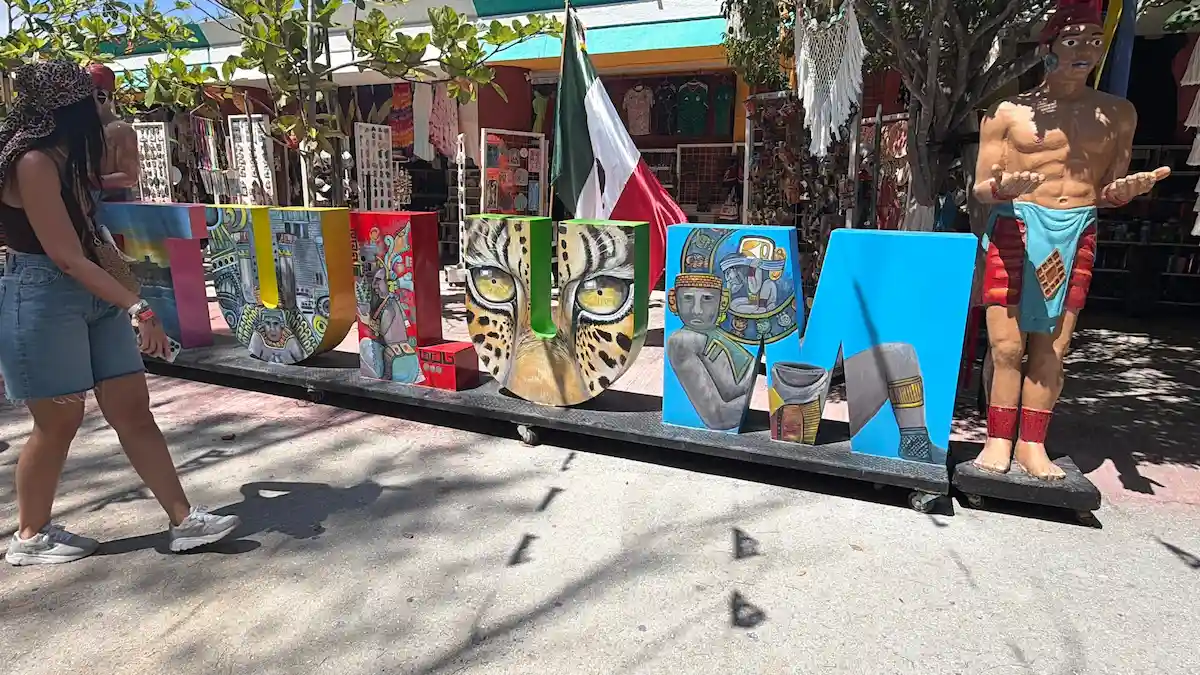
Tulum, Quintana Roo — The Mexican government’s decision to reinstate free access to beaches and the Jaguar Park for national visitors has been welcomed as a boost for tourism in Tulum. But residents, business owners, and tourism workers say the move alone will not solve the deeper problems that have been hurting the local economy and the destination’s image for months.
In a survey conducted by this newspaper, citizens said the return of free beach access addresses a long-standing social demand and could encourage domestic tourists to return. However, they stressed that the destination’s recovery depends on tackling other issues that continue to affect visitors’ experiences and the local economy.
“It’s good news that the beaches are accessible to everyone again, because that will attract more people, but if tourists still face excessive charges and bad experiences, the problem will persist,” said Maria Gonzalez Hernandez, a merchant in downtown Tulum.
Jose Luis Chan Poot, a tourism service provider, added: “Free access helps, but there are still many things to fix so that visitors want to come back and recommend the destination.”
Among the main concerns, interviewees cited reports of alleged extortion targeting tourists and service providers, as well as high taxi fares for short trips. They said stronger transport regulation and better mobility are needed to improve the visitor experience.
Another persistent problem is sargassum seaweed. Residents noted that the accumulation of the macroalgae on several beaches reduces the appeal of the Mexican Caribbean and directly impacts hotel occupancy, retail sales, and the activities of service providers. Added to this is an economic slowdown that, they say, has led to job losses and increased uncertainty for hundreds of families dependent on tourism.
Although the free opening of beaches and Jaguar Park was widely recognized as progress, residents agreed that Tulum’s true recovery will require comprehensive actions, including greater security, a crackdown on abuses, orderly public transport, more effective strategies to deal with sargassum, and policies to boost job creation and restore confidence among tourists and investors.
More Tourism
- Aeromexico Eyes New U.S. Routes After Mexico City Limits End
- Meliá Invests €50 Million in Paradisus Cancún Renovation
- Tourism Slump Forces 35% of Skål México Businesses to Borrow to Cover Payroll
- Tulum Records Over 6,000 Sea Turtle Nests as Beach Furniture Threatens Hatchlings
- Playa del Carmen Mayor Pitches Atlético Dallas on Preseason Camp and Youth Sports Alliance
More Tulum
- Free Mammograms Offered in Three Quintana Roo Municipalities
- Anyma Brings ÆDEN to Zamna Tulum for 10th Anniversary Show on January 4
- Tulum Pivots to Luxury as Airlines Cut Flights, Occupancy Drops
- Cancún Seaweed Firm Ensol Caribe Eyes Expansion Into Dominican Republic and Belize
- Environmentalists Warn Tulum Jungle Road Could Open Door to Real Estate Expansion