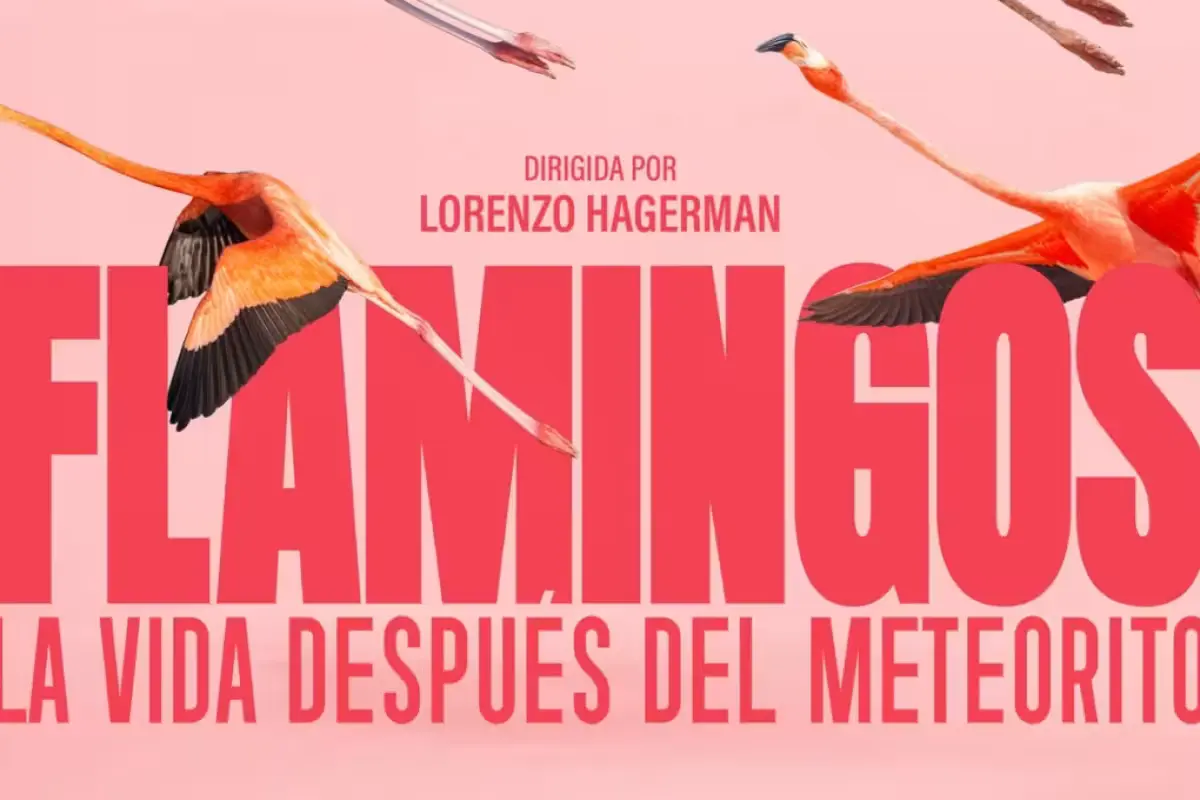
Yucatán, Mexico — A new documentary exploring the resilience of the Caribbean flamingo, one of the most recognizable species of the Yucatán Peninsula, is set to premiere in Mexican cinemas this month with narration by singer-songwriter Julieta Venegas.
“Flamingos: Life After the Meteorite,” directed by acclaimed Mexican cinematographer and filmmaker Lorenzo Hagerman, offers an intimate look at the American flamingo (Phoenicopterus ruber), the large wading bird known for its vibrant pink to vermilion plumage. The film is described as introspective, using the flamingo as both subject and symbol — a survivor of dramatic geological and environmental change in a region shaped by one of Earth’s most famous extinction events.
The Yucatán Peninsula sits at the epicenter of the Chicxulub impact crater, formed approximately 66 million years ago when a massive asteroid struck the region, triggering the mass extinction that ended the age of the dinosaurs. Today, that same peninsula supports one of the largest populations of American flamingos in the Western Hemisphere, particularly along the northern coast in protected areas such as the Ría Celestún Biosphere Reserve and Ría Lagartos Biosphere Reserve.
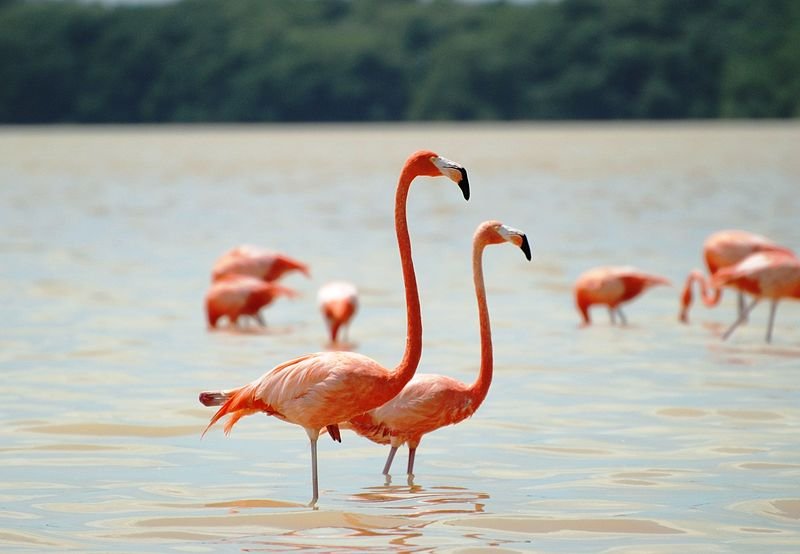
The American flamingo is classified globally as a species of “least concern” by the International Union for Conservation of Nature (IUCN), but its populations remain vulnerable to habitat degradation, water contamination, and climate-driven changes in wetland ecosystems. In Mexico, the Yucatán population is especially significant. Estimates from conservation authorities and regional monitoring programs suggest that tens of thousands of flamingos congregate seasonally along the peninsula’s shallow coastal lagoons, making it one of the species’ most important breeding and feeding grounds.
Flamingos derive their iconic coloration from carotenoid pigments found in their diet, which consists largely of algae, crustaceans, and small invertebrates filtered from saline and brackish waters. Juvenile flamingos are born gray or white and gradually develop their pink hue as they mature and consume pigment-rich food sources.
The life cycle of the flamingo is closely tied to the hydrology of the peninsula’s wetlands. Breeding typically occurs between April and August, depending on water levels. Flamingos build conical mud nests rising above shallow water to protect eggs from flooding. Each breeding pair lays a single egg, and both parents share incubation duties. Large colonies provide safety in numbers, though nesting success is highly sensitive to water depth and human disturbance.
The northern Yucatán wetlands are part of a fragile coastal system influenced by seasonal rainfall, underground freshwater flows through the peninsula’s limestone bedrock, and periodic hurricanes. These environmental variables determine salinity levels and food availability. Research from Mexico’s National Commission of Natural Protected Areas (CONANP) has documented how prolonged droughts or sudden flooding events can significantly affect breeding outcomes.
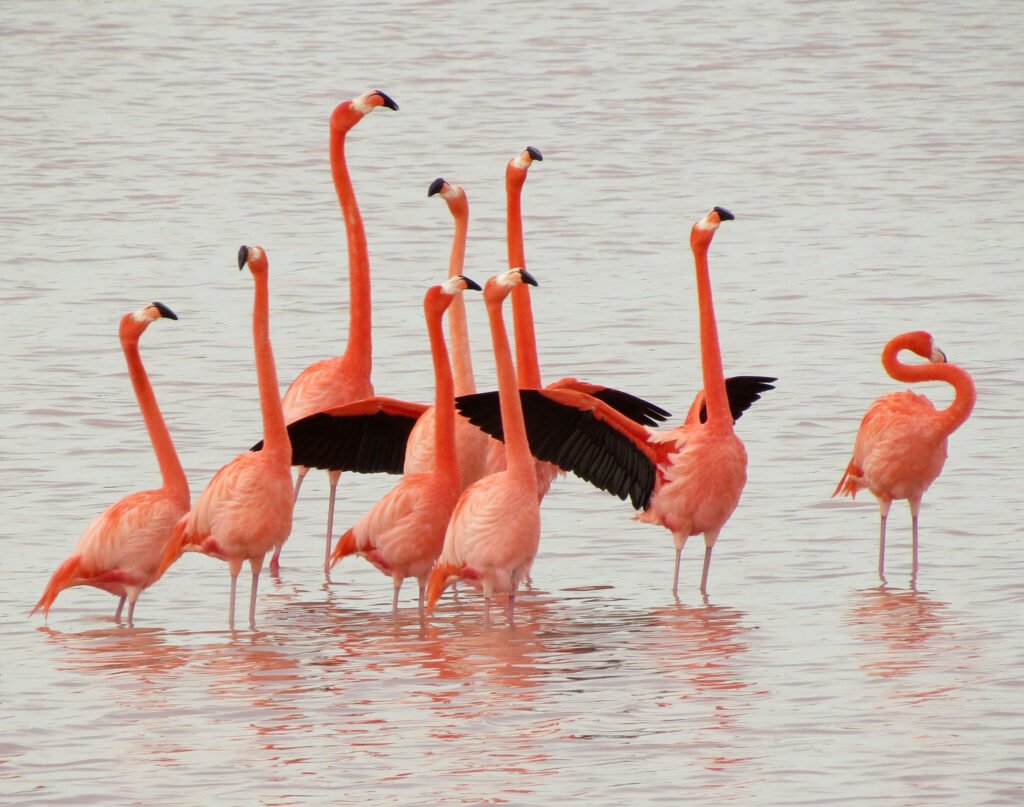
Hagerman’s documentary reportedly resulted from 700 days of filming across northern Yucatán, capturing intimate footage of flamingo courtship displays, synchronized group movements, and chick rearing. The script was written by Spanish micropoet Ajo (María José Martín), and the score was composed by Bryce Dessner, adding a reflective tone to the visual narrative.
Produced by Pimienta Films, the documentary recently received the award for best documentary of the year from the Chinese Academy of Documentary Film, bringing international attention to both the species and the region.
Beyond its natural beauty, the flamingo has become an ecological emblem of the Yucatán Peninsula and an important economic driver through birdwatching tourism. Communities in Celestún and Río Lagartos rely in part on regulated eco-tours that allow visitors to observe large flocks in their natural habitat. At the same time, conservation authorities continue to emphasize the need for responsible tourism practices, including maintaining distance from nesting colonies and protecting water quality.
The documentary’s title, Life After the Meteorite, underscores a broader narrative: the peninsula that once witnessed planetary catastrophe now shelters a species whose survival depends on delicate environmental balance. In that sense, the flamingo’s story is both ancient and contemporary — a reflection of resilience in a landscape still evolving.
The film opens in cinemas across Mexico on Thursday, March 26. It remains unclear whether it will later become available on streaming platforms such as Netflix.
Discover more from Riviera Maya News & Events
Subscribe to get the latest posts sent to your email.