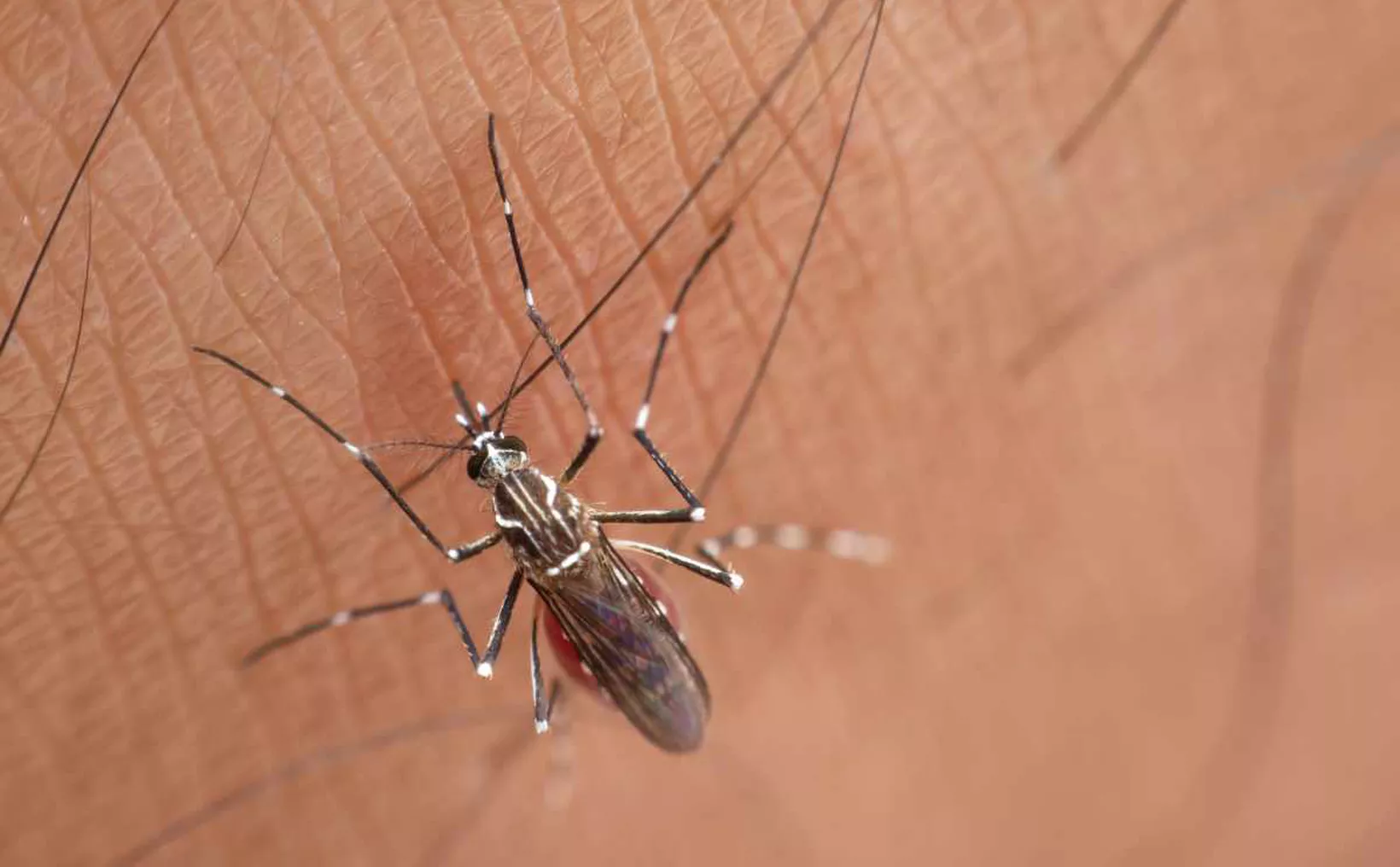
After seven years without a single confirmed case, the chikungunya virus has reappeared in Yucatán, reigniting health sector alerts about the risk of spread in one of the country’s most vulnerable regions due to its climatic conditions: the Yucatán Peninsula.
According to information from the federal Ministry of Health, during epidemiological week number 47, corresponding to November 16-22, two new cases were confirmed nationally, one of which corresponds to Yucatán and another to Quintana Roo. With this, the annual cumulative in the peninsular region now rises to four confirmed cases, three of them in Quintana Roo.
The most relevant data is that Yucatán remained without registering chikungunya cases for six consecutive years, from 2019 to 2024, making the recent infection an epidemiologically significant event.
The last confirmed case in the state had been reported in early November 2018, so the disease officially returns after seven years of absence. Although the total number of cases remains low, the fact that the outbreak is concentrated in the Yucatán Peninsula generates concern among specialists, since this region presents ideal conditions for the reproduction of the transmitting mosquito, such as high temperatures, constant humidity, and the presence of breeding sites in urban and rural areas.
Of the total confirmed cases so far in the Peninsula, it is reported that two correspond to men and two to women, including one female resident of Yucatán.
The first infected person officially reported in the state this year is a man, with no further clinical details disclosed so far. Chikungunya is transmitted primarily by three mosquito species: Aedes aegypti, Aedes albopictus, known as the “tiger mosquito,” and Aedes vittatus.
These same species are also responsible for transmitting other viral diseases such as dengue, Zika, yellow fever, and the Mayaro virus. Even in 2017, health authorities detected the presence of the Zika virus in the Culex quinquefasciatus mosquito, which reinforces the complexity of the epidemiological landscape in the southeast.
In light of this new confirmed case in Yucatán and the increase in infections in Quintana Roo, health authorities have begun to strengthen epidemiological surveillance actions, as well as mosquito prevention and control campaigns, calling on the population to eliminate breeding sites, cover containers that accumulate water, and keep yards clean.
Discover more from Riviera Maya News & Events
Subscribe to get the latest posts sent to your email.