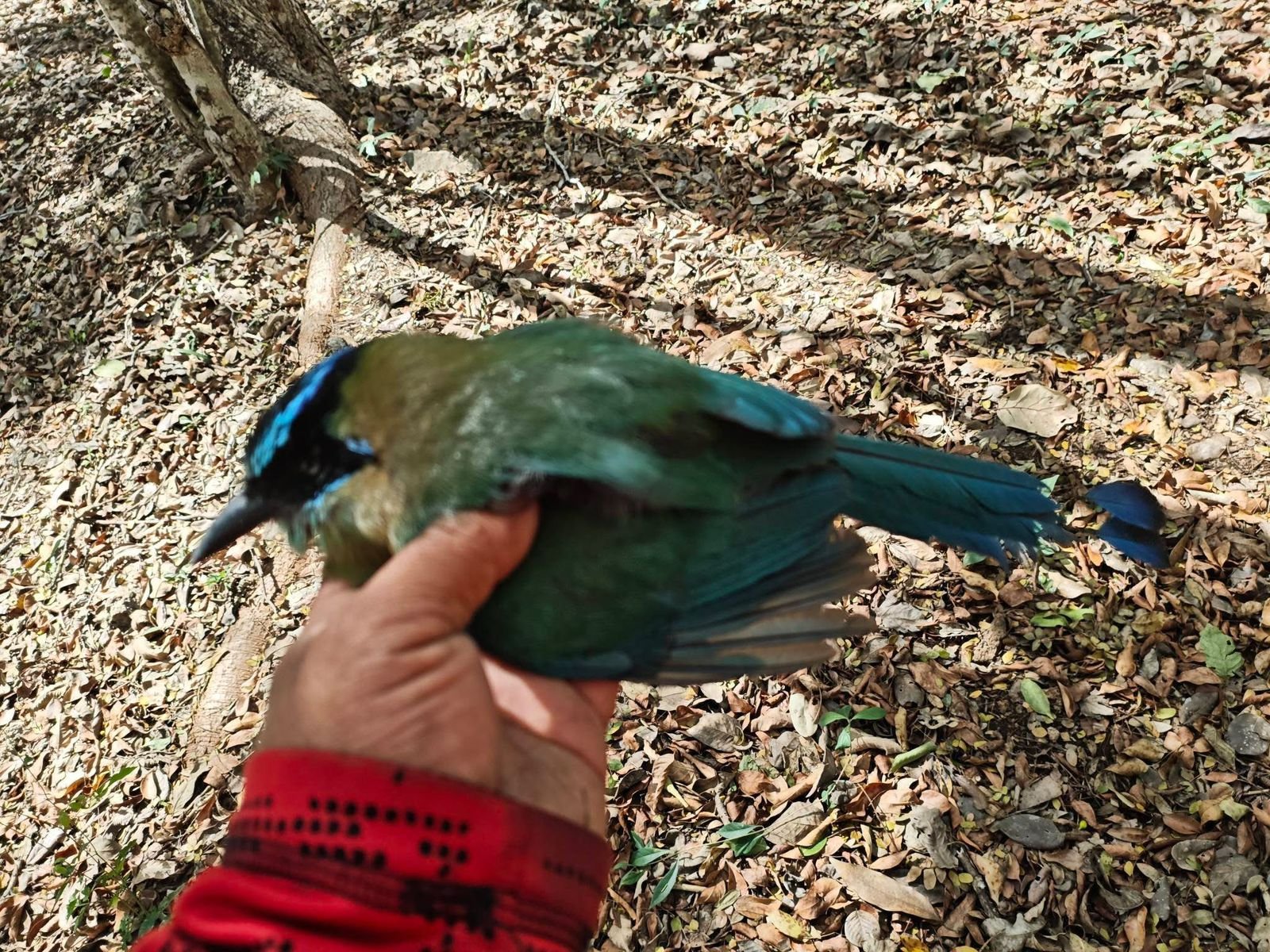
Tizimín, Yucatan, Mexico — Unusually low temperatures in eastern Yucatan this week have led to the deaths of native birds, with residents reporting finding deceased species like the Mexican grackle, Yucatan jay, and the emblematic Toh bird at the base of trees and in vegetation areas.
Social media reports from residents in Tizimín and Panabá alerted authorities to the phenomenon, which experts attribute to severe thermal stress caused by passing frontal systems, northerly wind events, and a recent winter storm.
Temperatures in some rural areas dropped to around 6 degrees Celsius, a rare occurrence for the Yucatan Peninsula, creating adverse conditions for wild bird survival.
Technical explanations indicate the issue is not solely due to cold but to thermal shock from sudden changes between residual heat, humidity, and intense winds. This combination causes hypothermia and accelerated energy depletion, as birds expend more energy to maintain body temperature while food availability decreases during such weather events.
Although birds have natural defense mechanisms like fluffing feathers, grouping together, or shivering to generate heat, prolonged exposure to frost, strong winds, and humidity depletes their fat reserves. When this happens, they can die in the same spot where they seek shelter, typically under tree canopies.
This scenario recalls recent episodes of wildlife impacts from extreme weather, such as the mass death of howler monkeys recorded in southeastern Mexico during the 2024 heat wave. Now, in contrast, winter is highlighting the vulnerability of local species to increasingly intense meteorological events.
Residents are asking environmental authorities to assess the magnitude of the impact and strengthen ecological monitoring in rural areas, while experts note such events could become more frequent due to climate variability.
Discover more from Riviera Maya News & Events
Subscribe to get the latest posts sent to your email.