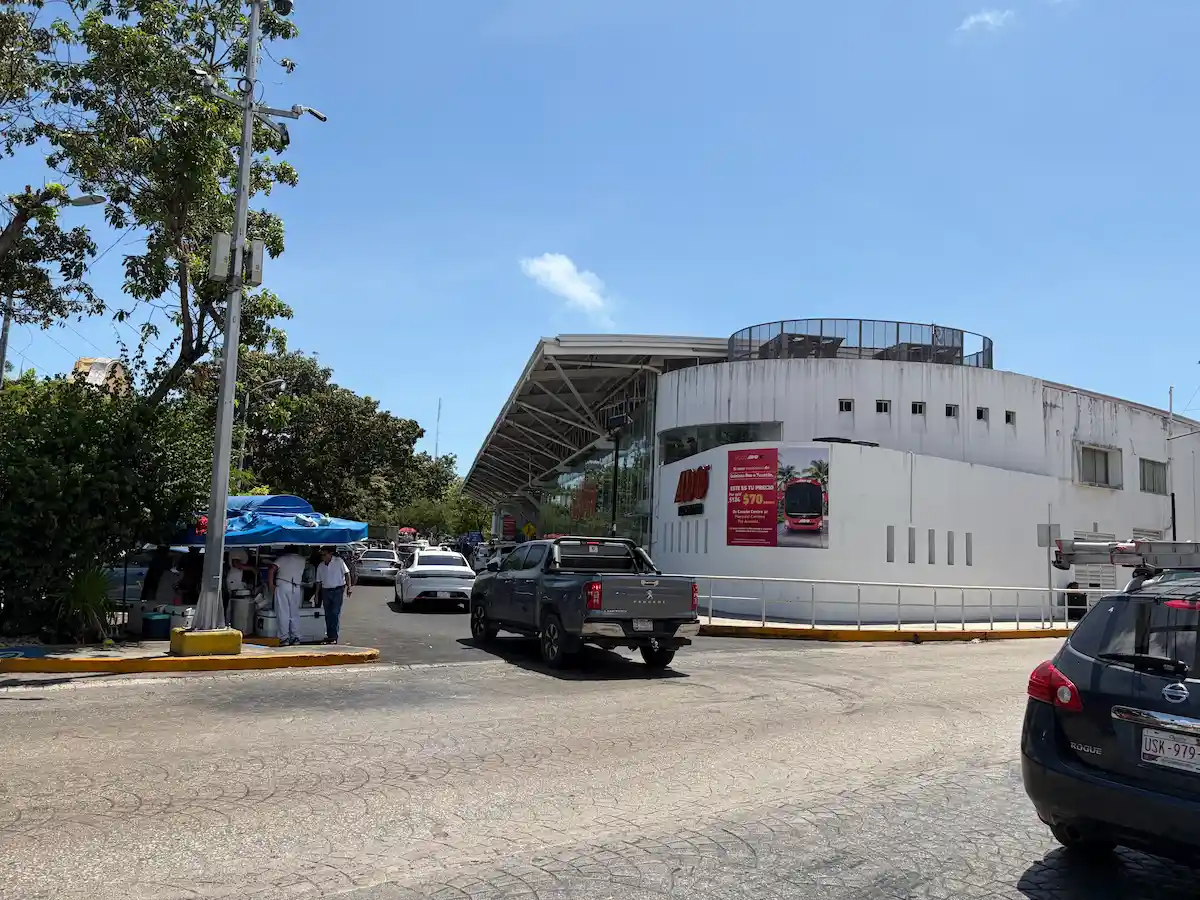
Cancún, Quintana Roo — Calle Pino, one of the main entry points to Cancún’s original downtown and located steps from the ADO bus terminal, is set to undergo a comprehensive transformation aimed at reshaping the corridor and improving conditions for pedestrians, business owners, residents, and visitors.
The project is part of the Distrito Cancún initiative to reclaim strategic spaces in the city and strengthen the urban image of high-traffic areas. The street is a priority because of the constant flow of tourists and residents who use it to reach the city center.
Carlos del Castillo, director of Distrito Cancún, said the first phase of recovery work has already been completed and addressed some of the area’s most pressing needs. That work included repaving the roadway, applying new road markings and signage, and making adjustments to improve mobility and accessibility. The effort also restored elements of the street’s urban image, with participation from municipal departments and nearby businesses.
The intervention, however, is not limited to what has been done so far. The executive project for a second phase is finished and proposes a more extensive renovation designed to make Calle Pino a more orderly, safe, and attractive space.
At the heart of the second phase is the creation of a pedestrian corridor. The plan also calls for removing overhead cables by burying utility lines, adding green spaces and more trees, installing new lighting, and building infrastructure for universal accessibility.
The project also seeks to organize street vending by placing kiosks that would concentrate commercial activity and improve coexistence among vendors, pedestrians, and drivers.
Del Castillo said the second phase could move forward in 2027, although the total investment required has not yet been determined.
The goal, he said, is to use Calle Pino’s strategic position to create a more dignified and functional gateway to Cancún’s original downtown. Since many visitors see the street immediately after arriving from the ADO terminal, the renovation is expected to have a direct impact on how the city is perceived and on daily mobility in the area.
With the project, the street would no longer be just a pass-through but a reclaimed urban space with a stronger pedestrian presence, more vegetation, better lighting, accessible infrastructure, and organized commerce.
More Development
- Yucatán Peninsula Lost 285,580 Hectares of Jungle in 4 Years
- Cancún Residents Call Protest Against Aguakan Over Unsafe Roadworks on Avenida Colegios
- Cancún Real Estate Fraud Suspect to Face Trial at Liberty After Judge Rejects Pretrial Detention
- Yucatan Drafts Rules for Artificial Lakes After Worker Dies of Amoeba Infection
- Technical Study Advances for Quintana Roo’s Grand Subterranean Rivers Reserve
More Cancun
- Tropical Wave 36 Floods Northern Quintana Roo, Hits Tourism
- Park Hyatt to Open in Riviera Maya on December 3 With 148 Rooms
- Woman Killed by Gunshot to the Head in Cancún
- Brazilian Tourist Detained at Cancún Airport With $35,000 in Undeclared Cash
- Quintana Roo Wins SEMARNAT Approval to Restore 33.5 Km of Beaches