
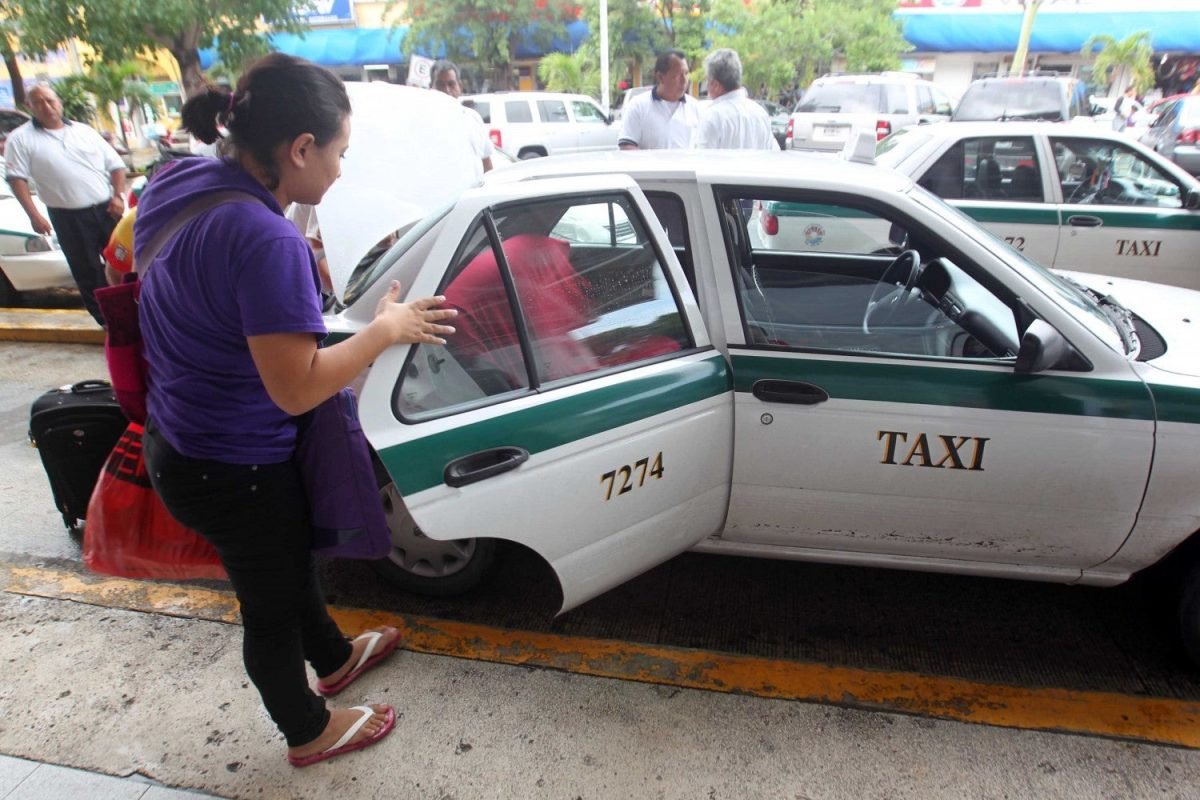
Cancún, Mexico — With the 2026 World Cup just months away, the “Andrés Quintana Roo” Taxi Union is attempting to improve its image by promising comprehensive training for its members. Union leader Rubén Carrillo announced that more than 8,000 taxis operating in Cancún will undergo a “professionalization” process to handle increased demand. However, many see this announcement as a belated reaction to international scrutiny rather than a genuine solution to longstanding complaints about local transportation quality and safety.
Carrillo admitted that the union’s flagship security project — installing surveillance cameras in taxis — faces significant delays in its first phase. While he insists the devices will be operational before the World Cup, the failure to meet current deadlines creates uncertainty. For users, promises of “safe service” ring hollow while monitoring tools remain an unfulfilled goal rather than a reality on the streets of this tourist destination.
The union’s plan focuses on technical training but ignores structural problems that have eroded visitor confidence, such as arbitrary fares and conflicts with other mobility platforms. Under the slogan that they “cannot improvise,” the union seeks to maintain control over passenger flow during the World Cup, an event that will place Cancún’s transportation under intense scrutiny from thousands of foreign tourists.
The urgency to present a friendly face to the world contrasts with the city’s daily reality, where mobility often collapses and the taxi union has faced criticism for resisting modernization. Carrillo emphasized that the sector must prepare for the demands of an international-scale event, yet the promised “professionalization” lacks public details about how authorities will actually evaluate the behavior and aptitude of thousands of involved drivers.
Ultimately, the effectiveness of this plan for 2026 will depend on whether the union can move from rhetoric to tangible results. Without functioning cameras and with training just beginning, the union risks arriving at the World Cup with the same deficiencies as always, potentially making transportation a weak point for Cancún’s global image.
More Business
- Yucatan Pitches 88 Private Projects Worth $151.8 Billion to Banamex Advisors
- Playa del Carmen Mayor Honors Mónica Tello as 2026 Businesswoman of the Year
- Tulum Dive Community Urged to Unite to Reclaim World Cave-Diving Capital Title
- BBVA México Places Up to 90 Billion Pesos in Sustainable Loans in Quintana Roo
- Quintana Roo Tourism Chief Warns of Flight Shortages Into 2027 as Hotel Occupancy Climbs
More Cancun
- Cancún Clears 112 Cubic Meters of Waste From Bonampak Mangrove
- Cancún Taxi Driver Loses License After Alleged Harassment of Schoolgirls
- Aeroméxico Stopover Program Lets Travelers Combine Cancún and Mexico City on One Ticket
- Aguakan Completes New Sewer Main on Huayacán Avenue, Benefiting Over 19,000 Cancún Residents
- Mexican Judge Orders Trial for Man Accused of Selling Vapes in Cancún
