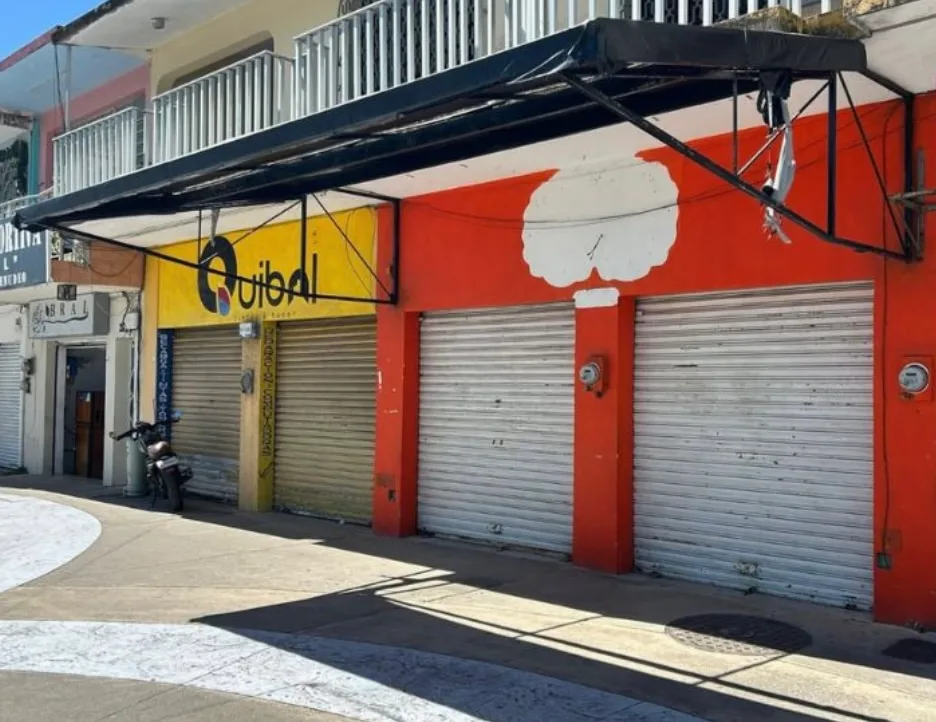
Chetumal — Since the beginning of 2016, southern Quintana Roo has experienced a precipitous economic decline. Business leaders attribute the downturn not only to rising prices for basic goods but also to the increase in the minimum wage and an excessive tax burden. These factors, combined with low sales and the conclusion of projects that temporarily injected resources—such as the construction of the Maya Train—are placing many business owners in a difficult position.
In recent weeks, the financial strain has manifested in the announced closures of other iconic establishments in the center of the state capital. These closures have caused concern and highlight the severity of the crisis facing many businesses.
Call for Collaborative Action
In response, the president of the Employers' Confederation of the Mexican Republic (Coparmex) in Chetumal, Josué Osmany Palomo, stated it is urgent to establish working groups with the state government and the city council. The goal is to analyze the possibility of implementing various support actions for the most affected sectors to help stop the closure of businesses.
“The situation is definitely very worrying, because we are seeing more business closures than openings, and that only confirms that the crisis we are experiencing is truly critical,” Palomo stated. “What we believe is that the business sector and authorities at all three levels of government must work together to try to find an effective strategy that can stop the decline in businesses. This could involve more economic stimulus or financing programs; right now, we need to see what can be done to prevent more closures.”
Ripple Effects on Employment
Palomo indicated that the consequences extend beyond the loss of commercial establishments. Each closure leads to staff layoffs, leaving workers without their main source of income and triggering a series of financial difficulties. Faced with an inability to meet their obligations, affected individuals resort to high-interest loans or sell personal items to cover pressing expenses, given the lack of job alternatives.
“Of course, this is a problem that isn't exclusive to business owners, because a closure also means the loss of jobs, which are the foundation and sustenance of economic development,” he explained. “Many workers are left without a fixed income, and this causes them even more problems, because they have to find a way to get by. While they look for another job, which isn't exactly plentiful, they take out loans with very high interest rates or have to sell their few belongings to get some money.”
A National Context
Palomo acknowledged that the scenario of high inflation coupled with economic stagnation has had a significant impact on small businesses and micro-enterprises nationwide. He emphasized that efforts must be combined to reach a solution as soon as possible.
Discover more from Riviera Maya News & Events
Subscribe to get the latest posts sent to your email.