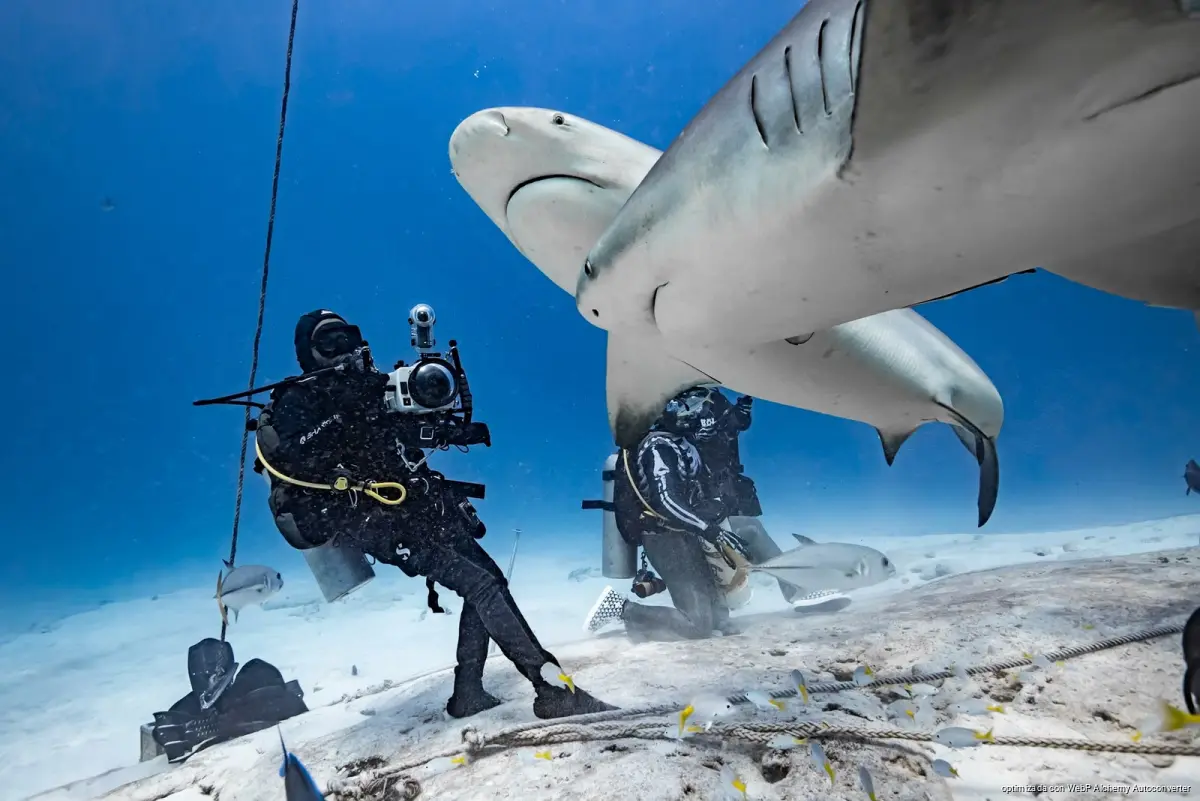
Playa del Carmen, Quintana Roo — One of Playa del Carmen’s most distinctive diving experiences has reached the carrying capacity set for it, according to José Juan Domínguez Calderón, director of the Mexican Caribbean Biosphere Reserve. The finding raises a question for a growing dive industry: how can it welcome more visitors without putting more pressure on the animals and the waters that draw them here?
Reaching capacity does not mean bull shark dives have been canceled or that the site has been closed. It means the activity has reached the level established through a technical assessment of what the area can accommodate. Domínguez Calderón has not announced a new ban or a revised number of permits.
The distinction matters to dive shops, guides and travelers. If demand keeps growing while the permitted level of activity remains the same, operators cannot assume they will be able to add more boats or trips at this site. Visitors hoping to make a bull shark dive may need to plan ahead and use an authorized operator. For the industry, future growth may depend less on bringing ever more divers to the same place and more on the quality of the experience and the range of other dives it offers.
A Small Area With Specific Rules
Bull shark diving takes place within a designated public-use zone of the Mexican Caribbean Biosphere Reserve. The reserve’s official management program identifies a bull shark zone of about 10.3 hectares and sets rules for the activity, including the use of specialized guides and daytime operating hours. It distinguishes between observation dives and dives that use authorized methods to attract sharks; those two activities cannot take place simultaneously.
The rules reflect both conservation and diver safety. Guides must have the appropriate qualifications and a contingency plan. Divers are instructed not to touch, injure or otherwise handle sharks. Attraction is allowed only when the guide has the required authorization. For someone booking a trip, these requirements are more meaningful than a promise of a close encounter: they are part of what allows the experience to continue.
A carrying-capacity study considers the conditions of a particular place, including its ecology and how the activity is managed. It is not a permanent judgment that no more tourism can ever take place in Playa del Carmen. Nor is it a guarantee that the current level of use will remain appropriate indefinitely. Conditions and management can change, which is why fresh assessments matter.
Growth Has Limits Elsewhere, Too
Domínguez Calderón said the established capacity has also been reached in the whale shark area and at Akumal’s turtle-swimming site. Those are separate activities with their own settings and rules, but they face a similar challenge: the wildlife encounter that supports local businesses can suffer if too many people and boats concentrate in one place.
CONANP is now studying carrying capacity on Tulum’s beaches. Such evaluations can inform decisions about visitor numbers, vessels and authorized activities. In Mahahual, Domínguez Calderón said the limit in the current study has not been reached, but the port’s physical ability to receive boats is practically maxed out. He called for another review of conditions there. In other words, available space on paper may not reflect what a dock or shoreline can comfortably handle.
The director said local communities contribute to these studies because conservation decisions also affect the people who earn a living from tourism. A limit can constrain expansion for an individual operator, yet protecting a healthy, well-managed site helps preserve the attraction on which guides, boat crews and other local businesses depend.
For travelers, the finding is a reason to choose carefully, not to avoid the experience. Ask whether a dive operator is authorized for the activity, what its guide qualifications are and how it follows the reserve’s rules. Playa del Carmen can continue to offer bull shark dives; the question now is how to sustain their appeal without asking this one site to carry unlimited growth.
More Tourism
- More Than 480,000 Quintana Roo Students Get Long Weekend for Revolution Day
- Sargassum Eases on Northern Quintana Roo Beaches, but Southern Stretches Still Overwhelmed
- Quintana Roo Officials Review Security at Tulum’s Parque del Jaguar Ahead of High Season
- Secrets Marina Seeks Semarnat Approval for 7,933-Square-Meter Beach Club in Puerto Morelos
- Playa del Carmen Leads Quintana Roo Hotel Occupancy at 68.7%
More Playa del Carmen
- Canadian Tourist Says Playa del Carmen Police Beat Him and Held Him 30 Hours Until He Paid $500
- Playa del Carmen to Get 14,000 Wellbeing Homes
- Four Armed Men Arrested After Attempting to Intercept Off-Duty Police Officer in Playa del Carmen
- Heavy Rain Floods Streets and Catches Pedestrians Off Guard in Playa del Carmen
- Playa del Carmen Marks 124th Anniversary by Honoring Its Founding Families