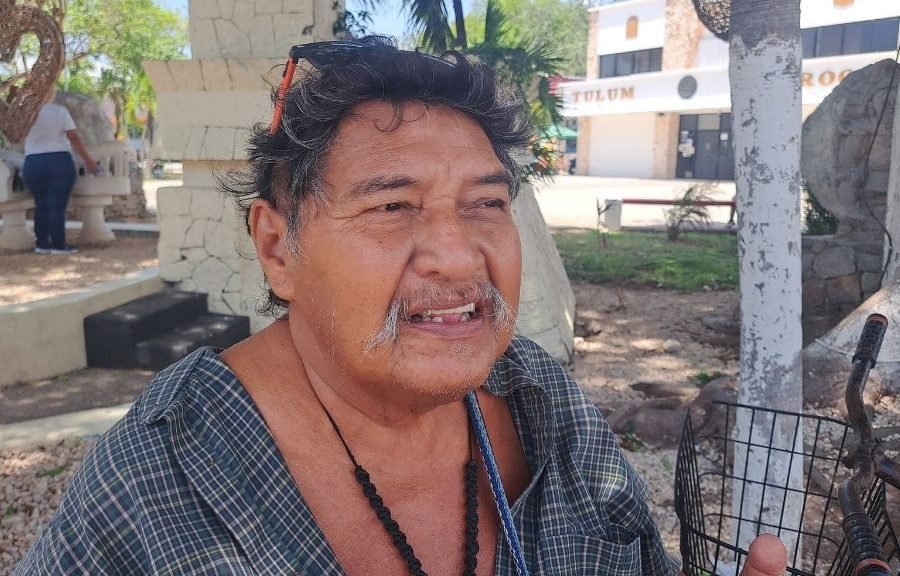
Tulum, Quintana Roo — The centuries-old tradition of crafting jewelry from black coral is hanging by a thread in Tulum, kept alive by a single artisan who navigates strict regulations and a shrinking market to preserve a piece of the region’s cultural heritage.
Artisan Lázaro, who declined to give his full name, said he is likely the only person in the municipality still working with black coral. The craft now survives almost exclusively on custom orders from clients who understand the material’s rarity and value.
Black coral cannot be harvested freely. Artisans must travel to Cozumel to complete paperwork and obtain official permits and guides to legally acquire the raw material. Lázaro emphasized that following these procedures is essential to protect the resource and keep production within the law.
Years ago, black coral was widely used in the region, but tighter restrictions on harvesting and a decline in the number of craftsmen have drastically reduced the practice. Lázaro said he continues working with the material to preserve a tradition that is part of Tulum’s history and identity.
The market has also shifted. A wide variety of semiprecious stones and minerals — including quartz, amethyst, jade, turquoise, amber, and pearls — now dominate the artisan sector, drawing both craftsmen and buyers away from black coral.
Today, black coral pieces are made only on request. A single necklace can cost between 4,000 and 5,000 Mexican pesos (roughly $200 to $250), depending on size and coral quality. Most buyers are Mexicans seeking a piece made with a technique that has become increasingly scarce in Tulum.
More Culture
- Mérida Jazz Festival 2026: 40 Artists, Free Shows, Tourism Boost
- FPMC Opens Txepo’s Art + Architecture Dreamscape in Cozumel
- Otoño Cultural 2026: Free Concerts, Butoh Dance and Electronic Music in Mérida
- Yucatán Congress Committees Advance Guayabera and Temozón Smoked Meat as Cultural Heritage
- Maya Women in Quintana Roo Turn Ancestral Knowledge Into Thriving Cooperative
More Tulum
- Tulum-Miami Flights to End as American Airlines Adjusts Routes
- Uber Opens Driver Registration in Playa del Carmen and Tulum for Taxi and Motorcycle Services
- Playa del Carmen Officials and Transport Firms Meet After Fatal Tulum Crash
- Gastrointestinal Illnesses Rise in Tulum’s Irregular Settlements
- Captain Sun’s Tulum Penthouse: Cash Trail Under Scrutiny