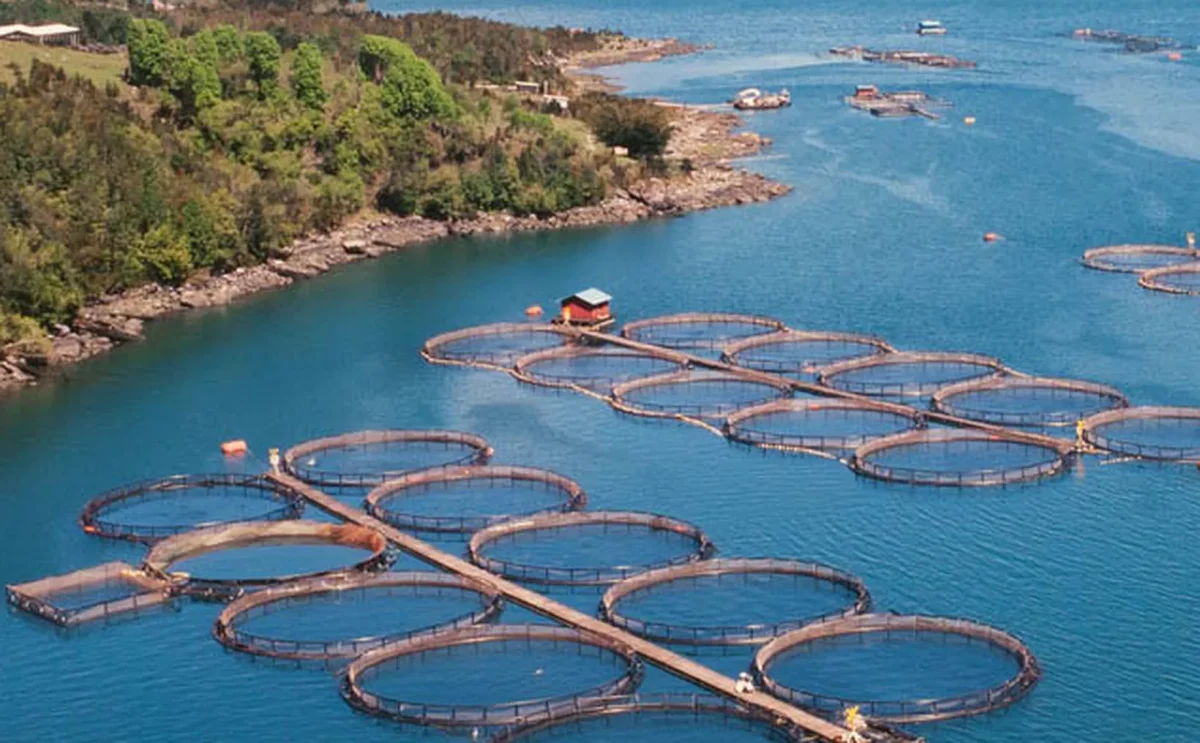
Puerto Morelos, Quintana Roo — While aquaculture consolidates globally as a key alternative to ensure protein supply, in Quintana Roo this productive activity is going through a critical stage. Far from expanding, the sector shows clear signs of contraction, with a significant reduction in its operational and commercial capacity.
According to data from the productive sector itself, less than half of the aquaculture farms that once operated formally in the state maintain commercial production today. The rest have been limited to self-consumption, reflecting an adverse environment marked by changing climatic conditions, high operating costs, and an economic structure unfavorable for sustaining the activity.
The crisis has also impacted human capital. The lack of competitive conditions has caused specialized personnel to leave for other larger-scale activities, reducing productive diversity. Currently, tilapia remains practically the only consistently cultivated species, in a market that, paradoxically, cannot be supplied by local production.
The contrast is evident: the weekly consumption of fresh tilapia in the region is estimated between 15 and 20 tons, a demand that far exceeds the installed capacity in the state. This gap forces dependence on external product, while the natural and technical potential of the area is wasted. Nationally, the import of tilapia fillets represents an annual expenditure close to one billion dollars, a figure that shows the size of the market that is currently escaping.
Companies that previously operated at full capacity currently report production levels that do not exceed 40% of what they achieved in previous years. From producing hundreds of tons per year, they have moved to considerably smaller volumes, affecting not only profitability but also job creation and local development.
The stagnation of aquaculture in Quintana Roo has not only economic but also social and environmental implications. In a region with a natural vocation for food production, the loss of this activity represents a wasted opportunity to strengthen food sovereignty, reduce pressure on extractive fishing, and build more sustainable productive models.
Without a profound rethinking that allows aquaculture to become a viable and competitive activity, the state risks falling behind foreign producers, while its potential as a protein provider in the Caribbean continues to fade.
Discover more from Riviera Maya News & Events
Subscribe to get the latest posts sent to your email.