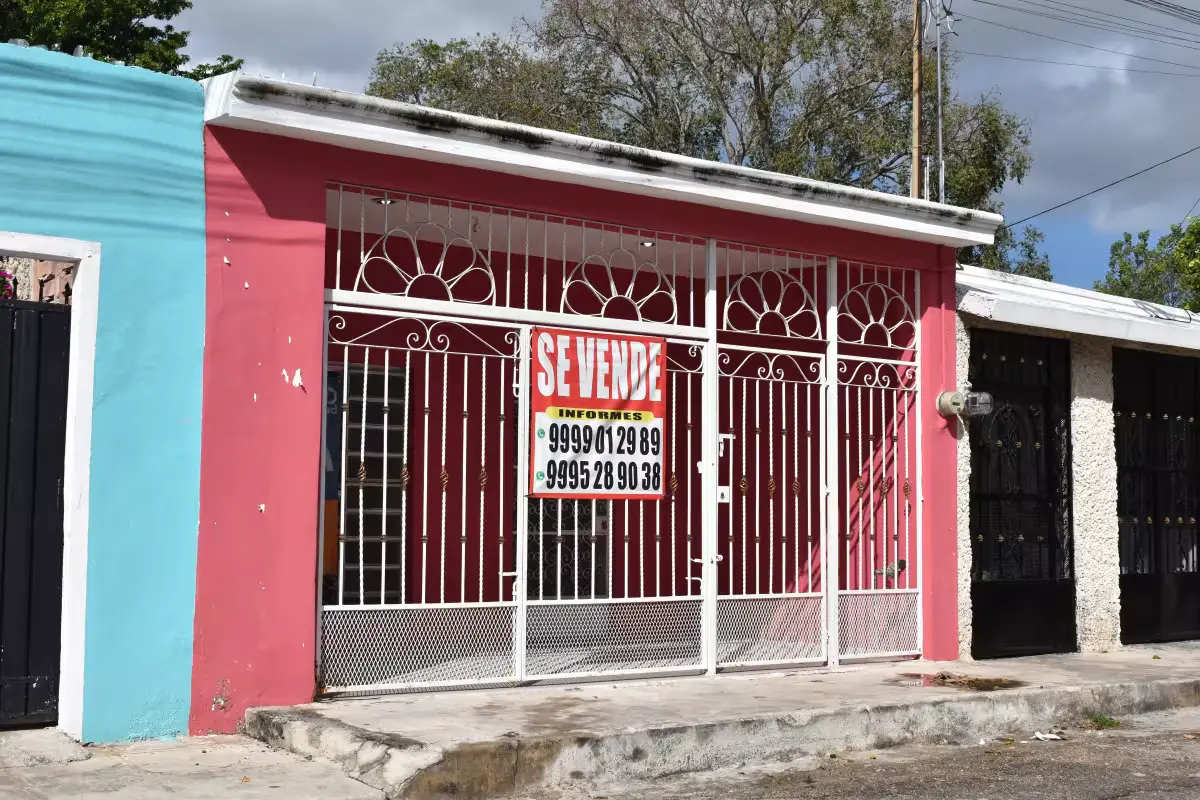
Mérida, Yucatán — Yucatán has implemented the strictest real estate regulations in its history, requiring all property agents to obtain official licenses and linking transactions to notarial records to combat informal practices and money laundering.
The new State Registry of Real Estate Advisors Law, combined with federal anti-money laundering reforms, creates a framework where only certified professionals can legally conduct real estate transactions. The Instituto de Seguridad Jurídica Patrimonial de Yucatán (Insejupy) now issues licenses after agents complete 10 to 50 hours of training through the Conocer program.
The law establishes three categories: Certified Real Estate Advisor, Certified Real Estate Agency, and Allied Real Estate Advisor. Agents must register in notarial documents for each transaction, provide invoices with fee details, and include their banking information, creating a traceable paper trail for every deal.
Low Certification Rates Despite Requirements
Despite the new requirements, only 400 of the estimated 5,000 people working in real estate intermediation in Yucatán have enrolled in certification courses. The remaining 4,600 continue operating without licenses, highlighting the gap between regulation and implementation.
Certification requires time, paperwork, and financial investment. Agents must register contracts with the Federal Consumer Protection Agency (Profeco) and invest in technology for document scanning and secure storage, creating barriers for informal operators accustomed to minimal overhead.
Federal Anti-Money Laundering Backing
The state law gains strength from federal reforms to Mexico’s anti-money laundering legislation, known as the Piorpi Law. Since February 2026, real estate transactions exceeding approximately 940,000 pesos (8,025 UMAs) automatically trigger regulatory scrutiny.
The reforms also require reporting suspicious transactions within 24 hours, even if deals aren’t finalized, and extend document retention periods to 10 years. These changes affect common market practices including presales, project investments, trusts, and financing structures.
Context and Implementation Timeline
Yucatán’s real estate boom, which transformed Mérida into one of Mexico’s most sought-after investment destinations, has attracted capital flows of uncertain origin. The regulations respond to international pressure to close gaps in traditionally vulnerable sectors and federal government efforts to combat illicit funds.
Unlike simpler real estate laws in other Mexican states, Yucatán’s framework places greater responsibility on agents rather than just notaries. The federal Finance Ministry has until July 2026 to publish general rules and begin stricter oversight of real estate operations.
Impact on Buyers and Investors
For buyers and renters, the changes promise greater legal certainty with transactions backed by trained, certified advisors and reduced fraud risks. For the industry, informal brokers operating without invoices, registration, or explicit legal responsibility no longer have formal standing under the new system.
Discover more from Riviera Maya News & Events
Subscribe to get the latest posts sent to your email.