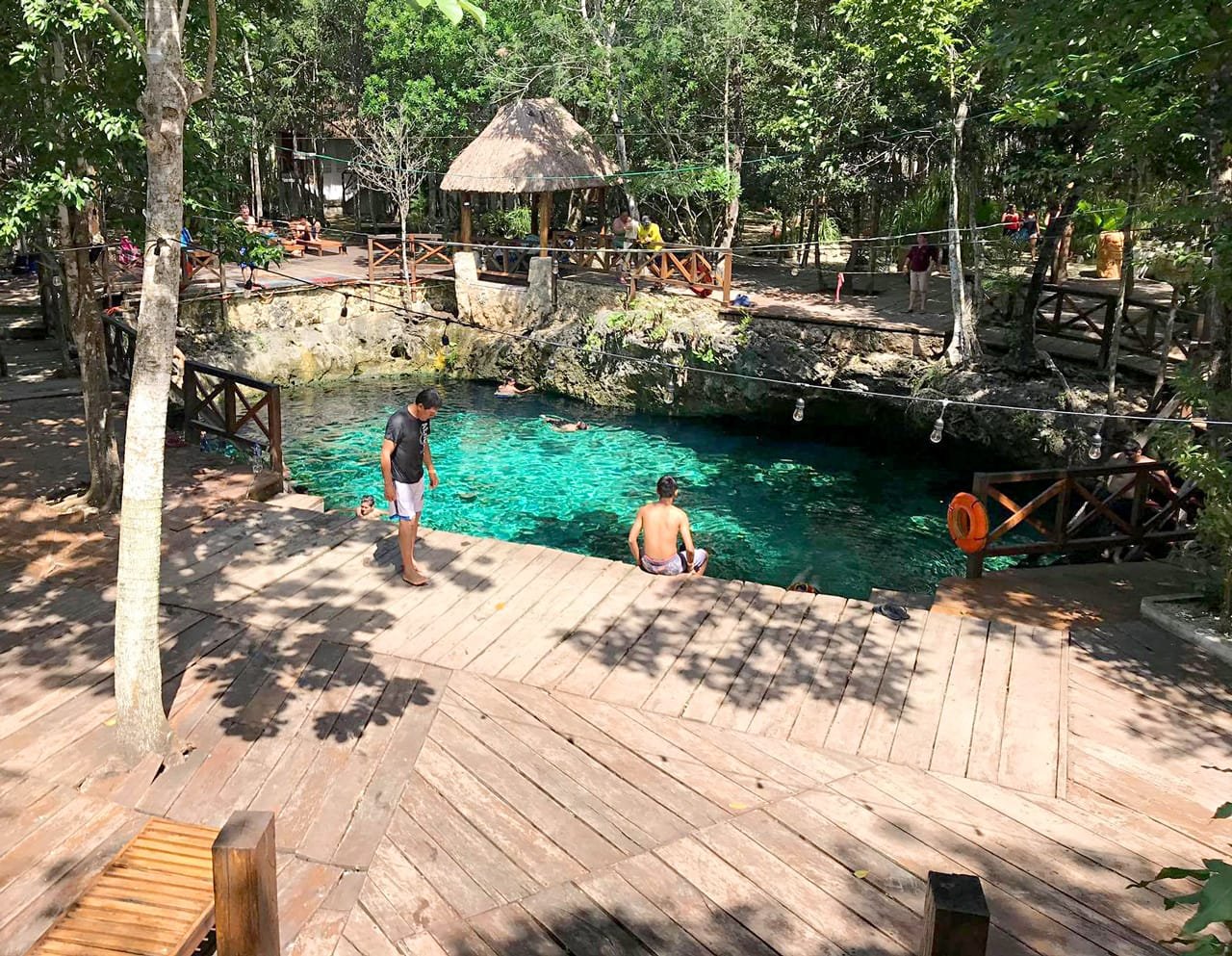
Tulum, Quintana Roo — Cenotes in the Tulum municipality report a gradual recovery in tourist numbers after weeks of low occupancy, with current rates reaching between 60% and 80%, according to service providers.
José Manuel Ordóñez León, a cenote tour sales promoter in the region, said the start of the year saw variable patterns, with some days of high demand and others with reduced attendance. He noted that about two weeks ago, some sites operated at just 30% capacity.
“We did have a low, very unstable season; there were days when attendance was minimal, but in recent weeks we’ve seen a recovery,” he explained. He indicated that so far this year, percentages have fluctuated between 50%, 60%, and up to 80%, depending on the day and overall tourist flow to the destination.
Currently, he said, average occupancy sits between 60% and 70%, with some days reaching 80%. The sector expects this trend to continue during March and April, considered favorable periods for tourism activity in the Mexican Caribbean.
The promoter attributed the variations to seasonal factors and general tourist market behavior, noting that cenotes depend heavily on the arrival of national and international visitors.
Regarding environmental protection measures, Ordóñez León highlighted that most cenotes maintain strict protocols to preserve water quality, as they are part of an interconnected underground river system.
Before entering the water, visitors must shower to remove any substances that could contaminate the ecosystem. Additionally, the use of sunscreen, repellent, or chemical products that could affect the cenote’s natural balance is prohibited.
“We try to keep the water as clean as possible. We know any contaminant can impact not just one cenote, but the entire underground system,” he emphasized.
Beyond traditional tourism, the sector has observed growing interest from audiovisual productions. Some Tulum cenotes have recently served as filming locations, increasing their exposure nationally and internationally.
Ordóñez León considered that such projects could represent an additional opportunity for the destination, provided compliance with environmental and operational regulations is maintained.
In the area where he works, closed cavern-type cenotes predominate—underground spaces that allow visitors to swim in natural environments surrounded by rock formations and geological structures characteristic of the region.
Service providers agree that the gradual recovery is a positive sign for the sector and trust that the coming months will consolidate stability in attendance, under schemes that prioritize the conservation of these ecosystems, considered one of Tulum’s main natural attractions.
Discover more from Riviera Maya News & Events
Subscribe to get the latest posts sent to your email.