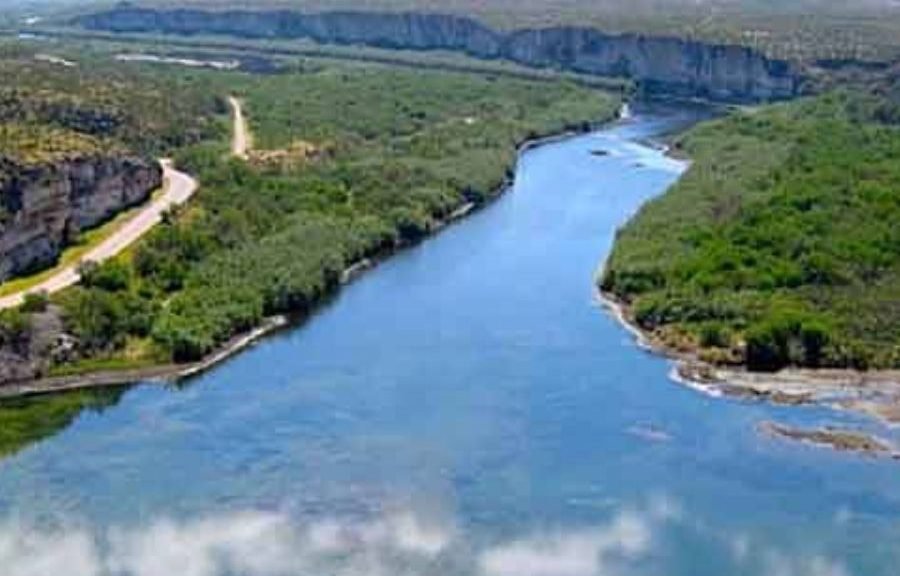
Mexico City, Mexico — Mexico and the United States have formalized a historic water-sharing agreement for the management of the Rio Grande, marking a milestone in bilateral cooperation amid a severe border drought affecting millions.
U.S. Ambassador Ronald Johnson announced the agreement on February 3, calling it a response to a longstanding bilateral challenge over water resources. Johnson said the pact has the backing of U.S. President Donald Trump and Mexican President Claudia Sheinbaum.
The agreement strengthens the implementation of the 1944 Water Treaty between the two nations. It establishes that Mexico will deliver at least 431.7 million cubic meters of water annually to the United States over five years, with deliveries adjusted based on the Rio Grande’s hydrological conditions. The deal also includes a plan to address accumulated water debts from previous periods.
Ambassador Johnson emphasized that equitable allocation of natural resources has been a priority of his tenure. He noted that the agreement resulted from years of technical and diplomatic negotiations, featuring monthly monitoring and permanent technical oversight.
President Sheinbaum highlighted federal coordination from the Mexican presidency, with participation from the states of Chihuahua, Coahuila, Tamaulipas, Nuevo León, and Sonora—regions that depend on the Rio Grande for human consumption and agricultural activities. She stressed that the agreement does not jeopardize Mexico’s domestic water supply.
Officials from both countries underscored the importance of monthly coordination and long-term planning. The strategy includes water infrastructure projects and climate change adaptation measures.
U.S. Secretary of State Marco Rubio pointed to benefits for farmers and ranchers in southern Texas. U.S. Secretary of Agriculture Brooke L. Rollins echoed the positive impacts, while Mexican authorities said the pact protects national agricultural stability.
The water crisis in the Rio Grande basin has worsened due to prolonged drought, agricultural overexploitation, and population growth. In some areas, the river’s flow has dropped to less than 30 centimeters. Water pollution from wastewater continues to degrade the river’s ecosystem, and environmental degradation has made the zone hazardous for migrant crossings.
Previous tensions over unmet water obligations affected agricultural and livestock sectors. The new agreement aims to mitigate impacts through rigorous planning and responsible management of shared water resources.
Discover more from Riviera Maya News & Events
Subscribe to get the latest posts sent to your email.