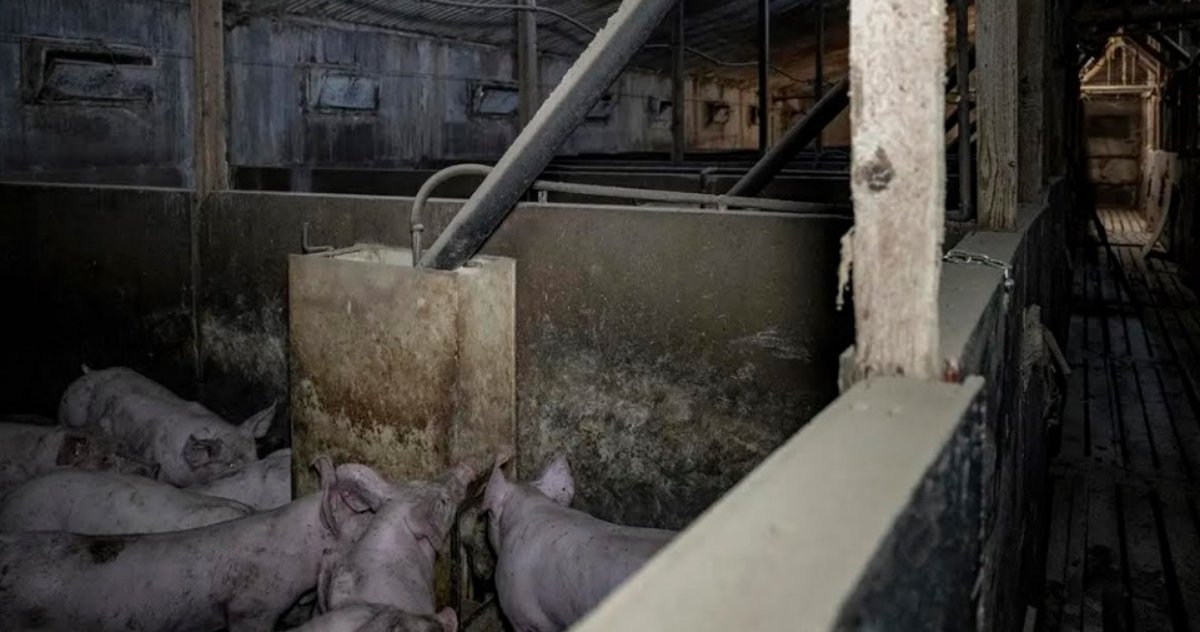
The pork arriving on Mexican tables from the United Kingdom may bring more than just protein: antibiotic-resistant bacteria, also known as superbugs, capable of causing infections for which there are no longer effective treatments.
Farms and Antibiotics
A recent investigation has raised alarms. Through a Freedom of Information request to the government of Northern Ireland, it was revealed that 51 percent of analyzed pork samples from British farms operated by the companies Cranswick and Karro Foods tested positive for multidrug-resistant bacteria. Both companies have permission to export to Mexico, having received backing from British authorities, who assured that their sanitary standards complied with regulations to protect the health of the Mexican population. But the evidence shows the opposite.
Among the antibiotics detected in these farms are penicillins, fluoroquinolones, aminoglycosides, macrolides, lincosamides, and pleuromutilins; several of these substances are classified by the World Health Organization as of "Highest Priority Critically Important for Human Health." In other words, these are medications upon which millions of people depend for fighting serious infections.
Antimicrobial resistance is one of the greatest public health threats of the 21st century. Infectious disease specialist Dr. Amy Peralta warns that "each year, 700,000 people die worldwide from infections caused by resistant bacteria, and one-third of those deaths occur in newborns. By 2050, antimicrobial resistance will be the leading cause of human death."
Despite official reports of a reduction in antibiotic use, the British pig industry remains highly dependent on them: it uses twice as much as the industry for turkeys, seven times more than for cows, and ten times more than for chickens.
Undercover investigators documented decomposing carcasses of pigs and piglets in aisles, injured or dying animals, female pigs confined without the possibility of movement, accumulated filth, mistreatment, and the routine use of antibiotics as a preventive measure against unsanitary conditions.
An Invisible Threat
From a perspective focused on animal justice and welfare, it remains surprising how these realities are hidden from public view. This is not discussed, it is not shown. The majority of consumers in Mexico do not know that what they buy in the supermarket comes from farms where animals live among their own waste and where the indiscriminate use of antibiotics puts the health of thousands of families at risk.
There is a huge gap between the clean and "safe" image that is sold and what really happens behind the walls of industrial livestock farming. What is at stake is not only human health, but a system that normalizes animal suffering and health risks in order to keep costs low and exports high.
And the most alarming fact is that Mexico agreed to open its borders to this meat under a trade agreement signed in August 2025, without demanding transparency about its origin or public controls to guarantee its safety.
A demand is now being made to the Mexican government to reveal at which points in the country the imported meat from Cranswick and Karro Foods is being distributed, and to immediately suspend the import of pork from the United Kingdom until adequate standards of sanitation and animal welfare are guaranteed.
Because behind every package of cheap meat, an invisible threat may be hiding—a bacterium that can no longer be stopped. The ultimate price is paid by everyone: in hospitals, in bodies that no longer respond to antibiotics, in lives lost to infections that were once curable. Public health cannot be negotiated in a trade treaty.
A petition is being promoted by the organization Generación Vegana to demand transparency and protection for Mexican families.
Discover more from Riviera Maya News & Events
Subscribe to get the latest posts sent to your email.