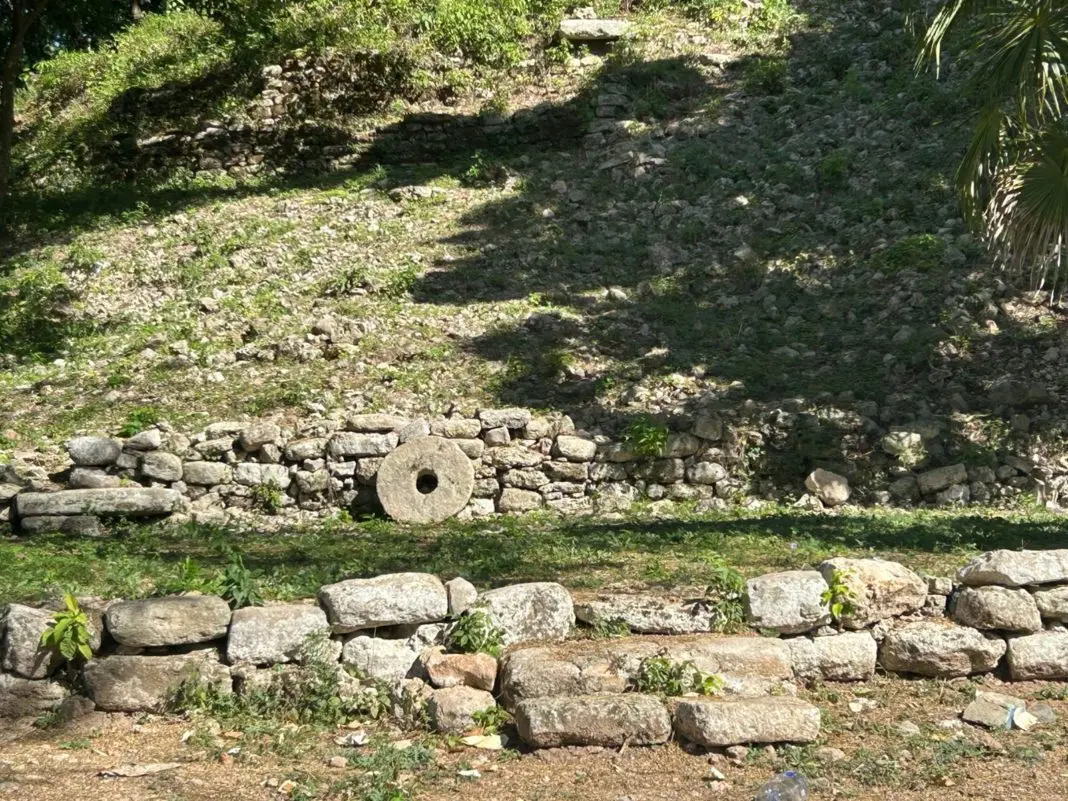
Kantunilkín, Quintana Roo – Kantunich, a hill located in Kantunilkín, Quintana Roo, concentrates historical vestiges, Maya spiritual practices, and a living tradition that recognizes the figure of the Ixmén, guardian of ancestral knowledge, according to Germán Pool Che, a native of Kantunilkín and descendant of the Poles lineage.
In the Yucatán Peninsula, within the state of Quintana Roo, lies Kantunich, a name that means yellow stone or golden stone of the sun. The site is considered sacred by Maya communities, as the remains of ancient rulers rest there and practices linked to the Maya worldview are preserved.
Pool Che explains that Kantunich is not only an archaeological space but a point of spiritual connection. According to oral tradition, sacred elements were found in this place that allow certain people to receive gifts, such as the ability to heal, perceive the invisible, and communicate with deities.
Pool Che clarifies that in the Yucatán Peninsula, shamanism is not practiced, a term often incorrectly associated with Maya spirituality. Instead, there is the figure of the Ixmén, specific to this culture, designated by deities to safeguard sacred knowledge.
Kantunich and the Figure of the Ixmén in Maya Tradition
The Ixmén does not arise from personal decision or formal teaching. “They are chosen by the deities,” notes Pool Che. The initiation begins when the person receives a sacred crystal known as sastún, an object that symbolizes the spiritual call. From that moment, they face tests related to their character, discipline, and community commitment, according to Pool Che.
To be recognized as Ixmén, self-proclamation is not enough. The person must have the respect of the community for their conduct, values, and customs, in addition to assuming a permanent responsibility, since rejecting the call does not avoid its consequences, according to tradition.
Historically, the Ixmén served as advisors to Maya rulers. Their knowledge guided agricultural cycles, disease treatment, and collective decision-making. The term Ixmén means, literally, “the one who has the knowledge,” explained Pool Che.
Kantunich as Center of Maya Worldview and Medicine
Within the Maya worldview, there are different levels of knowledge: herbalists, knowers of medicinal plants; sorcerers, linked to specific spiritual practices; and magicians, specialized in perception techniques. The Ixmén integrates these knowledges to perform physical and spiritual healings, the basis of traditional Maya medicine.
Traditional Maya medicine relies on plants that grow in the region and have been used for generations. “Nothing grows in the forest by chance,” affirms Pool Che, noting that each species has a defined medicinal use.
Maya culture maintains an active ceremonial calendar. It includes weddings, baptisms, child initiation rituals, and the Jet’s Meek, a ceremony of gratitude to the earth, the milpa, the harvest, and the deities. These rituals were documented by colonial chroniclers such as Fray Diego de Landa.
Currently, Kantunich continues as a sacred space that preserves the historical and spiritual memory of the Maya people, through practices that remain alive in the communities of the region, mentioned Pool Che.
Discover more from Riviera Maya News & Events
Subscribe to get the latest posts sent to your email.