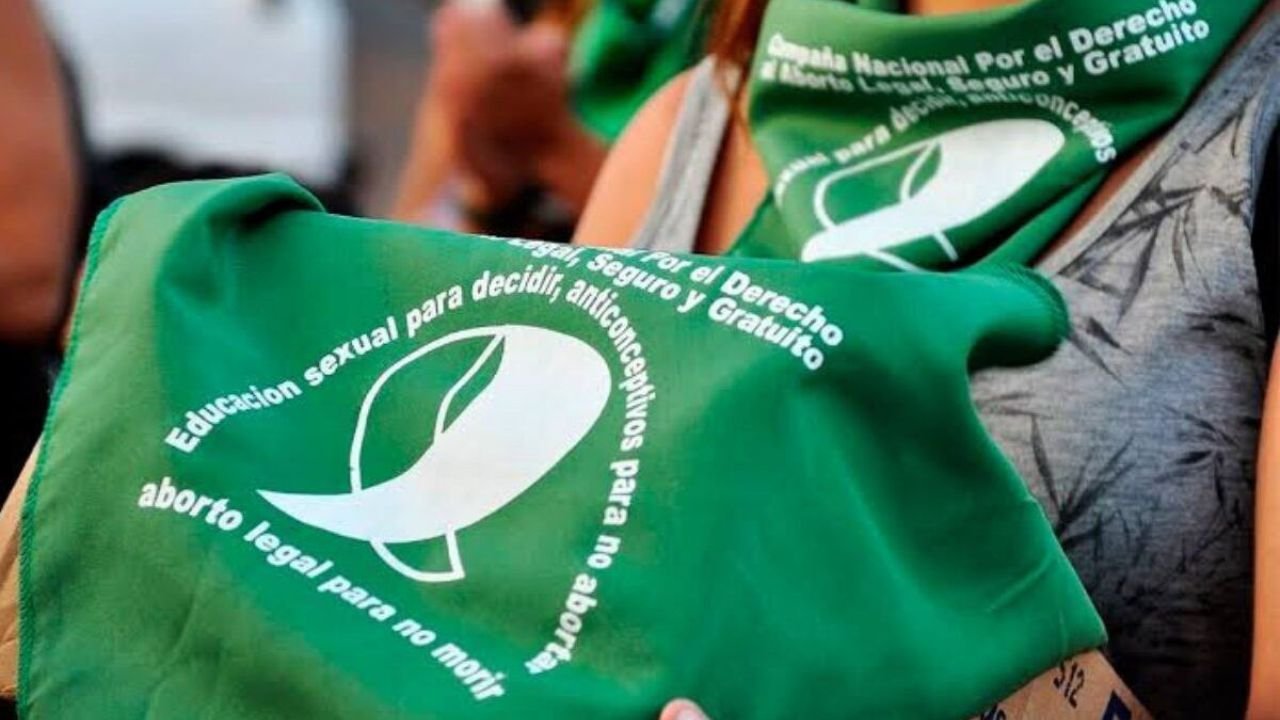
Chetumal, Quintana Roo — Nearly four years after the decriminalization of abortion in Quintana Roo, access to legal termination of pregnancy remains severely limited by a lack of public information and insufficient funding, local officials and advocacy groups say.
Erika Cornelio Ramos, a councilor in Othón P. Blanco municipality, criticized the absence of mass awareness campaigns about the legal medical service. She said most women in the state do not know the legal deadlines, authorized health units, or how to access free care.
According to estimates from local civil organizations, only two out of ten women in the state are fully aware of the current legislation on legal abortion, leaving 80% of the female population in a state of legal and medical uncertainty.
Budget Shortfalls at the Health Secretariat
Cornelio Ramos accused the Quintana Roo Health Secretariat (Sesa) of failing to meet its legal obligation to guarantee the service with adequate coverage. She said the budget allocated for infrastructure, medical supplies, and trained personnel is insufficient to meet actual demand.
“We lack outreach on a right that is necessary for all women, and we also lack budget. If abortion has been decriminalized by the state congress, then the relevant authorities must increase funding to guarantee this service in authorized medical centers,” she argued.
Feminist accompaniment groups and local support networks also reported that national and international funding for direct case follow-up has ceased, limiting their work to citizen guidance and hospital referrals.
Urban-Rural Inequality in Safe Abortion Clinics
The infrastructure shortage widens the inequality gap for women in rural areas. Civil groups receive an average of 30 monthly counseling requests from municipalities such as Felipe Carrillo Puerto, José María Morelos, Playa del Carmen, and Othón P. Blanco.
Specialized medical care for legal abortion is concentrated in just three general hospitals: the Dr. Jesús Kumate Rodríguez General Hospital and the IMSS Regional General Hospital No. 17 in the north, and the Morelos Maternal and Child Hospital in Chetumal for the southern zone.
“A woman living in a remote community along the Río Hondo must travel several hours to reach a hospital where she can exercise this right. This lack of decentralization and transportation places them in a condition of extreme social vulnerability,” Cornelio Ramos warned.
Risk of Clandestine Procedures Among Minors
The lack of a permanent information program from the health sector directly increases health risks in Quintana Roo, advocates said. The information vacuum forces women to resort to clandestine clinics or high-risk methods without proper medical supervision.
The councilor warned that adolescents and young women aged 14 to 16 are the most vulnerable population group, facing greater stigma and less economic capacity for emergency inter-municipal travel.
According to the Safe Abortion Observatory, of the 71,989 abortion procedures recorded in state health secretariats and IMSS-Bienestar clinics nationwide in 2024, 1,364 were in Quintana Roo. However, the state has only eight units with Safe Abortion Services (SAS) infrastructure: three under IMSS-Bienestar and five under ISSSTE.
More Lifestyle
- Cancún Opens Registration for Janal Pixan 2026 Catrina and Altar Contests
- Brain-Eating Amoeba Found in Six Artificial Lakes in Mérida; Water Contact Restricted
- Cancún Launches 2026 Ocular Prosthetics Program With Free Evaluations
- Playa del Carmen Health Center in Villas del Sol to Close Two Days for Maintenance
- Tulum’s Mureco Museum Adds 53 Archaeological Pieces From Across Mesoamerica
More Quintana Roo
- Mexican Caribbean Courts Convention Business at Las Vegas Trade Show
- Heavy Rains to Soak Quintana Roo as Unstable Weather Moves In
- Ten Rural Communities in Quintana Roo Form Community Conservation Territories
- Study Finds Cancún’s Laguna Manatí Mangrove Could Qualify for Carbon Credits
- Lawmakers Seek to Make Mexican Sign Language Mandatory in Quintana Roo Schools