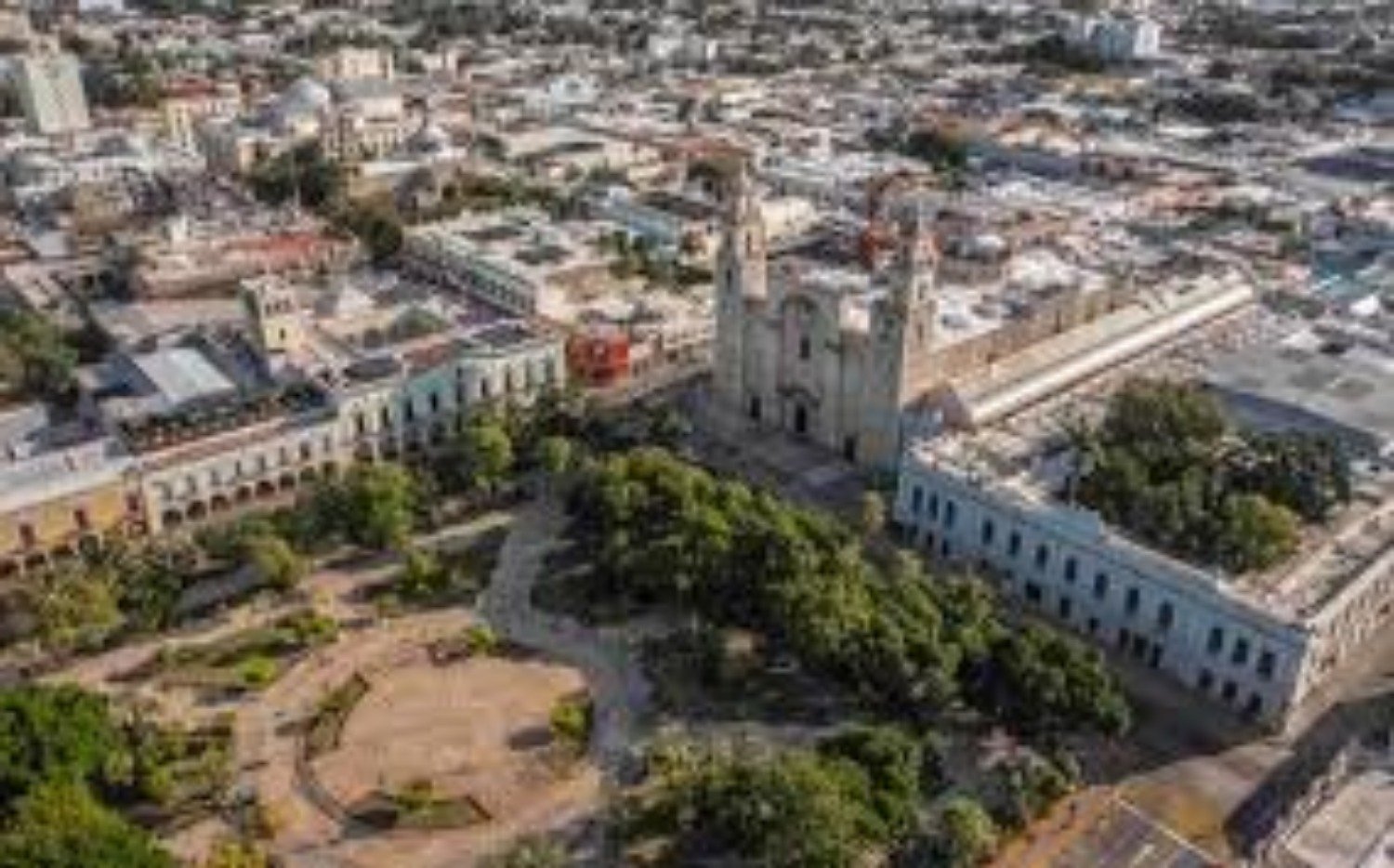
Mérida, Mexico — Gentrification is advancing forcefully in Mérida and is now fully impacting the Historic Center, where the Maya population has begun to be displaced toward the peripheries, while rents, services, and property taxes become more expensive.
A year after Cecilia Patrón Laviada assumed the municipal presidency, the phenomenon has not been stopped and continues to transform the city at an accelerated pace. In the last months of 2025, the city council announced an increase in the cadastral value of housing, which directly impacted property tax collection.
This measure adds to a context in which rents have increased around 7 percent annually, above inflation, making housing more expensive not only in the center but also in the north and south of the city, and pushing native families to move to cheaper areas.
According to recent estimates, around 7,000 properties in Mérida currently operate as Airbnb-type accommodations, many of them without paying taxes as businesses, even though there are owners who concentrate dozens of properties destined for tourist rentals.
This model has reduced the supply of housing for residential use and has turned entire neighborhoods into spaces oriented almost exclusively toward visitors.
The phenomenon not only impacts access to housing but also community life. In neighborhoods and communities like Santa Gertrudis Copó, residents have denounced that new residents seek to limit local traditions, such as popular dances or religious celebrations, under the argument of not “bothering” foreigners or affecting their lifestyle.
Additionally, owners of houses built with limestone prefer to stop renting to families to convert the homes into commercial spaces with higher rents.
Urbanism specialists, such as Graciela Carrillo, an academic at the Center for Research, Teaching, and Analysis of Public Policies, warn that Mérida is experiencing a process of “touristification,” where the city and its culture are transformed into merchandise.
On her TikTok account, the also founder of the Association “Haciendo Ciudad,” explains all the problems and exclusion that the Maya population has experienced, as a result of the massive arrival of foreigners to rent in different areas of the city.
The lack of regulation of land use and limits on short-term rentals has allowed housing to stop being conceived as a right and consolidate as a highly profitable business, explains Carrillo.
While the municipal government proposes urban planning plans, the reality is that gentrification continues advancing.
Discover more from Riviera Maya News & Events
Subscribe to get the latest posts sent to your email.