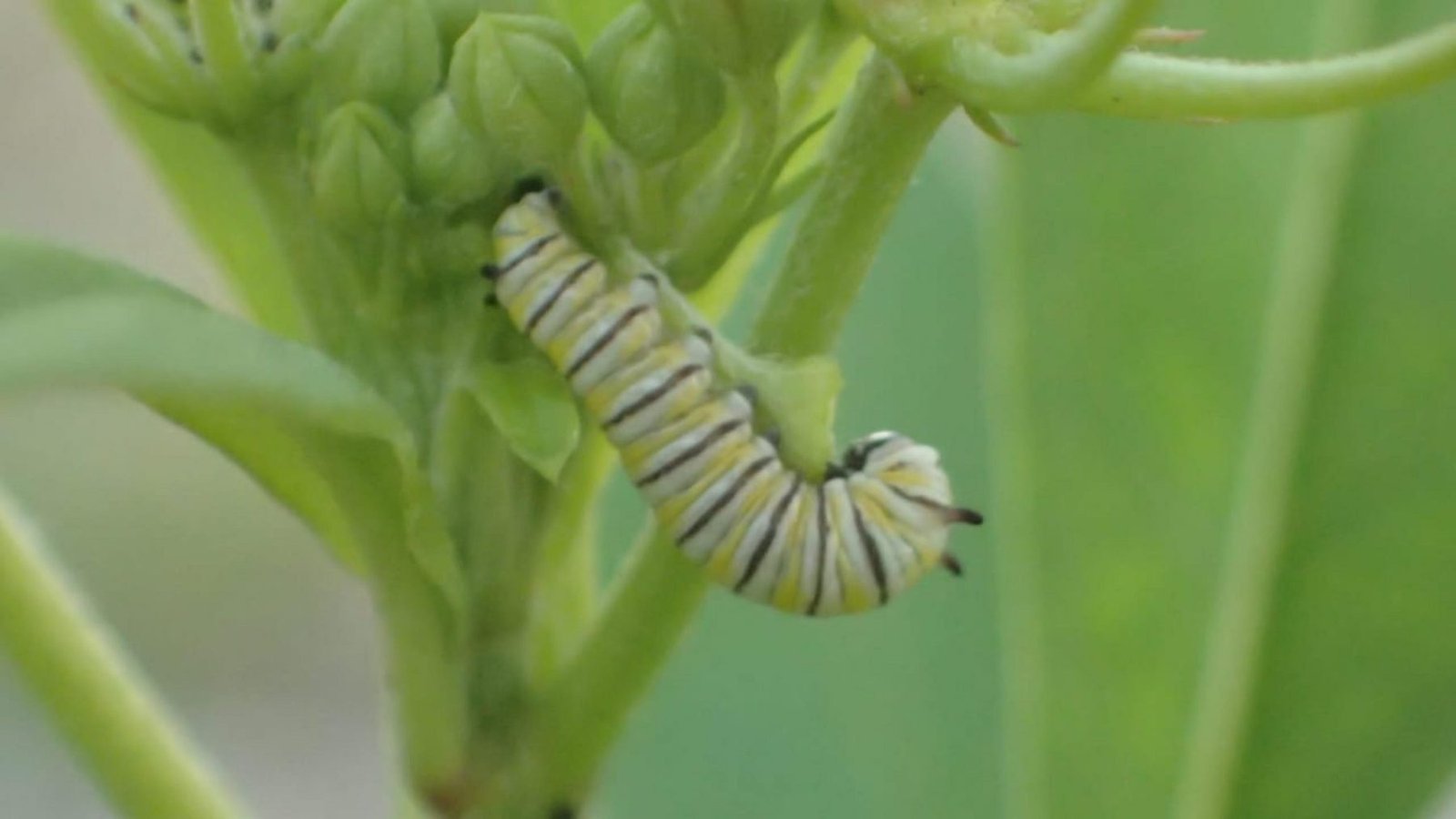
Cozumel — To strengthen the conservation of monarch butterflies and promote citizen participation in environmental care, the Cozumel Parks and Museums Foundation (FPMC) has begun a strategy to create pollinator gardens. The initiative involves planting host plants, mainly milkweed (Asclepias), in green areas located near the tourist sites managed by the institution.
Through the Directorate of Conservation and Environmental Education (CEA), information is also being disseminated so that the community can learn to recognize these plants and understand their importance within the life cycle of the monarch butterfly. The FPMC is inviting the people of Cozumel to plant them in their homes and community spaces.
A Fundamental Plant for Survival
The director of CEA, Rafael Chacón Díaz, explained that milkweed is fundamental to the survival of this species, as it is the only food for monarch butterfly caterpillars. He detailed that adult specimens lay their eggs on the leaves of these plants; when they hatch, the caterpillars feed on them, and the plant also serves as a refuge for them during their development.
Furthermore, he pointed out that milkweed has natural compounds that caterpillars store in their bodies, making them unattractive to predators such as birds, functioning as a natural defense mechanism.
Chacón Díaz added that there are several native species of milkweed, such as A. syriaca, A. tuberosa, and A. incarnata, which are key to the migration and reproduction of the monarch butterfly. These species have been planted in the pollinator gardens of the San Gervasio Archaeological Zone Tourist Center and at the Center for Conservation and Environmental Education (CCEA). Coverage will be expanded to other areas and tourist centers, as planting them represents a direct way to contribute to their conservation.
Butterflies in Transit and Residence
He specified that the monarch butterflies seen in Cozumel could be in migratory transit, resting and feeding before continuing their journey along the Caribbean route that connects Florida, the Caribbean, and the Yucatan Peninsula.
They can also reproduce locally if they find suitable host plants or even arrive on the island disoriented by winds or storms, something common in the Caribbean islands.
Alignment with State Initiatives
For her part, the general director of the FPMC, Juanita Alonso Marrufo, highlighted that these types of actions align with the New Agreement for the Well-being and Development of Quintana Roo, promoted by Governor Mara Lezama Espinosa, which promotes the protection of the environment and social participation in its care.
“Planting host plants is a simple yet very significant way to contribute to nature conservation. Our institution seeks to bring this knowledge to the community so that more people will join in protecting the environment,” she said.
She reiterated the invitation to the community to learn about, identify, and plant native milkweed, reminding them that only what is known is valued and cared for, and that small actions from home can have a positive impact on biodiversity conservation.
Discover more from Riviera Maya News & Events
Subscribe to get the latest posts sent to your email.