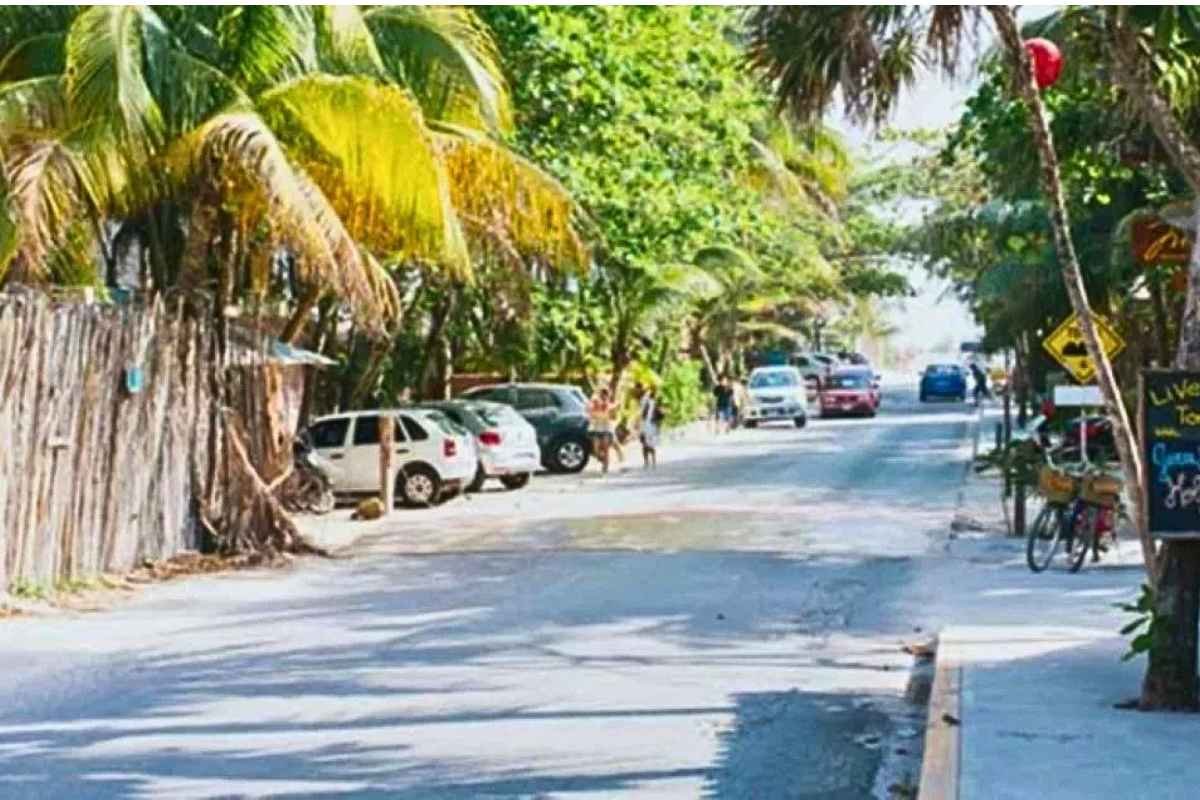
Tulum, Quintana Roo — The National Fund for Tourism Development (Fonatur) is preparing a diagnosis of urban services in Tulum to address the resort town’s backlog of public infrastructure, federal Tourism Secretary Josefina Rodríguez Zamora said, acknowledging that the municipality grew faster than demand and without the services it requires.
Speaking in a radio interview, Rodríguez Zamora placed the study within the federal government’s response to a drop in visitors — a problem she said is not recent. “Tulum has not had a few months of lower tourist numbers, it has had years,” she said. “It is a destination that has not reinvented itself, that lacks infrastructure, that today has new mobility plans, and where Fonatur is carrying out a diagnosis of urban services.”
Hotel Growth Outpaced Public Services
The tourism secretary said lodging supply has overtaken demand. Counting hotels and short-term rentals listed on platforms such as Airbnb, Tulum now has more rooms than Acapulco — “a destination so small, without adequate public services.” Urban services, mobility and public infrastructure, she conceded, did not grow at the same pace as the lodging supply.
She also pointed to record arrivals of sargassum seaweed and a tourism sector that drove up prices. “It has to be said plainly: it took advantage of the tourist, prices rose enormously,” she said. Costlier services and seaweed piled up on several beaches have damaged the visitor experience and perception, even during high season.
Business Groups Point to Unregulated Growth
Her assessment echoed complaints from the private sector. Miriam Cortés Franco, executive president of the Quintana Roo Vacation Clubs Association (Acluvaq), attributed Tulum’s decline to years of disorderly growth, rate abuses, a stark lack of public infrastructure, the absence of an updated urban development plan and unchecked real estate construction.
Cortés Franco said Tulum illustrates what happens when a destination grows without zoning rules or clear reviews of new developments.
“Tulum fell because of that, because it lacked everything: it has no urban development plan or land-use rules, and there is excessive real estate construction; it is total disorder where taxis charge whatever they want. It is a very high price they are paying,” she said.
The lack of regulation, she added, allowed construction inside protected natural areas and conservation zones, excessive public transport fares, and a short-term rental supply on platforms such as Airbnb that now exceeds traditional hotels.
Tulum Renace Strategy
The Fonatur diagnosis forms part of the Tulum Renace strategy, which Rodríguez Zamora said aims to “change the narrative” of the destination. It includes a new management model for Parque del Jaguar — which already has tourism infrastructure, certification and regulated service providers — along with sargassum control efforts and infrastructure and service projects.
Jet Fuel Prices Hit Cancún
In the same interview, Rodríguez Zamora said higher jet fuel prices have made plane tickets more expensive, and that Cancún is the most vulnerable destination because of its reliance on international routes, particularly from the United States.
Spirit Airlines’ reduction in operations alone stripped more than 350,000 seats from the Mexican Caribbean.
“We expect that in the second quarter of 2027, flights to Cancún will recover the frequencies lost with the United States,” she said.
The federal strategy also seeks to diversify source markets, with Canada, Brazil, Colombia and Asia as priorities, and to reduce reliance on the sun-and-beach model by promoting cultural, community, culinary, health and convention tourism, while drawing visitors to regions that have received less international attention.
More Development
- Posadas Opens Devossion by Live Aqua With 122 Rooms on Isla Mujeres
- Semarnat Weighs Clearing Tulum Jungle for 158-Space Parking Lot
- Quintana Roo Taxis to Require Digital Taximeters Starting in 2027
- Cancún to Launch New MOBI Route to Hotel Zone With Eight Days of Free Service
- Cancún Bets on Downtown With Space-Themed Immersive Restaurant and 64-Room Hotel
More Tulum
- Tulum Council Approves 2026 Budget Adjustment, Sends 2027 Revenue Bills to State Congress
- Mexico Offers Near-Full Airport Fee Subsidies to Airlines That Add Tulum Routes
- Tulum Tightens Security Coordination Ahead of High Season
- Tulum Posts Quintana Roo’s Steepest Hotel Occupancy Drop, Down 9.1 Points in 2026
- Solomun to Return to Tulum on Jan. 7, 2027, for Show at Tehmplo