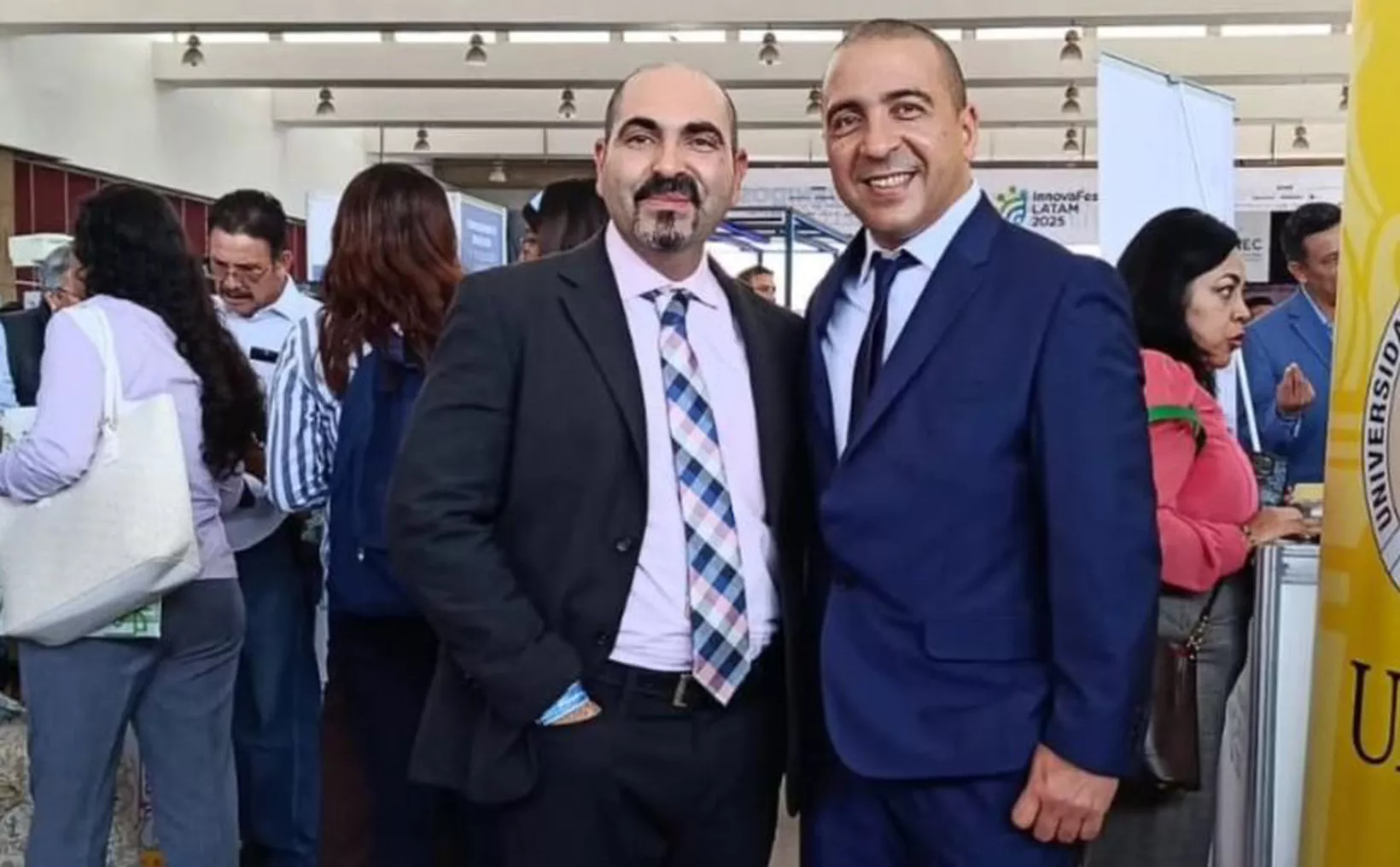
Mérida, Mexico — An artificial intelligence-based device for the early detection of cardiac arrhythmias has placed a team of Mexican researchers at the center of national scientific innovation. The project was recognized with the 2025 National Award from the Mexican Institute of Industrial Property (IMPI) in the category “Work or research project that provides solutions to impact,” one of two new categories created this year, making this development the first historical winner in that category.
The research is led by Dr. Julio Barbará, a specialist from Universidad Anáhuac Mayab, in collaboration with his colleague Didier Torres and university students, and proposes an automated system that analyzes electrocardiogram signals using AI algorithms.
One of the main scientific contributions of the project is the incorporation of a biomarker rarely explored in specialized literature: the tortuosity of the electrocardiographic signal, which allows measuring how sinuous or deformed the heart’s electrical signal is. Studies demonstrated that this metric is more sensitive than classic indicators, such as the interval between heartbeats (RR), by allowing earlier and more precise detection of cardiac alterations, even with a reduced number of variables, which simplifies processing and device design.
The system functions through electrodes similar to those of a conventional electrocardiogram, which capture the cardiac signal for filtering and processing in a microcontroller with artificial intelligence capabilities. Based on these metrics, the algorithm is trained to automatically classify whether there are indications of arrhythmia. The development does not aim to replace the physician, but rather to offer a tool to support clinical diagnosis and decision-making, especially in contexts where continuous monitoring can make the difference between timely care and a serious emergency.
The economic stimulus of 250,000 pesos, granted by IMPI, will be allocated primarily to strengthening the prototype, acquiring equipment, technological development, additional system tests, and intellectual property protection processes for the device. It will also cover expenses associated with scientific publications, project dissemination, and participation in specialized conferences, in addition to supporting the training of students involved in the research. These resources are key to advancing toward a more robust version of the device and to meeting, in the medium term, the safety regulations and certifications required for medical use.
Project in Laboratory and Prototype Phase
Currently, the project is in the laboratory and prototype phase. It is estimated that in at least one year it could begin more advanced tests, once technical adjustments are completed and regulatory requirements are met. The long-term goal is to develop a portable, low-cost, low-energy consumption device capable of continuously monitoring the patient and issuing early alerts for anomalies, with a direct impact on the prevention and care of cardiovascular diseases.
In parallel, the push for innovation is also reflected in the regional entrepreneurship sphere. The Business Incubator of the tecniA Technology and Innovation Park was selected in the “Emprender para Crecer 2025–2026” call with the project “Strengthening Traditional Entrepreneurship in the Southeast 2026 – Hybrid Incubation with Data Intelligence,” one of the 13 proposals chosen nationally.
The project received support of 248,850 pesos to modernize its incubation model through personalized diagnostics, flexible programs, digital platforms with AI support, and real-time indicator monitoring, with the objective of strengthening decision-making and the competitiveness of traditional businesses in the south-southeast.
Both recognitions consolidate the role of Universidad Anáhuac Mayab as a relevant actor in generating solutions that articulate applied research, technology, entrepreneurship, and talent development, with a direct impact on regional and social development.
Discover more from Riviera Maya News & Events
Subscribe to get the latest posts sent to your email.