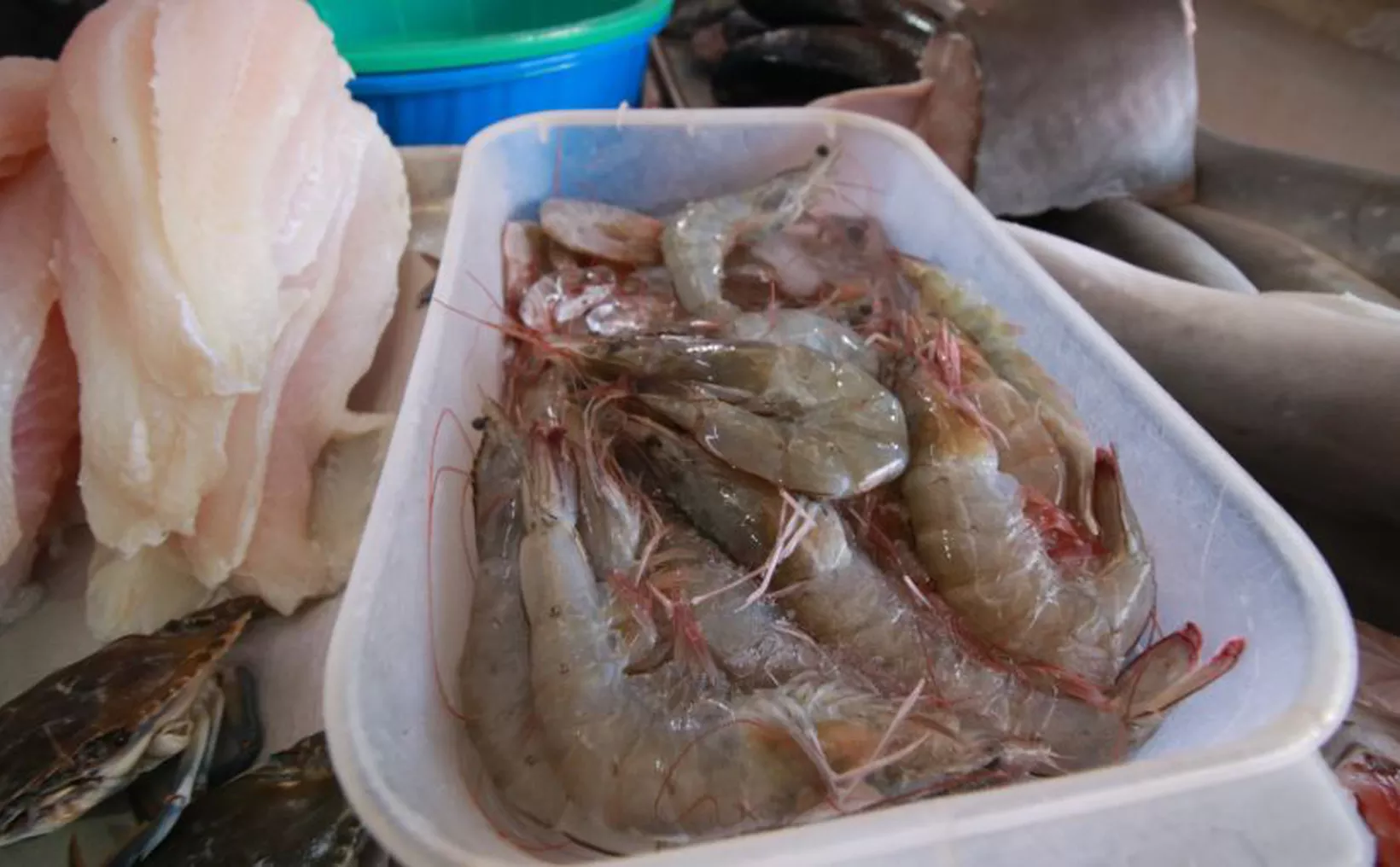
Yucatán — Yucatán remains one of the best organized states in Mexico’s fishing and aquaculture sector, with over 60% of its processing plants certified, allowing it to maintain its export capacity and international competitiveness, stated Miller Alexander Longoria, national president of the Mexican Chamber of the Fishing and Aquaculture Industries (Canainpesca). He noted that the shrimp fishery is currently facing a significant crisis.
From the peninsula, the sector leader indicated that the state is a national reference point due to the strength of its business chamber, the organization of the productive sector, and support from the governor. These factors have allowed key products like octopus to maintain a good capture season despite challenges facing the activity nationally.
“Yucatán is an example in many positive aspects: organized entrepreneurs, orderly activity, and significant support from the state government. Octopus is an extremely important product and this season has had good production,” he expressed.
Longoria explained that 2025 has been a contrasting year for fishing in Mexico. While species like tuna, octopus, and sardine have recorded record catches, shrimp is experiencing an unprecedented crisis in both the Pacific and Gulf of Mexico.
“Sea shrimp is suffering an unprecedented situation like never before in history. We are having a very serious capture problem on both coasts,” he warned.
He specified that causes are currently being analyzed together with the Mexican Institute for Sustainable Fishing and Aquaculture Research (Imipas), federal authorities, and entrepreneurs, but emphasized that without sufficient resources it will not be possible to address the problem fundamentally.
The Canainpesca president acknowledged that the budget allocated to the fishing sector has been low in recent years, so dialogues have already been established with deputies from the Fishing Commission to correct this situation.
“We can have the best plans and the best ideas, but without resources we won’t be able to do anything. The new commissioner has great interest in the sector and I believe with him we will be able to resolve many pending situations,” he affirmed.
In the specific case of Yucatán, one of the main challenges is bureaucratic procedures before Cofepris and Port Captaincies, especially regarding sanitary certifications for processing plants, an indispensable requirement for exporting.
Although the state has one of the highest numbers of certified plants nationally, several are close to expiring or have already expired, which has created complications for their regularization.
“We are compliant, we like to respect the law, but we are struggling. These are not free problems. We need willingness and work from the authorities,” he indicated.
Miller Longoria also highlighted the relevance of the Fishing and Aquaculture Summit, which has now become an international reference point by bringing together all sector actors: industrial fishing, coastal fishing, entrepreneurs, authorities, and non-governmental organizations.
“The great challenge is learning to coexist, share, and live together as all of us who form part of the sector,” he concluded.
Discover more from Riviera Maya News & Events
Subscribe to get the latest posts sent to your email.