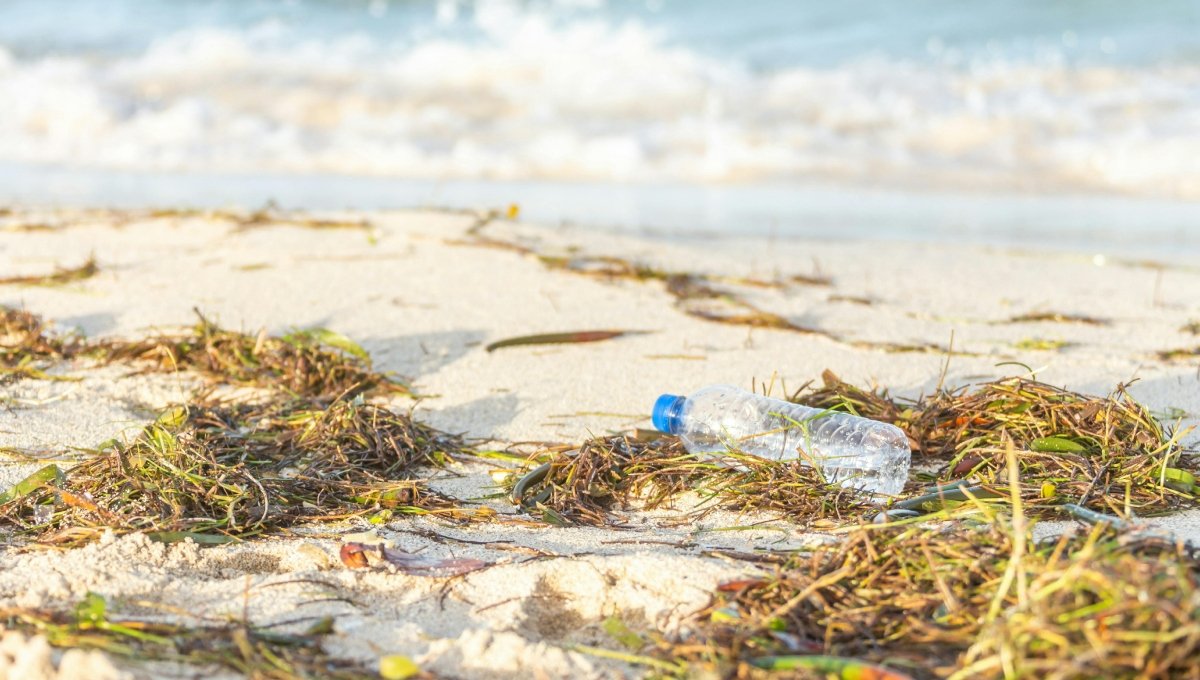
Yucatán, Mexico — The brigades advance, the beaches are cleaned, and official figures confirm an unprecedented collective effort. However, the trash returns. In Yucatán, the sanitation of the coastline has managed to remove more than 33 tons of waste during 2025, but the constant accumulation of debris on the coast and in the sea remains an environmental problem that exceeds cleanup events.
According to the Secretariat of Sustainable Development (SDS), the year concluded with 44 cleanup events carried out in nine coastal municipalities, involving 7,763 volunteers from civil society, environmental associations, companies, and agencies from all three levels of government. The actions were deployed along more than 300 kilometers of coastline, one of the most extensive coastal strips in the country.
The activities, promoted by the Secretariat of Sustainable Development (SDS) in coordination with civil organizations such as Limpiemos Yucatán and Ecoce, as well as with municipal authorities and citizen volunteers, have evolved to form an annual program for the sanitation of beaches and mangroves that covers various points of the Yucatecan coast.
Constant Cleanup Facing a Recurrent Problem
The figures reflect a sustained social mobilization, but they also reveal an uncomfortable reality: trash continues to arrive on the beaches. Part of the waste comes from visitors who do not collect their debris, but another significant amount is carried by ocean currents, rains, and runoff from urban areas and roads.
The head of the SDS, Neyra Silva Rosado, acknowledged that the events are essential to mitigate environmental damage, but emphasized that the problem will not be solved only with periodic cleanups.
“The effort is enormous and sustained, but if the way in which waste is generated and disposed of does not change, the sea will continue to return what we throw away,” warned the official.
Celestún: Year-End and Mirror of the Problem
The last event of the year was held in early December at the Port of Celestún, where 90 volunteers managed to collect more than 500 kilograms of waste on beaches and mangroves. The breakdown of the removed debris offers a snapshot of the type of pollution present: 324 kilograms corresponded to general trash, 185.7 kilograms to glass waste, and 2.7 kilograms to PET plastic bottles.
This event was carried out in coordination with Limpiemos Yucatán, Ecoce, Keiser Compresores, and the local municipality, as part of the state program for the Sanitation of Beaches and Mangroves, which during the year totaled 33,707.16 kilograms of waste removed.
Damage to the Ecosystem and Health Risks
Specialists and authorities agree that the accumulation of trash on beaches and seas has direct consequences on coastal ecosystems. Plastic waste, glass, and metals represent a risk for birds, turtles, and marine fauna, which can ingest them or become trapped in them.
Furthermore, waste favors the proliferation of bacteria, deteriorates water quality, and affects key economic activities such as fishing and tourism, pillars of coastal development in Yucatán.
“Trash is not only an aesthetic problem; it is an environmental and health threat,” environmental authorities stated, explaining that many residues remain in the sea for years before fragmenting into microplastics.
Environmental Education: The Long-Term Bet
One of the axes of the program has been the participation of girls, boys, and adolescents, with the goal of fostering a culture of environmental care from an early age. For the SDS, these events not only clean spaces but also generate awareness about individual and collective responsibility.
The head of the Department of Comprehensive Waste Management, Francisco Javier Alfaro Espinosa, explained that each event allows for the identification of the most common types of waste and the areas with the greatest impact, key information for improving the planning of future interventions.
Awareness and Shared Responsibility
Although the figures for removed waste may seem encouraging, this type of action also reflects a persistent challenge: the continuous accumulation of trash on the beaches and its drift toward the sea by currents, wind, and human carelessness.
The solid waste that reaches the coasts not only tarnishes natural landscapes but also represents a danger for marine fauna and coastal ecosystems, by becoming entangled in vegetation, being ingested by birds and fish, and releasing harmful toxins into the environment.
The authorities and organizations involved emphasize that cleanup is only part of the solution; the other, perhaps more complex, is to foster among the population a change in habits that reduces the generation and improper disposal of waste.
In the words of activists and officials, each bottle, each bag, or each piece of trash removed from the coastline represents a call to attention about the importance of caring for these spaces, not only during cleanup events but in daily life.
An Effort That Will Continue in 2026
The Secretariat of Sustainable Development confirmed that cleanup events will continue in 2026, and that the dates and venues will be announced through its official social media channels. The invitation, they reiterated, is open to all citizens.
The balance of 2025 leaves a clear message: Yucatán is advancing in the cleanup of its coastline, but as long as trash continues to reach the sea, the challenge will not only be to collect it but to prevent it from returning.
The challenge is not minor: to make more and more people internalize the importance of not throwing waste on land or in areas near the sea, and for the culture of environmental care to be part of daily life, not just an occasional act during sanitation campaigns.
Discover more from Riviera Maya News & Events
Subscribe to get the latest posts sent to your email.