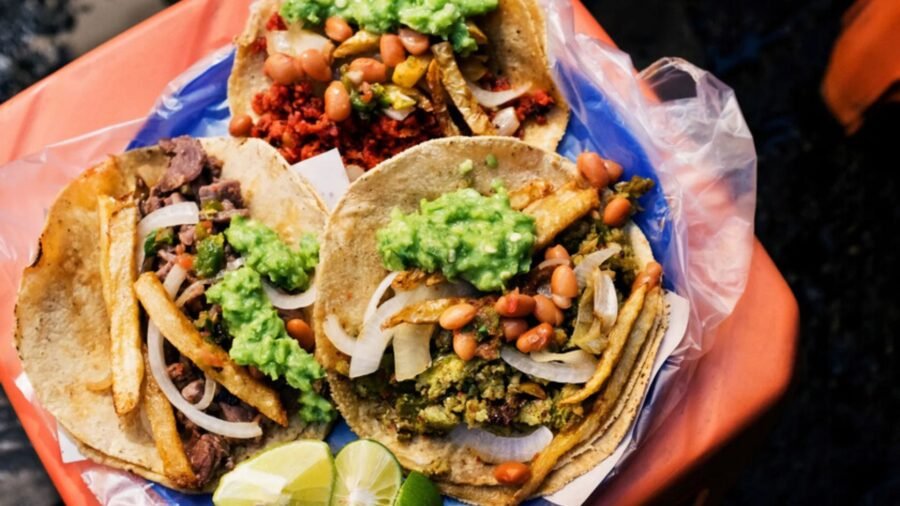
Mexico City, Mexico — Street food is one of the pillars of Mexico’s culinary identity. In cities like Mexico City, Guadalajara, Puebla, and Mérida, it is not a novelty or indulgence but a daily reality. Millions of people depend on street food for affordable, accessible meals during long workdays, commutes, and school schedules. While it is often criticized for being greasy or nutritionally poor, experts from the National Autonomous University of Mexico (UNAM) say that perception oversimplifies a much more complex food culture.
According to nutrition specialists, many traditional Mexican street foods are based on natural, minimally processed ingredients and can fit into a balanced diet when chosen and prepared wisely. Their analysis challenges the idea that eating on the street automatically means eating poorly, especially when compared to ultra-processed fast food.
Street Foods With the Best Nutritional Profile
Among the highest-rated options are tacos de guisado, provided the fillings are not heavily fried or cooked in excessive oil. Varieties made with vegetables, nopales, eggs, legumes, or lean meats offer a balanced combination of protein, carbohydrates, and fiber. These tacos also tend to be more filling, helping prevent overeating later in the day.
Tlacoyos, made from blue or white nixtamalized corn masa, also score well nutritionally—especially when filled with beans or fava beans. When cooked on a griddle rather than fried and topped with nopales, fresh salsa, and moderate amounts of cheese, they provide sustained energy, plant-based protein, and calcium. Nixtamalization, the traditional process used for corn, increases mineral availability and improves digestibility.
Elotes and esquites are another staple that can be part of a healthy diet. Corn provides complex carbohydrates and fiber, but experts recommend going easy on mayonnaise, butter, and powdered toppings. Prepared simply with lime, chili, and herbs, these dishes retain much of their nutritional value.
Fresh fruit cups and quesadillas cooked on a comal with fillings like squash blossoms, mushrooms, or huitlacoche are also highlighted as favorable choices, especially when frying is limited.
Popular Street Foods That Require Moderation
Other beloved staples—such as tamales, tortas, gringas, and deep-fried quesadillas—are not inherently “bad,” but fall lower on the health scale due to higher fat content or refined carbohydrates. These foods are more calorie-dense and best enjoyed occasionally rather than daily, particularly for those with sedentary routines.
Ultra-processed snacks and sugary drinks rank lowest. Nutrition experts advise avoiding sodas and sweetened aguas frescas, recommending instead plain water or natural fruit waters without added sugar.
Hygiene Still Matters
UNAM specialists stress that food safety is as important as nutritional content. Clean work surfaces, protected ingredients, proper utensil use, and basic hygiene practices are essential indicators of a reliable vendor. They also recommend eating slowly, controlling portions, and limiting heavy sauces and dressings.
The conclusion is clear: street food itself is not the problem. With informed choices and attention to preparation, traditional Mexican street food can be both culturally authentic and nutritionally reasonable—offering nourishment, affordability, and a direct connection to Mexico’s culinary roots.
Discover more from Riviera Maya News & Events
Subscribe to get the latest posts sent to your email.