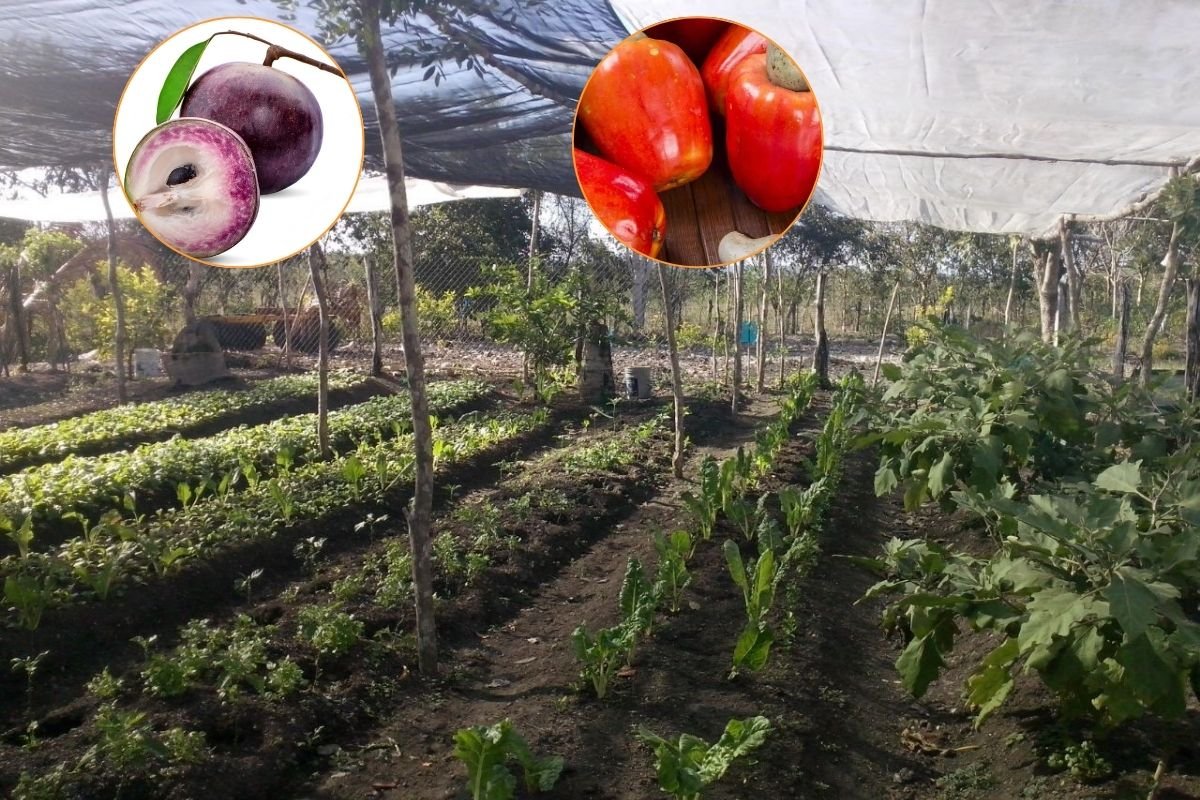
José María Morelos, Quintana Roo — Traditional fruit production in southern Quintana Roo faces a precarious future as soil quality and climate conditions threaten the survival of regional species like caimito and marañón.
Farmers have reported a noticeable decline in crops such as sweet caimito, marañón, and sweet lime, which are becoming increasingly scarce due to growing difficulties under current environmental pressures.
Maximiliana Aké May, a producer from the community of La Presumida, explained that the region’s predominant limestone soil fails to retain sufficient moisture, hindering the growth of these fruit trees.
Compounding the issue, unpredictable weather patterns have reduced the stability needed for certain crops, forcing farmers to reconsider their agricultural methods and seek more viable alternatives.
In response, some producers have shifted to short-cycle crops like radish and cilantro, which yield harvests more quickly and require more manageable care during drought periods.
On her plot, Aké May has implemented practices such as applying compost to improve soil quality and creating small pits around trees to capture rainwater and conserve moisture.
She also maintains a diversified production with crops like avocado, mango, plum, and anona, and has begun planting new mandarin and chinalima trees to adapt to the changing environment.
Farmers across the south agree that without strategies to address these challenges, the region risks gradually losing part of its agricultural heritage, represented by traditional fruits that have shaped its identity for generations.
Discover more from Riviera Maya News & Events
Subscribe to get the latest posts sent to your email.