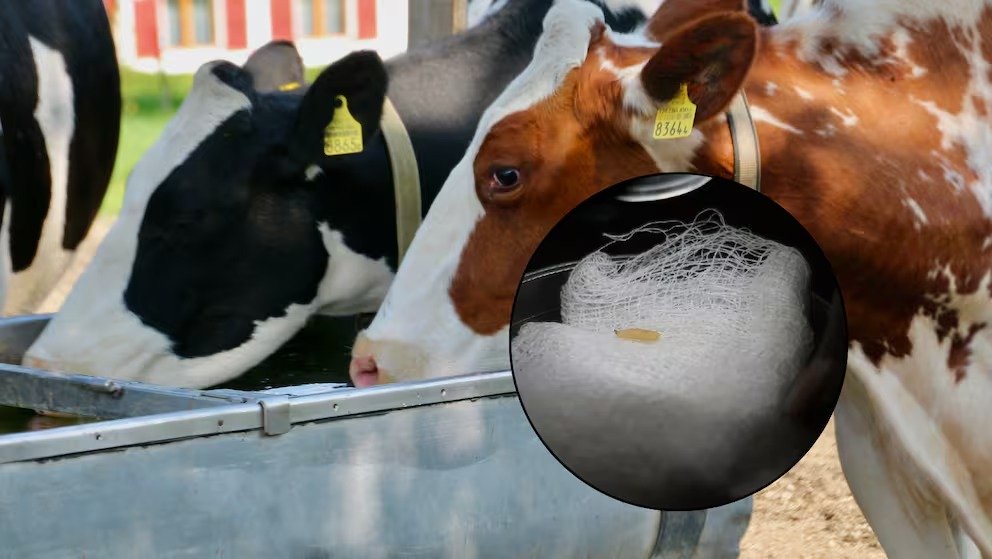
Mexico City — After decades of eradication, Mexico is reporting a new outbreak of the screwworm, a pest that is generating both health and economic concerns in the country and along the border with the United States.
As of January 28, there are 831 active cases, with presence in states such as Tamaulipas, with eight reports, and Veracruz, which has 160. The pest is already affecting states in the southeast, center, and west of the country, including Yucatán, Quintana Roo, Campeche, Tabasco, Chiapas, Oaxaca, Puebla, Guerrero, Michoacán, San Luis Potosí, Jalisco, and Colima. Since its reappearance, the total accumulated cases have reached 14,744.
The screwworm corresponds to the larva of the Cochliomyia hominivorax fly, which feeds on live flesh in animals with recent wounds. Infestation causes serious infections, weight loss, decreased milk and meat production, and can be fatal if not treated promptly. While it primarily affects cattle, cases have also been recorded in dogs, pigs, horses, sheep, and goats.
Mexico and the United States successfully eradicated the pest between 1960 and 1991, but its reappearance on November 23, 2024, in Chiapas marked the beginning of the current resurgence. The expansion of the larva led Texas Governor Greg Abbott to declare a state of disaster across his entire territory on January 29, in order to expedite resources and actions to protect the U.S. livestock herd.
In response, the export of Mexican livestock to the United States remains suspended, affecting producers and supply chains. Simultaneously, the National Service for Agrifood Health, Safety and Quality (Senasica) and the Ministry of Agriculture and Rural Development (Sader) maintain binational operations to contain the pest.
Among the implemented strategies, the release of sterile flies from the Production Plant in Metapa, Chiapas, stands out. This is a method proven during the historical eradication, with the goal of interrupting the insect’s reproductive cycle and reducing the pest population. So far, the facility reports 50% progress in the production of sterile insects.
The resurgence of the screwworm has once again put authorities, producers, and marketers on alert, highlighting the vulnerability of the livestock sector to the return of a pest that was believed to be overcome.
Discover more from Riviera Maya News & Events
Subscribe to get the latest posts sent to your email.