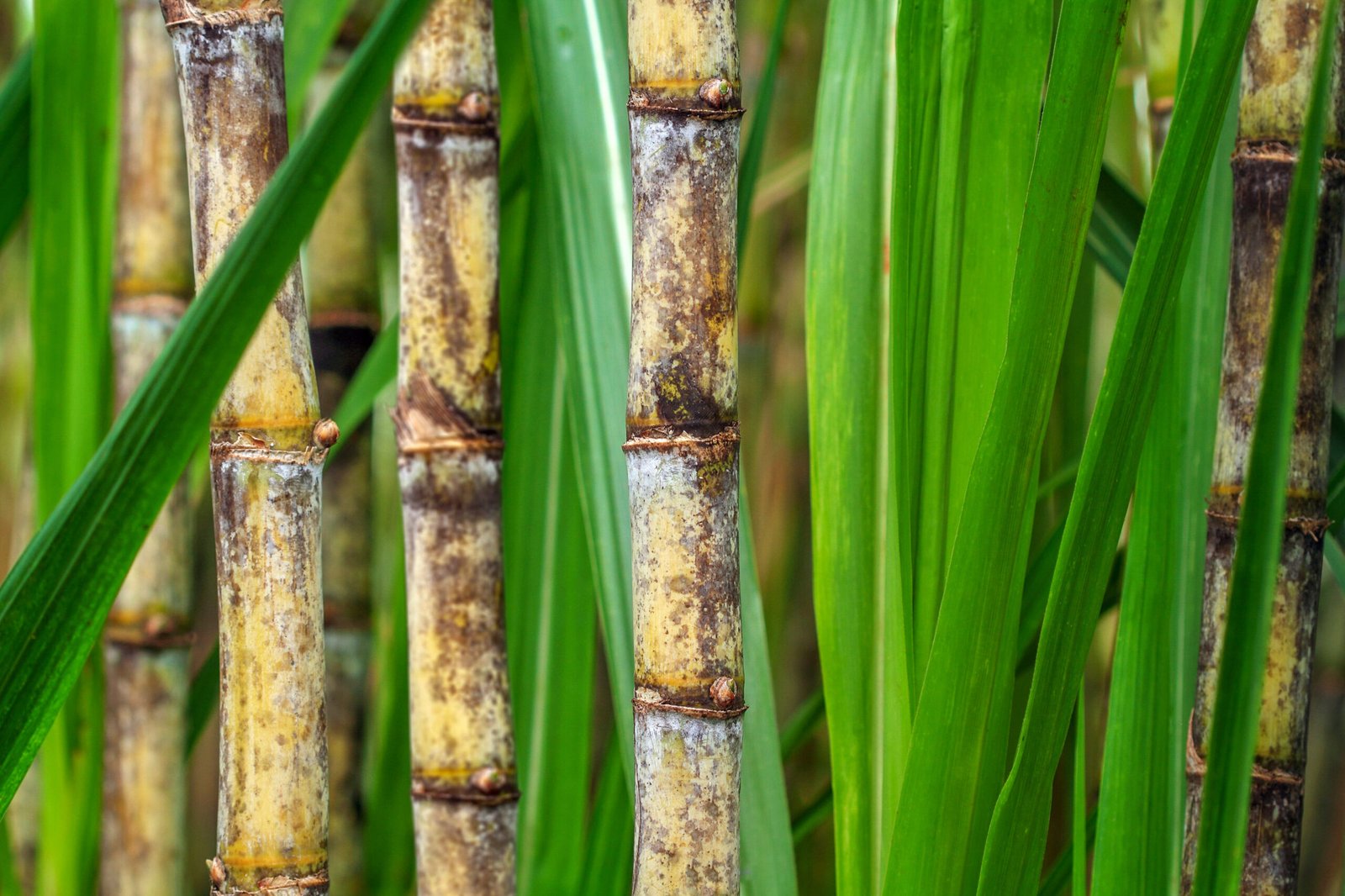
Sugarcane (Saccharum officinarum) is a traditional ingredient in Mexican Christmas festivities, especially in piñata fillings and the preparation of sweets and Christmas punch.
For this and other reasons, it is a good time to briefly recount the sweet footprint this crop has left throughout the history of our country.
Sugarcane was introduced to Mexico by the Spanish in the 16th century and quickly became an important crop, as it is used in the production of sugar, honey, and other products.
Its first plantation took place in the state of Veracruz, an entity that maintains first place with more than a third of national production.
Did you know? The sugarcane stalk is considered an agricultural fruit, as it distributes and stores sugar.
The stalk contains approximately 75 percent water and is formed by nodes and internodes, which vary in length, diameter, shape, and color among different varieties.
Sweet Christmas
During the Christmas holidays, sugarcane takes on a leading role among streets full of bustle, color, and flavor. Among the sweets, it is accompanied by tangerines, tejocote, oranges, and other fruits, turning this moment into a rich agricultural tradition.
While it is a key ingredient in many traditional Mexican recipes, you can prepare it in:
- A traditional sweet made with sugarcane, milk, and spices.
- A hot beverage made with sugarcane, fruits, and spices.
- A typical dessert from the Tampico region, made with sugarcane, coconut, and milk.
Sugarcane is a traditional and delicious ingredient that is part of Mexican culture, thanks to the effort and commitment of producers. They sweeten the end-of-year celebrations.
Discover more from Riviera Maya News & Events
Subscribe to get the latest posts sent to your email.