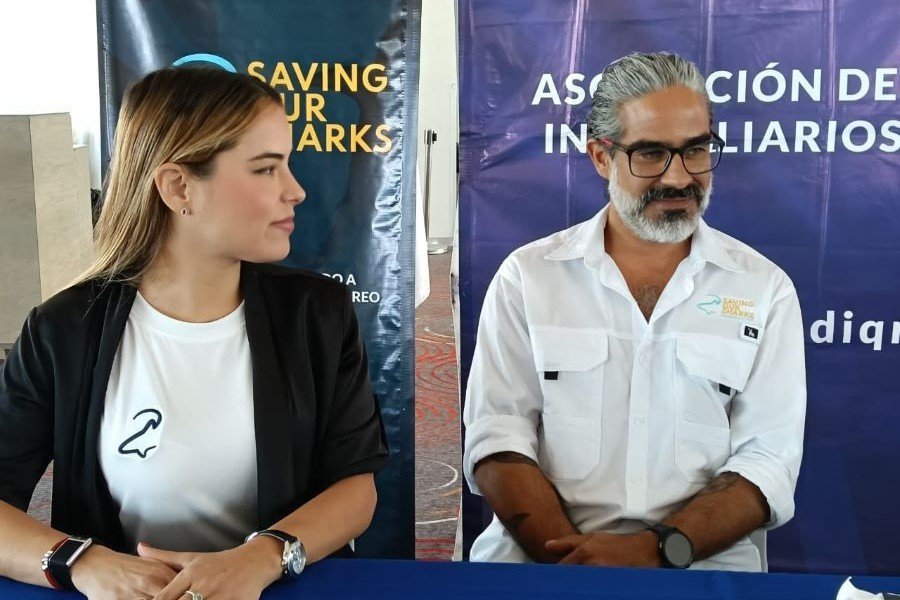
Cancún, Quintana Roo — Responsible shark tourism could become a key economic alternative for fishing communities in the Mexican Caribbean, shifting from extractive fishing to conservation-based ecotourism models.
Experts point to successful cases like Playa del Carmen, where a small shark population has begun generating significant income through tourist activities, particularly bull shark sightings and interactions.
“This practice has shown these animals can represent a competitive advantage for the destination, beyond their commercial value as fishing products,” said Luis Lombardo Cifuentes, project director at Saving our Sharks.
Internationally, destinations like the Bahamas generate over $80 million annually from shark-focused tourism, opening possibilities for replicating this model in Quintana Roo, which has tourist infrastructure, suitable ecosystems, and trained personnel for such activities.
The current objective is to encourage the transition from fishing to ecotourism activities that allow cooperatives to obtain greater economic benefits without resorting to extraction.
At least 24 species of fishing importance have been identified in the region, including hammerhead, tiger, and bull sharks, all considered high-value for tourism. However, any activity must adhere to regulations established by the National Commission of Natural Protected Areas (Conanp), especially in areas like the Costa Occidental de Isla Mujeres National Park, Punta Cancún, and Punta Nizuc, where certain practices are restricted.
As part of this strategy, fishing cooperatives have begun training in nature tourism and marine wildlife interaction activities, aiming to develop sustainable business models that strengthen the local economy without compromising biodiversity.
Discover more from Riviera Maya News & Events
Subscribe to get the latest posts sent to your email.