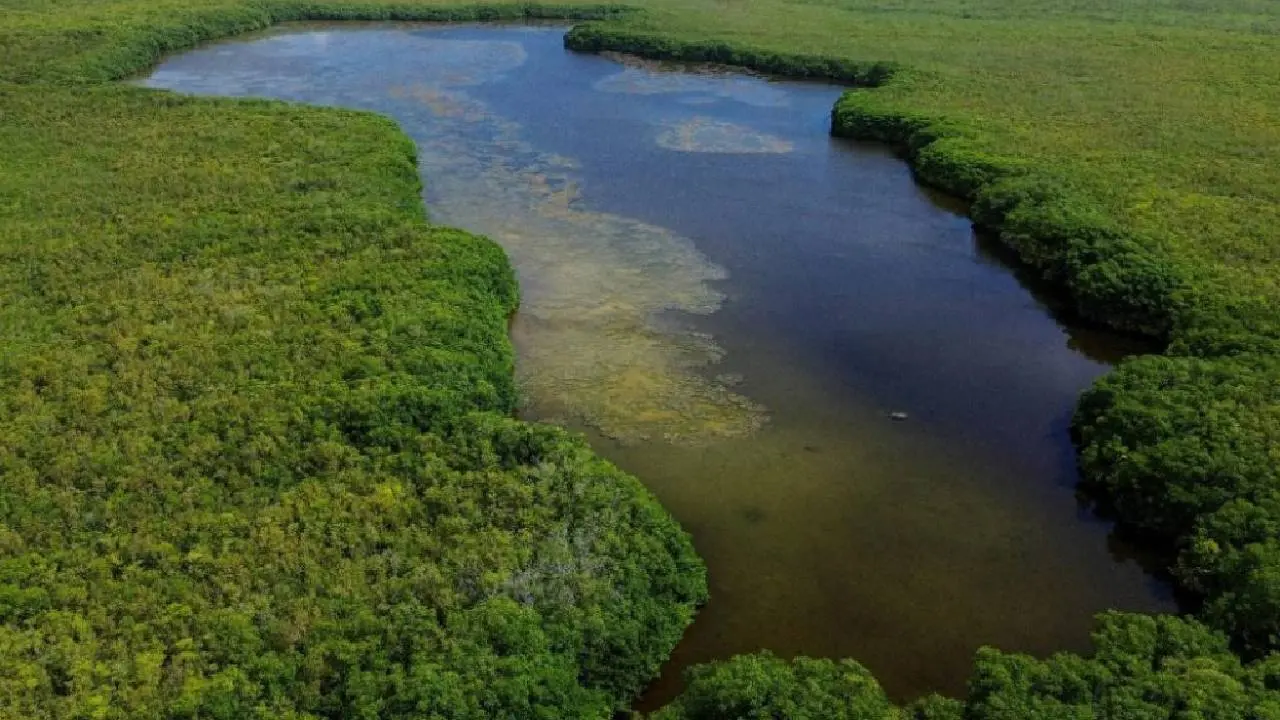
Quintana Roo, Mexico — The Institute of Biodiversity and Protected Natural Areas of Quintana Roo (Ibanqroo) has announced the implementation of a series of measures to strengthen its institutional structure and improve coordination with municipal governments in 2025. These actions have allowed for optimized management, promoted greater inter-institutional communication, and increased efficiency in local biodiversity conservation processes, according to its director, Javier Carballar Osorio.
A key component of this strategy is the update of the State Strategy for Biodiversity Conservation, which is expected to be completed between February and March 2026. This roadmap will be fundamental in defining concrete and sustainable actions for the protection of species and critical habitats in the region.
In parallel, protocols for wildlife care are being finalized, with the goal of ensuring a coordinated and effective approach in responding to incidents and emergencies in the natural environment, benefiting both local administrations and communities near protected areas.
At the financial level, the budget allocated to the environmental sector remains at approximately 12 million pesos for 2026, although experts and officials recognize the need to increase these resources. The conservation and restoration of ecosystems requires greater investment to address challenges such as habitat loss and climate change.
To reduce budgetary limitations, the management of international funds is being promoted, including partnerships with programs such as Marfond in coordination with the National Commission of Protected Natural Areas (Conanp). Strategic projects prioritize the protection of lagoons such as Chacmuchuc and Manatí, as well as initiatives to strengthen the protection of sea turtles in Xcacel–Xcacelito and collaborate with Belize in the conservation of manatees in Chetumal Bay.
Carballar Osorio also highlighted the importance of territorial planning, clarifying that although beaches are under federal jurisdiction, many natural areas are located in zones of high ecological and touristic value, meaning municipal Urban Development Programs will play a central role in protecting these ecosystems.
Finally, he emphasized that effectiveness in conservation will depend not only on existing laws and regulations, but also on citizen participation and environmental education. Citizen reporting and awareness are essential tools for activating and strengthening environmental protection and restoration actions.
This comprehensive approach aims to consolidate a more transparent, participatory, and effective environmental policy in Quintana Roo, aligned with current challenges and biodiversity conservation goals in the region.
Discover more from Riviera Maya News & Events
Subscribe to get the latest posts sent to your email.