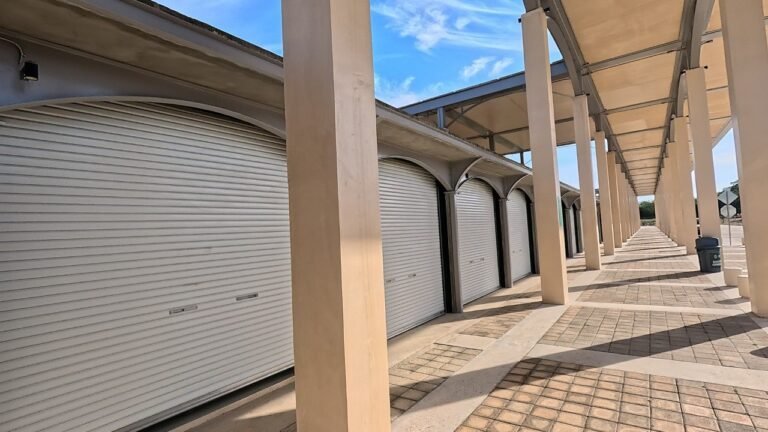
Cancún. More than 90% of the commercial spaces available at Maya Train stations remain unrented, largely due to the low or non-existent arrival of visitors at intermediate stations along its route.
In fact, the Nuevo Xcán and Leona Vicario stops are veritable ghost stations. There is practically no passenger boarding or disembarking.
Beyond the tourism project the Maya Train was intended to become, one of the major arguments for its investment was that it would be the great catalyst for economic development in the Southeast, primarily benefiting artisans and producers in each of the communities with a station. However, that is still far from reality.
Among the main promises of the then-president of Mexico, Andrés Manuel López Obrador, were the creation of business opportunities, job generation, tourism promotion, and the attraction of private investment stemming from a new economic ecosystem around its stations.
However, more than two years after its launch, several of these commitments remain unfulfilled or are progressing at a pace far below what was announced, with sites in total abandonment such as the Nuevo Xcán tourist stop and the commercial spaces in Leona Vicario and Valladolid.
One of the central pillars of the official discourse was the rental of commercial spaces in Maya Train stations. However, during a Caribe Peninsular tour from Cancún to Valladolid, it was confirmed that this “commercial ecosystem” has not “taken off.”
The promise included spaces for small and medium-sized businesses, local cooperatives, and regional brands that could benefit from tourist and regional traffic. Nevertheless, in practice, they continue without a fully operational commercial offering, with empty spaces.
In Cancún is where the most spaces exist, but they do not occupy even 50% of them. In Leona Vicario, passengers neither disembark nor board, so there is no interest in paying rent for its spaces.
The same occurs in Nuevo Xcán, where even approximately 1 kilometer from the station there is a tourist stop, which is also abandoned. This can be attributed to the fact that the train barely stops for 1 to 2 minutes, and anyone wanting to visit that stop would have to wait approximately 2 hours to take the train route again and purchase another ticket to travel to another destination.
The “project” envisioned that Nuevo Xcán would be a stop for tourists heading to Holbox. But it all remained good intentions. The station remains almost abandoned.
In Valladolid, passenger flow is recorded, both from Cancún and Mérida to this point. Between 10 and 15 people disembark, a similar number to those who board from Valladolid to head to one of the mentioned destinations. Despite this, only the official train products store and around 3 other spaces, which are rarely visited by users, are operational.
The project was also promoted as an immediate catalyst for tourism in historically lagging communities, under the argument that the train would facilitate access to archaeological zones, towns, and emerging destinations. However, visitor influx has not met the expectations set.
While the Maya Train represents an unprecedented infrastructure for the Mexican southeast and maintains long-term potential, the current reality shows a gap between political discourse and tangible results. The business opportunities announced as immediate have yet to materialize.
Discover more from Riviera Maya News & Events
Subscribe to get the latest posts sent to your email.