Felipe Carrillo Puerto, Quintana Roo — A debate over family political candidacies within Mexico’s ruling Morena party is gaining momentum ahead of the 2027 elections in Quintana Roo, as local lawmakers argue that while current legislation limits nepotism, it does not prohibit family members from running for different offices in the same election.
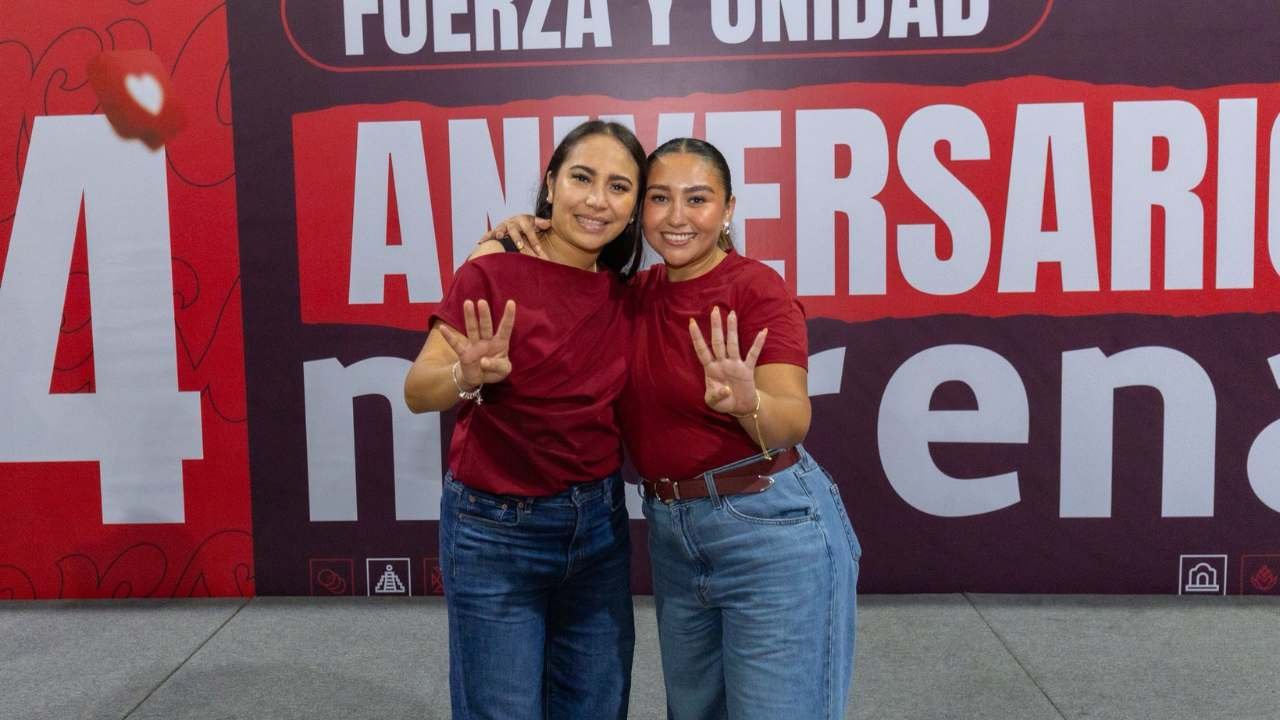
The discussion comes amid emerging political aspirations in several municipalities, particularly in Felipe Carrillo Puerto, where Mayor María Hernández Solís is seeking to promote the candidacy of her wife, Johana Acosta Conrado, who currently serves as Morena’s state leader in Quintana Roo.
Simultaneously, the mayor’s brother, David Hernández Solís, has expressed interest in running for mayor of Othón P. Blanco, raising questions about potential political nepotism within the party.
The party aims to secure the governorship and key municipalities including Benito Juárez, Playa del Carmen, and Othón P. Blanco in the upcoming elections.
Legal Limits on Nepotism, According to Morena
Local deputy Andrea González Loría explained that legislation establishes clear limits on nepotism, primarily applying when individuals seek the same public office or when there is a direct subordinate relationship in government functions.
The legislator noted that the Mexican Constitution already includes reforms to prevent the concentration of public offices within the same family circle. These provisions are also part of Morena’s internal guidelines, which promote eradicating nepotism in politics.
However, she clarified that family members running for different offices in an election does not necessarily constitute nepotism.
Competing for Different Offices Is Not Prohibited
González Loría explained that if a public servant holds one office and a family member decides to run for another position through an election, the law does not automatically prohibit it, as long as there is no direct subordination in the exercise of public power.
She said this criterion forms part of the existing legal framework regulating political participation and seeks to balance citizens’ rights with preventing favoritism practices.
Morena Selects Candidates Through Polls
Meanwhile, the coordinator of Morena’s bloc in the state Congress, Jorge Sanén Cervantes, indicated that the party selects candidates through internal polls and mechanisms defined by the national leadership.
According to the legislator, these demographic studies are conducted by specialized firms and aim to identify candidates with the strongest public support.
Affirmative Actions in Candidacies
Sanén also highlighted that the party promotes affirmative actions to ensure participation from historically underrepresented groups, including:
- Youth
- People with disabilities
- LGBTQ+ community members
- Indigenous communities
- Afro-descendant populations
The legislator said Morena must strengthen leadership development within these groups to avoid token representation in politics.
Political Debate Ahead of 2027 Elections
Although Quintana Roo’s 2027 electoral process remains in early stages, internal definitions within Morena are already shaping potential candidates across various municipalities.
In this context, public debate is growing about the boundaries between family political participation and nepotism practices, a topic that could define the state’s political agenda in coming months.
Discover more from Riviera Maya News & Events
Subscribe to get the latest posts sent to your email.