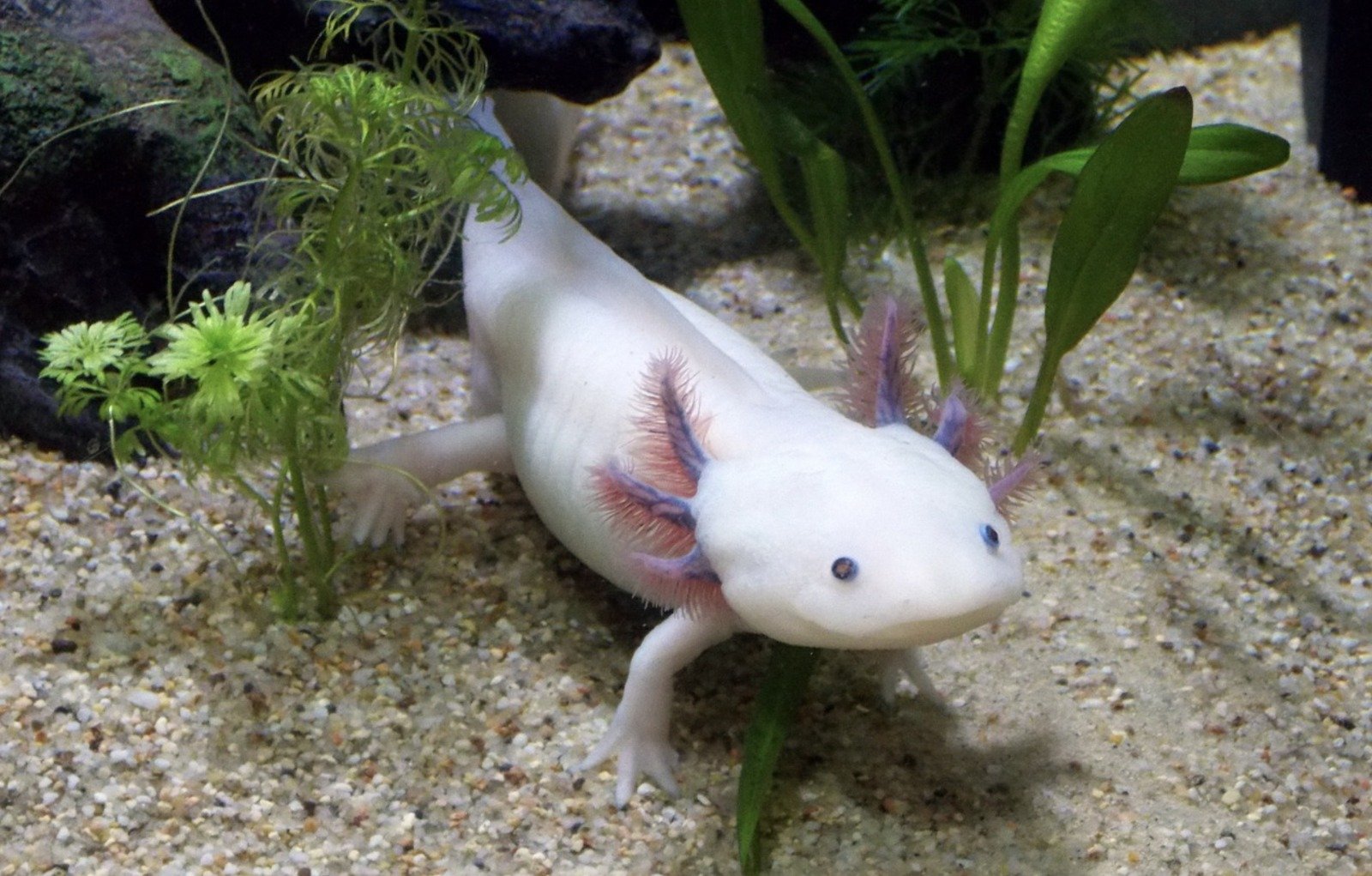
Mexico City, Mexico — Mexico is ramping up efforts to protect the axolotl, an endangered amphibian celebrated on National Axolotl Day each February 1, with conservation projects aimed at preserving its unique biology and ecological role.
The axolotl, a salamander from the genus Ambystoma, remains aquatic throughout its life, retaining larval features into adulthood. Known for its regenerative abilities, it breathes through gills, lungs, buccopharyngeal means, and its skin. This cold-blooded creature helps control insect and crustacean populations as a carnivorous predator and serves as an environmental indicator.
In 2018, Mexico’s Senate declared February 1 as National Axolotl Day to raise awareness and protect the species, which faces threats from habitat loss and invasive species. The axolotl appears on the Mexican 50-peso banknote, often collected rather than spent due to its popularity.
Mexico hosts 18 varieties of Ambystoma, including the Ambystoma mexicanum, endemic to the valleys and wetlands of Mexico City, primarily in the Xochimilco borough. Its population is at risk from non-native species like tilapia and carp, which compete for resources. The name “axolotl” derives from the Nahuatl word for “water monster,” linked to the myth of the god Xólotl transforming into one to avoid sacrifice.
Another species, the Achoque (Ambystoma dumerilii), is endemic to Lake Pátzcuaro in Michoacán. Historically used for food and respiratory treatments, its numbers have plummeted due to environmental impacts, placing it under special protection per Mexico’s NOM-059-SEMARNAT-2010 regulation.
The Mexican Institute for Research in Sustainable Fisheries and Aquaculture (IMIPAS) is leading a conservation project focused on breeding and reintroducing the Achoque. This involves collecting authorized eggs, incubating them under controlled conditions, and acclimating the young to lake waters before release. The initiative receives technical support from the Regional Center for Aquaculture and Fisheries Research (CRIAP) in Pátzcuaro and the University of Michoacana of San Nicolás de Hidalgo (UMSNH), working with the Purépecha community of San Jerónimo Purenchécuaro.
Current research also aims to improve feeding strategies to enhance survival rates and longevity. These efforts by the Secretariat of Agriculture and Rural Development seek to promote sustainable conservation and environmental benefits for the species.
Discover more from Riviera Maya News & Events
Subscribe to get the latest posts sent to your email.