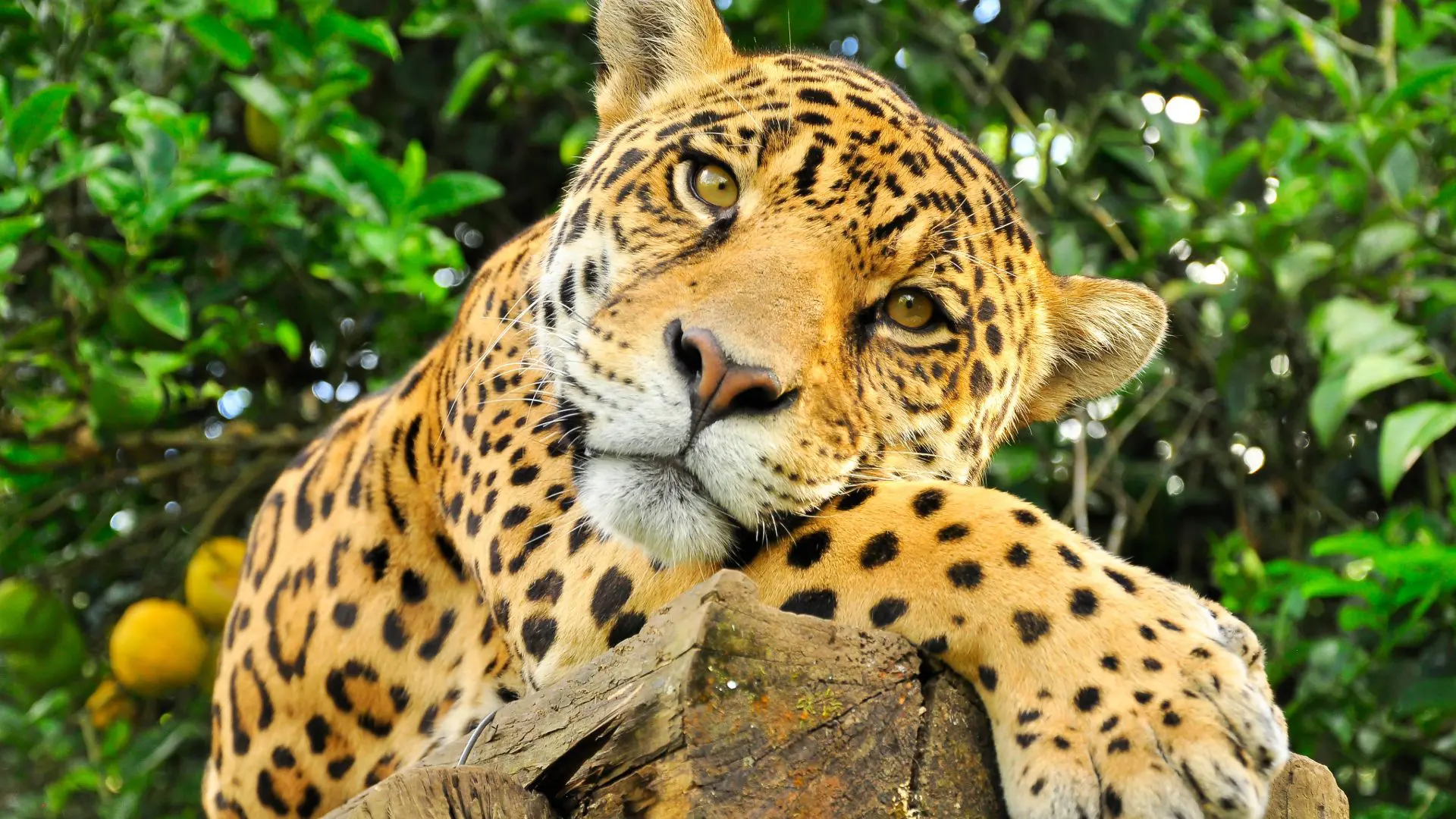
Yucatan, Mexico — Mexico’s environment ministry announced Saturday it will implement new strategies to protect the jaguar, the largest feline in the Americas, which remains classified as an endangered species.
The Ministry of Environment and Natural Resources (Semarnat) said the measures focus on “conserving ecosystems in regions where the jaguar lives, applying scientific research results, and promoting awareness about human-feline coexistence.”
As part of these strategies, Semarnat detailed that it presided over a Jaguar Conservation Group meeting in Yucatan state through its State Representation Office. Yucatan hosts a significant portion of Mexico’s jaguar population.
During the February 6 meeting, environmental authorities, specialists, and civil organizations “analyzed the current scenario in which the feline develops with the goal of updating procedures implemented for its defense.”
Semarnat specified that the meeting addressed “key solutions and proposals,” including care for the jungles and forests where the species survives, improvement of inspection and video surveillance processes, and evaluation of population census data.
The meeting also promoted eradication of poaching and illegal trade, strengthening of inter-institutional collaboration, and increased public participation in preservation efforts.
According to the National Alliance for Jaguar Conservation, the feline’s situation improved in 2025. Results from the third national census show 5,326 specimens in Mexican territory, representing a 10% population increase in recent years.
However, government-led projects like the Maya Train have classified the species as “harmful fauna,” devastating its habitat in southeastern Mexico.
Deforestation problems are compounded by industrial agriculture expansion, illegal hunting, and real estate development in protected areas.
The jaguar was one of the first species included in Appendix 1 of the Convention on International Trade in Endangered Species (CITES) in 1973 and now symbolizes shared responsibility for conserving the natural and cultural heritage of the American continent.
Discover more from Riviera Maya News & Events
Subscribe to get the latest posts sent to your email.