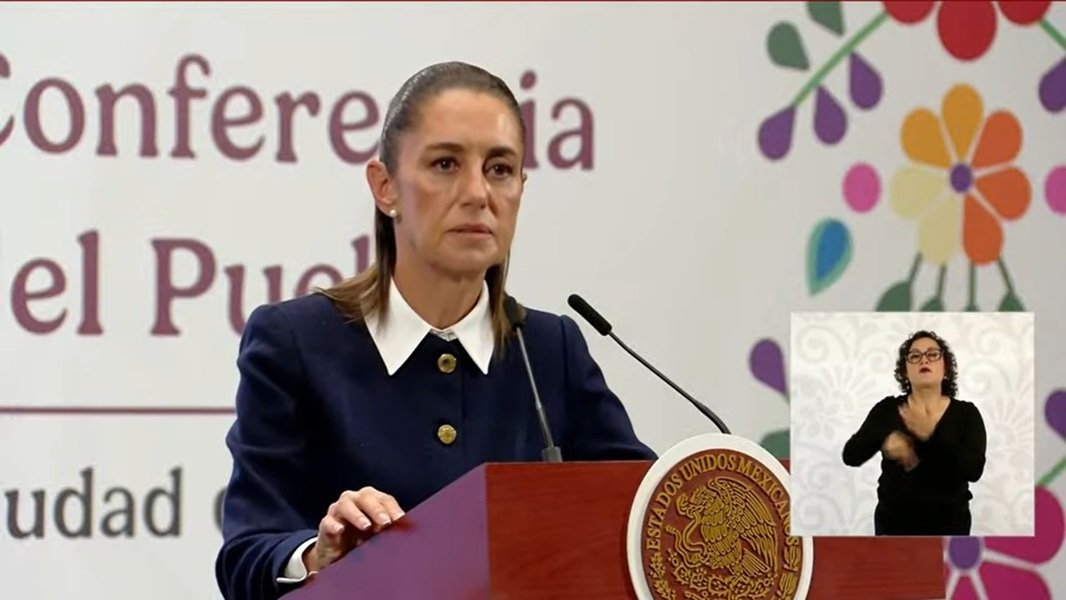
Mexico City — Opposition parties have rejected President Claudia Sheinbaum’s proposed electoral reform, with Movimiento Ciudadano leader Jorge Álvarez Máynez calling it a “grave error” that would undermine legislative representation.
Máynez criticized the ruling Morena party for acting as if it would govern permanently. “Power isn’t forever,” he wrote on X, adding that “today’s butchers will be tomorrow’s cattle” in reference to how the changes could eventually affect Morena’s own legislative representation.
The reform proposal, presented during Sheinbaum’s morning press conference, would reconfigure Mexico’s electoral system by eliminating proportional representation lists, reducing electoral spending by 25%, adjusting party financing rules, and establishing new regulations for artificial intelligence use in campaigns.
Under the proposal, the Chamber of Deputies would maintain 500 members: 300 elected by relative majority in districts and 200 through proportional representation assigned by direct vote without party lists. The Senate would eliminate proportional representation by lists entirely, keeping only seats won by majority and first minority.
The reform also includes cuts to the National Electoral Institute’s budget, reductions in salaries and bonuses for electoral council members, elimination of duplications in electoral bodies, and reduction of official airtime on radio and television from 48 to 35 minutes daily per station during campaigns. The Preliminary Electoral Results Program would be eliminated, and district vote counts would begin immediately after polls close.
Regarding oversight, the INE would gain access to financial operations of parties and candidates, cash contributions would be prohibited, and content generated with artificial intelligence would require identification. The proposal also bans hereditary succession to political offices and consecutive re-election starting in 2030.
From the Senate, Institutional Revolutionary Party national president Alejandro Moreno announced his caucus would vote against the reform. He argued that with Mexico facing a security crisis, this isn’t the time for electoral changes and called the proposal an attempt to weaken proportional representation and the electoral authority’s autonomy.
National Action Party coordinator Ricardo Anaya claimed the real objective is to reduce the INE’s budget and number of council members to weaken its oversight capacity. “We will continue defending the INE,” he stated.
President Sheinbaum announced she will send the initiative to Congress on Monday and assured the document won’t undergo additional modifications. Legislative debate is expected in the coming weeks.
Discover more from Riviera Maya News & Events
Subscribe to get the latest posts sent to your email.