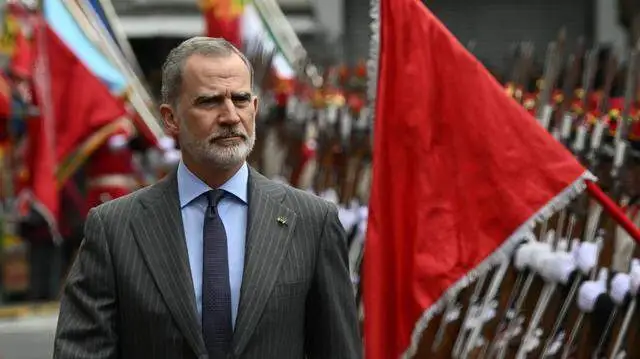
Madrid, Spain — King Felipe VI of Spain acknowledged that there was “much abuse” during the Conquest of Mexico, marking the highest-level recognition yet in a years-long diplomatic dispute between the two nations. The comments came during a visit to the “La Mitad del Mundo. La Mujer en el México Indígena” exhibition at Madrid’s National Archaeological Museum on March 16.
In an informal conversation with Mexican Ambassador to Spain Quirino Ordaz, the monarch emphasized the importance of learning from history. “It’s important to draw lessons because there have also been struggles, let’s say, moral and ethical controversies regarding how power is exercised,” Felipe VI said in a video shared by the Royal House on social media.
Origins of the Diplomatic Dispute
The recognition follows a prolonged diplomatic cooling that began on March 1, 2019, when then-President Andrés Manuel López Obrador sent letters to the Spanish king and the Vatican requesting apologies for the Conquest, which he described as a “violent, painful, and transgressive” process.
Spain’s response at the time was firm. On March 25 of that year, the Spanish government “firmly rejected” the request, arguing that events from 500 years ago cannot be judged by contemporary standards. This led López Obrador to declare a “pause” in relations in 2022, accusing Spanish companies of abuses and criticizing Madrid’s lack of “political urbanity.”
Sheinbaum Maintains the Demand
The arrival of Claudia Sheinbaum Pardo to the presidency did not soften Mexico’s position. The president supported the decision not to invite King Felipe VI to her inauguration in September 2024, prompting Spain to decline sending any representation to the event.
From her early public addresses, Sheinbaum has maintained that offering apologies “is not shameful, it ennobles and brings peoples closer,” keeping alive the expectation of a formal response to the letter sent by her predecessor.
Is the King’s Gesture Enough?
While figures like Foreign Minister José Manuel Albares have attempted to build bridges by recognizing the “pain and injustice” toward indigenous peoples, King Felipe VI’s words represent the highest level of acknowledgment to date.
However, for experts like historian Humberto Beck of the College of Mexico, this is unlikely to heal the wound. “The Mexican government will receive it as a substitute for an official apology,” Beck said, noting that Mexico’s administration has turned the apology into a political “fetish.”
On the other hand, sectors of the Republican exile community in Mexico see in these “gestures” an opportunity to heal the relationship. Juan Luis Bonilla, president of the Ateneo Español de México, believes the king’s words show genuine interest in recovering the close historical relationship, though he emphasizes that the monarch has made clear he bears no personal responsibility for events from five centuries ago.
Discover more from Riviera Maya News & Events
Subscribe to get the latest posts sent to your email.