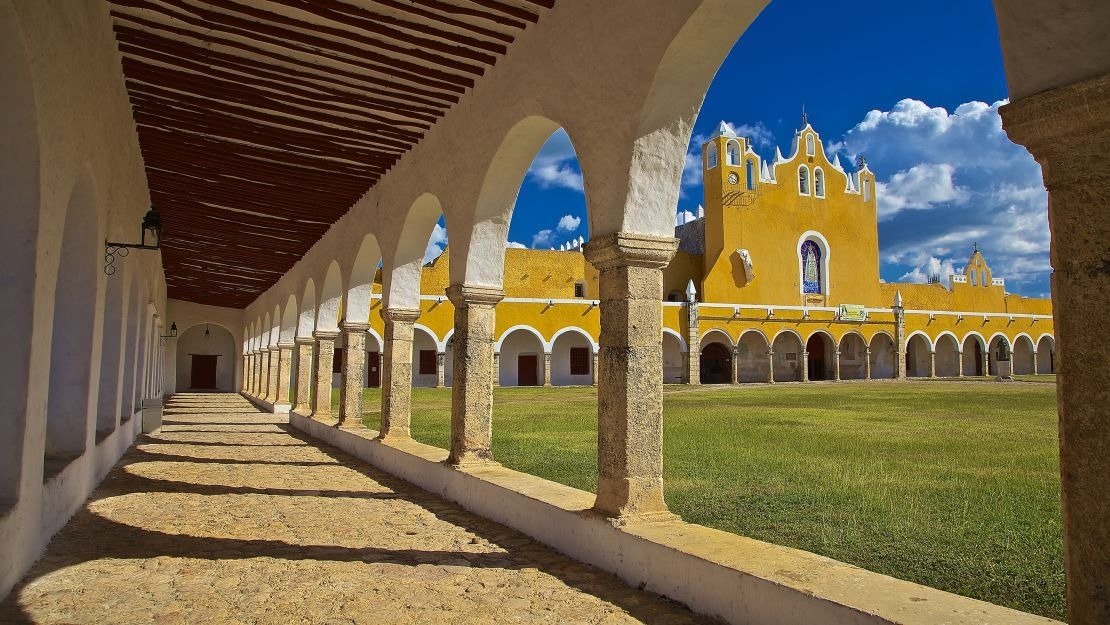
Izamal, Yucatan — Izamal, known as the “City of Three Cultures,” celebrates 24 years as a Pueblo Mágico, a federal designation that recognizes its historical, architectural, and cultural richness and has cemented its status as one of Yucatan’s most emblematic destinations.
The Mexican Tourism Ministry granted the title in 2002, making Izamal one of the first municipalities in the country to receive the distinction.
The Pueblo Mágico program formally launched on October 5, 2001, with the strategic goal of diversifying tourism offerings and highlighting the historical identity of communities with invaluable cultural wealth. Huasca de Ocampo in Hidalgo was the first locality to receive the title, which aims to preserve traditions, legends, and colonial architecture.
Situation and Evolution of the Program
As of 2026, the program remains fully active as the primary driver of domestic tourism in Mexico. Although funding structures have evolved toward greater self-management and state government participation, the 177 destinations with the designation continue to symbolize prestige. These towns now represent the preferred option for travelers seeking authentic and sustainable experiences, solidifying as the heart of regional economic spillover in contemporary Mexico.
Izamal has maintained this distinction by preserving its identity, visible in its yellow-painted facades that unify the urban image and in its historic center, where pre-Hispanic legacy, colonial heritage, and contemporary life coexist.
The Convent of San Antonio de Padua rises in the heart of the city, constructed in the 16th century over the remains of an ancient Maya ceremonial center. The Franciscan complex stands out for having one of the largest atriums in Latin America and is one of the state’s most representative architectural symbols.
It was precisely in this venue where Pope John Paul II officiated a Mass on August 11, 1993, during his pastoral visit to Yucatan—an event that marked Izamal’s recent history and projected it internationally. That gathering brought together thousands of faithful and solidified the convent as a space of spiritual and cultural relevance.
The “City of Three Cultures” moniker refers to the coexistence of the Maya past, represented by vestiges like the Tu’ul, Habuk, and Itzamatul pyramids; the colonial stage, reflected in temples, mansions, and cobblestone streets; and the current dynamics of a community that keeps its artisanal, religious, and festive traditions alive.
In tourism, Izamal has consolidated as one of the most visited destinations inland in Yucatan, complementing the offerings of archaeological sites like Chichén Itzá and Valladolid. Its proximity to Mérida and distinctive visual identity have been key factors in attracting both national and international tourism.
Twenty-four years after its incorporation into the federal program, Izamal continues writing its history under the Pueblo Mágico seal, a category that represents not only tourism promotion but also the commitment to conserve its cultural heritage and strengthen local economic development through sustainable tourism.
Discover more from Riviera Maya News & Events
Subscribe to get the latest posts sent to your email.