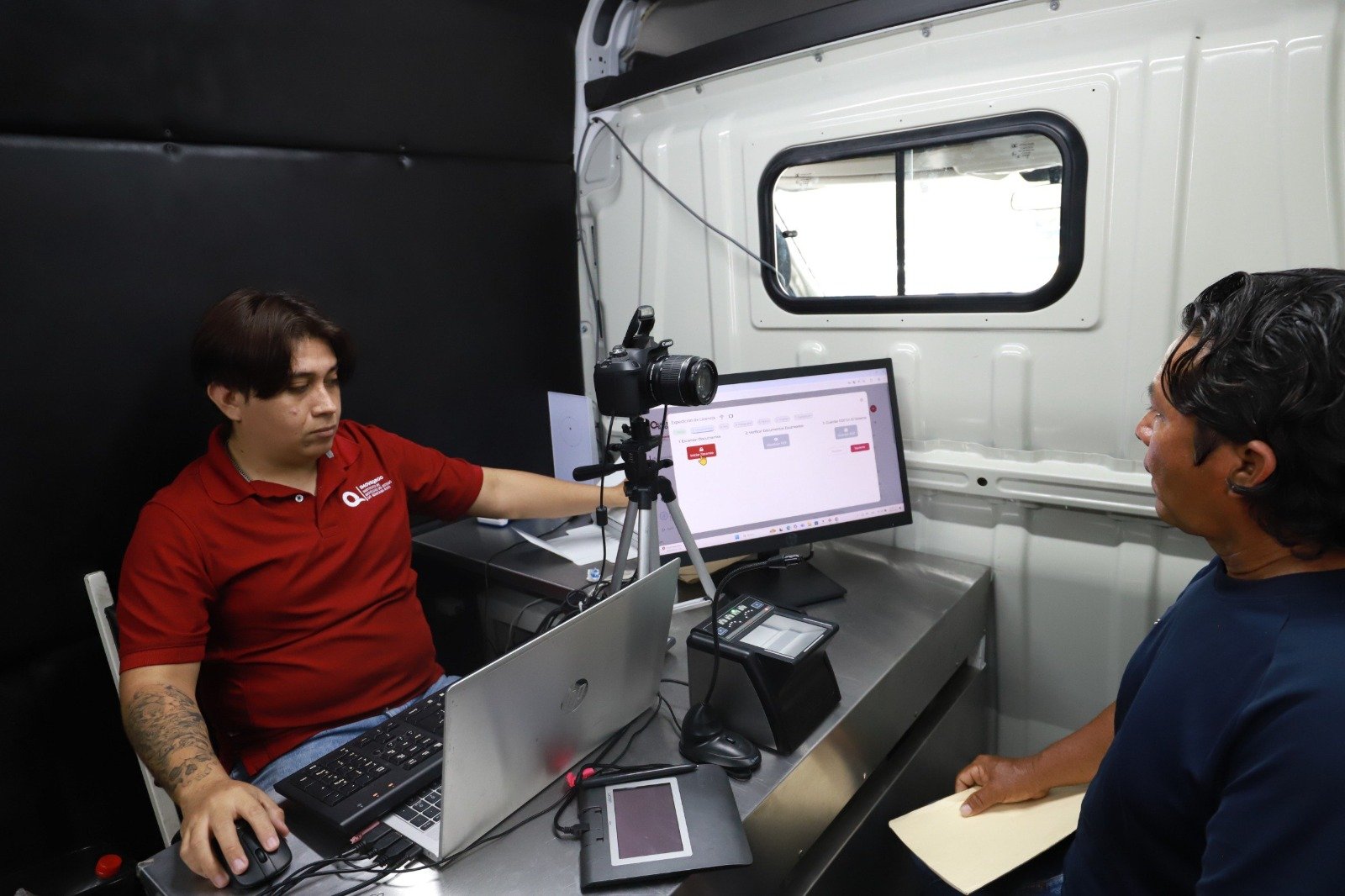
Chetumal, Quintana Roo — The Quintana Roo State Mobility Institute (IMOVEQROO) reported a historic transformation in driver’s license issuance during 2025, consolidating faster service, stronger security, and expanded access across the state under the administration of Governor Mara Lezama.
According to IMOVEQROO director Rafael Hernández Kotasek, the institute strengthened a people-centered service model focused on efficiency, accessibility, and territorial equity. As of December 16, 2025, the agency had issued 233,599 driver’s licenses, reflecting both high demand and increased operational capacity.
One of the most significant changes has been the modernization of physical licenses. In 2025, Quintana Roo fully implemented licenses with enhanced security features, including real-time identity verification with the National Population Registry (RENAPO). This system helps prevent fraud and reduced average processing time from 20 minutes to just 10, a 50 percent improvement.
Digital Licenses Now Fully Valid in Quintana Roo
Quintana Roo also advanced digital mobility with the rollout of the digital driver’s license, which carries the same legal validity as the physical version under Article 221 of the State Mobility Law regulations.
Since June 23, 2025, drivers with a valid Quintana Roo license can download a digital version by scanning the QR code on the back of their physical license and adding it to Apple Wallet or Google Wallet. The digital license includes a dynamic QR code, digital signature, and authentication seal, and is available at no additional cost.
What This Means in Playa del Carmen
For residents of Playa del Carmen, these changes translate into faster, more predictable service. License issuance and renewals are handled through IMOVEQROO offices, with requirements that typically include:
- Valid official ID (INE or passport)
- CURP
- Proof of address
- Current license (for renewals)
- Payment of applicable fees
Appointments are recommended when available, though walk-in service is still common. Renewal processes are now significantly quicker thanks to RENAPO verification and streamlined workflows.
Mobile Units and Local Agreements Expand Access
IMOVEQROO also expanded its Mobile License Caravans, increasing coverage from 60 to 78 communities statewide, a 30 percent expansion over 2024. These mobile units bring licensing services directly to rural and previously underserved areas.
Additionally, the institute signed 10 coordination agreements with municipalities, allowing residents to complete licensing procedures closer to home. This approach reduces travel costs, wait times, and administrative barriers.
“The objective is clear: that no person has to travel long distances to exercise their right to mobility. We are taking the service to where people live,” Hernández Kotasek said.
With these measures, IMOVEQROO closes 2025 with a licensing system that is faster, more secure, and more accessible, reinforcing Quintana Roo’s push toward modern public services built around efficiency, transparency, and proximity to residents.
Discover more from Riviera Maya News & Events
Subscribe to get the latest posts sent to your email.