Cancún, Quintana Roo — Long before dinosaurs roamed the Earth, the horseshoe crab was already navigating the oceans. Its lineage has survived five mass extinctions, but today one of its newest challenges comes not from geological upheaval or natural disaster, but from a human-made threat: microplastic pollution.
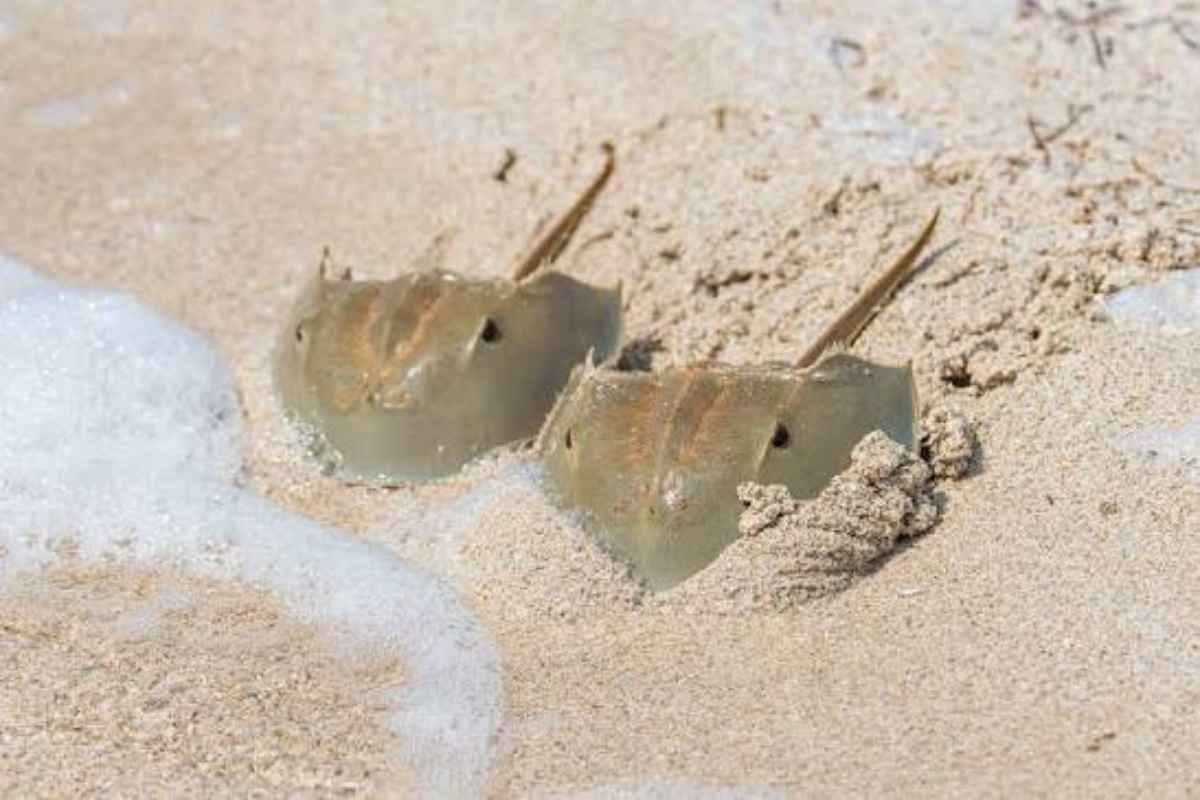
Known in Mexico as the cacerolita de mar and scientifically as Limulus polyphemus, the horseshoe crab is one of the most unusual organisms found in Quintana Roo’s coastal waters. With a hard, horseshoe-shaped shell, a long pointed tail and a set of biological traits unlike any other, it is a remarkable piece of evolutionary history.
Its antiquity and resilience have drawn scientific interest, along with the need to understand what is happening to its populations and how new environmental pressures are affecting the species.
Those questions were at the center of a talk by researcher Mitzi Ayala, who shared her knowledge of horseshoe crab biology and presented the results of her latest scientific work, focused on the presence of microplastics in specimens from northern Quintana Roo.
The event, organized as part of the outreach activities of Cenotes Urbanos, saw the specialist explain in accessible terms the animals’ evolutionary journey, their distinctive features and the research process used to study the contamination affecting them.
The presentation brought the public closer to a problem that often goes unnoticed. Microplastics are plastic fragments smaller than five millimeters that can reach the marine environment through waste, wastewater and the breakdown of larger objects. Once in aquatic ecosystems, they can enter food chains and come into contact with different organisms.
For the horseshoe crab, investigating the presence of these pollutants offers a chance to better understand the environmental pressures the species faces along Mexico’s Caribbean coast.
Ayala’s work provides scientific information on the problem in a region where coastal ecosystems are closely tied to human activity.
One of the most moving moments of the talk came with the screening of a video documenting the birth of a tiny horseshoe crab in the researcher’s hand during a sampling trip.
The scene revealed a different side of scientific work: behind the data, samples and laboratory analyses lies direct contact with organisms whose survival depends on the conservation of their habitats.
The emotion continued when Ayala presented the cover of her recently published scientific article, in which she acknowledged Cenotes Urbanos’ participation in the research.
The event closed with questions from the audience and announcements about the organization’s upcoming environmental outreach activities. But the message went beyond learning about an extraordinary species: even organisms that have withstood millions of years of planetary change are not necessarily prepared to face environmental alterations occurring at an ever-faster pace.
The horseshoe crab is a reminder that natural history is not separate from our present. Its continued presence along the coasts of Quintana Roo also depends on what happens in the ecosystems it inhabits and on our ability to recognize that plastic pollution can reach even the oldest living beings on the planet.
More Environment
- Mexico Approves Bird Flu Vaccination in Yucatan After Second Outbreak
- Two Puerto Morelos Schools Certified for Health Promotion and Dengue Prevention
- Cozumel Reef Park Accused of Oversaturation and Black Market in Permits
- Cold Front 8 Floods Nearly 80% of Holbox Streets
- Isla Mujeres Rides Infrastructure and Beach Upgrades to Top Caribbean Tourism Ranks
More Quintana Roo
- Winter Tourism Set to Bring Relief to Mexican Caribbean, With Canada Playing Key Role
- Olimpia Coral and Eufrosina Cruz Share Their Stories at Cancun Panel on Women’s Rights
- Quintana Roo Quadruples Funding for Civil Associations to 16 Million Pesos
- ADO Projects 15% Rebound in Quintana Roo Travel During December Season
- Quintana Roo Brings Four Community Tourism Routes to National Pueblos Mágicos Gathering