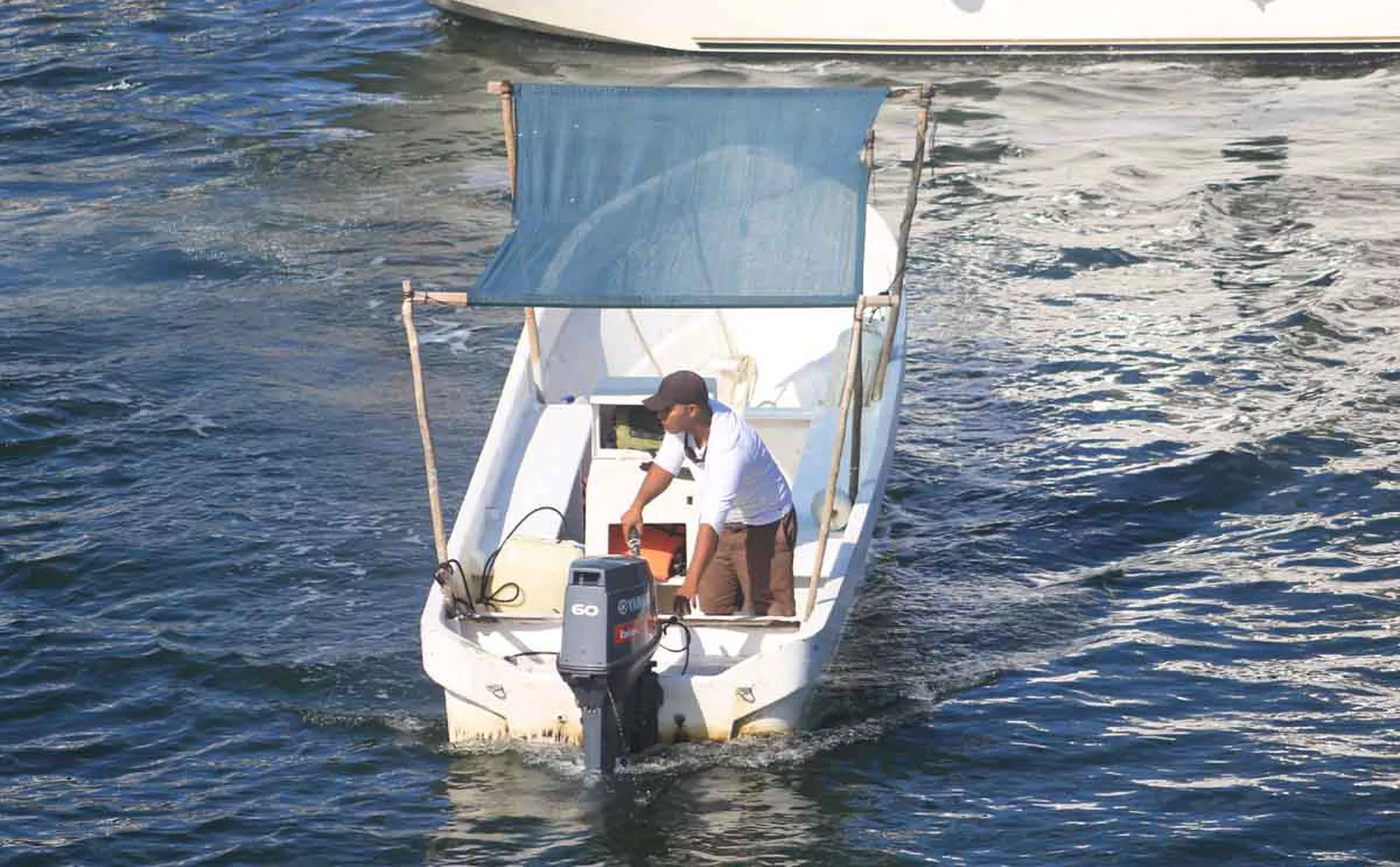
Quintana Roo, Mexico — Despite the tourism industry being the main economic engine in Quintana Roo, fishing remains a strategic activity for the region’s food security, with an annual production of approximately 1,943 tons, positioning it 17th nationally. The sector stands out not for massive volume but for the high commercial value of its key species.
In this context, the Secretariat of Agricultural, Rural, and Fisheries Development (Sedarpe) announced that support programs for the fishing and aquaculture sectors will continue in 2026, following an investment exceeding six million pesos executed during 2025.
This is to continue promoting the legal fishing of species such as spiny lobster and grouper, with the latter placing Quintana Roo fourth in Mexico’s production ranking. Other economic drivers of the sector include octopus and shrimp, especially caught in the Contoy fishing grounds, as well as the pink conch, whose catch is under strict quotas to ensure its preservation.
The primary sector’s activity, after years of lag denounced by maritime workers, is benefiting from the current administration through the program “Hand in Hand to Feed More Aquaculture and Fishing.”
Of the 6,649,586 pesos, a total of 4,759,778 pesos went to the fishing sector and aquaculture received 1,889,808 pesos.
The head of Sedarpe, Jorge Aguilar Osorio, emphasized that these supports are comprehensive, aiming to modernize the work tools of coastal families.
“We are going to reinforce this primary activity; at the beginning of this year we delivered engines and boats, and a second delivery of around 40 additional units is coming. We are also delivering geomembranes and feed for those dedicated to tilapia aquaculture,” he said.
The benefits this year considered fishermen with valid Conapesca permits belonging to 17 cooperatives in strategic locations such as Mahahual, Punta Herrero, Holbox, Isla Mujeres, Puerto Morelos, and Chetumal, among others, with whom the Secretariat regularly holds working meetings to understand their needs.
In addition to strengthening the local economy, the equipment—which includes modern engines and radio communication systems—delivered to fishermen has a tactical objective: to combat illegal fishing and facilitate the traceability required by federal authorities.
Discover more from Riviera Maya News & Events
Subscribe to get the latest posts sent to your email.