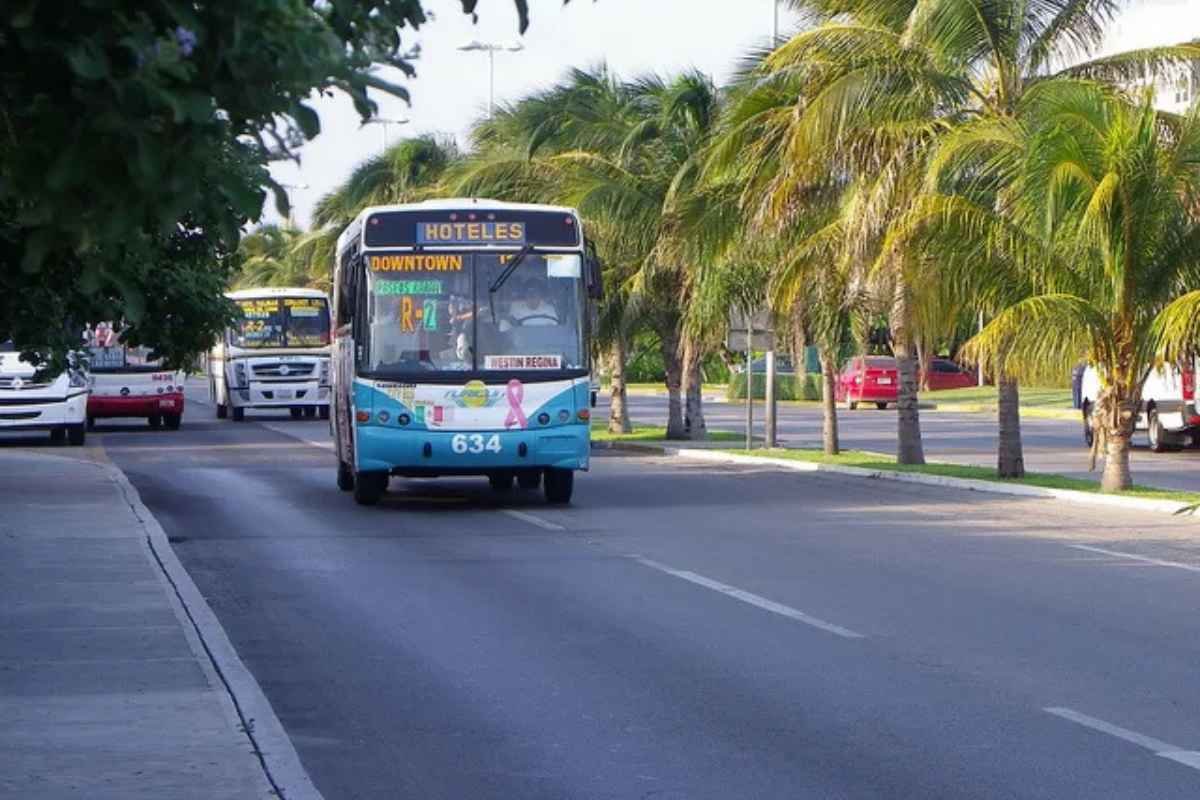
Cancún, Quintana Roo — Eugenio Segura, coordinator of the Transformation and National Sovereignty program in Quintana Roo, highlighted changes to Cancún’s public transport model, explaining how routes now operate and how service is provided.
Segura, who is also a senator, said routes previously responded mainly to passenger demand, concentrating buses in the areas and at the times with the highest ridership. That approach, he said, left some families far from transport options and prioritized trips with the most users.
He said the new model instead aims to meet the city’s mobility needs by organizing routes according to what residents require.
Payment system shifts from passengers to kilometers
Segura said one of the main changes concerns how operators are paid. Previously, buses competed to pick up passengers along their routes. Now, he said, operators are paid per kilometer traveled and for meeting established schedules, regardless of how many passengers they carry.
The new model seeks to change the incentives for providing the service and to ensure routes follow set coverage and frequency, he said. His message did not include figures on the number of buses added, kilometers contracted or compliance indicators.
Route 27 links northern Cancún to hotel zone
Segura cited route 27 as an example, saying it connects northern Cancún with the hotel zone. He said passengers previously had to change buses midway, while now they can complete the trip on a single route.
The service crosses the Nichupté Bridge, part of the connection between different areas of Cancún, he said. The change aims to make travel easier for residents of northern Cancún who need to reach the hotel zone.
Segura credits Fourth Transformation governments
Segura attributed the transport changes to the governments of the so-called Fourth Transformation, saying Cancún is moving toward a mobility system suited to an international tourist destination and one that puts residents’ needs first.
His message did not detail the cost of the new scheme, present evaluations of its results or specify how many routes currently operate under the model. Route 27 remains the example he used to explain the changes to urban mobility in Cancún.
More Community
- Two Isla Mujeres Tourist Police Officers Suspended for Drinking on Duty
- Isla Mujeres Residents Fight 37% Ferry Fare Hike, Seek Federal Intervention
- Playa del Carmen Weighs Safety Upgrades Around Evening and Night Schools
- Cancún Taxi Union Election Marred by Alleged Irregularities as Golden Slate Protests
- Feminist Groups March in Cancún, Denounce Government Inaction on Violence Against Women
More Cancun
- Xcaret Ferry Raises Fares on Playa del Carmen–Cozumel and Cancún–Isla Mujeres Routes
- Cancún Prepares Second Round of Self-Build Housing Program
- Quintana Roo Rolls Out 1,000 Mpox Vaccine Doses for 500 People
- Quintana Roo Launches Hotel Task Force to Tackle Sargassum
- Quintana Roo Launches ‘Libres y Seguras’ Strategy to Prevent Violence