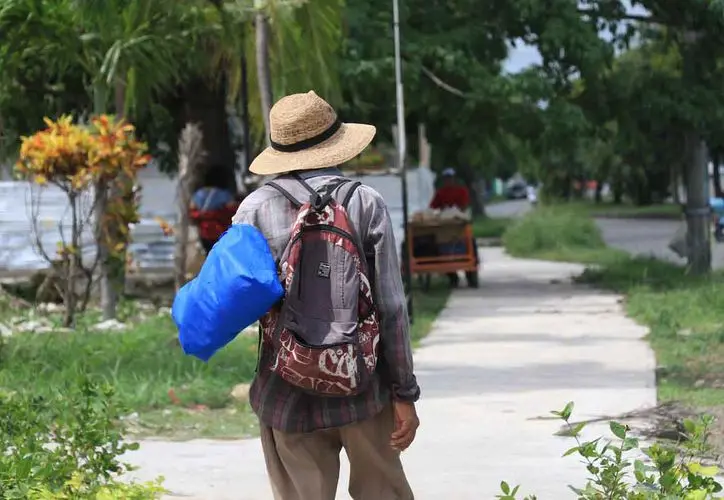
Cancún, Quintana Roo – Discrimination against indigenous migrants continues to be a palpable reality in Quintana Roo, affecting their access to basic rights such as education and employment. Despite awareness efforts, cases of exclusion persist in the state, especially in tourist destinations like Cancún.
According to data from the Institute for the Development of the Maya People and Indigenous Communities of the State (Inmaya), approximately seven out of every ten indigenous people in the region face discrimination, which hinders their labor integration. Pablo Martínez Flores, director of the Migrant Care Center in Cancún, has documented situations in which minors are rejected from schools and adults are not admitted to jobs due to their ethnic origin, physical features, or clothing.
Statistics reveal that 24% of the indigenous population has experienced discrimination in the last five years, and an alarming 75.6% believe that people from indigenous communities are undervalued by society. Martínez Flores emphasized that, despite having the same rights, they face rejection in schools, insults in public spaces, and scarce job opportunities.
Historically, these groups have been marginalized in key sectors such as health, education, justice, and employment. Stereotypes that associate them with poverty or lack of work capacity have perpetuated this exclusion in both public and private spheres. The northern zone of Quintana Roo is an arrival point for indigenous migrants from other communities in the state and from various federative entities, who seek better living conditions and employment.
The Migrant Care Center collaborates with the Human Rights Commission to receive complaints from migrants who, after fleeing difficult situations in their places of origin, arrive in Cancún and continue to be harassed. The need for institutional attention and concrete responses, not just good intentions, to address these cases is underscored. For 18 years, the center, located in the Nuevos Horizontes park (El Crucero), has provided care to indigenous migrants from the states of the Yucatán Peninsula, as well as from Chiapas, Oaxaca, and Veracruz.
Discover more from Riviera Maya News & Events
Subscribe to get the latest posts sent to your email.