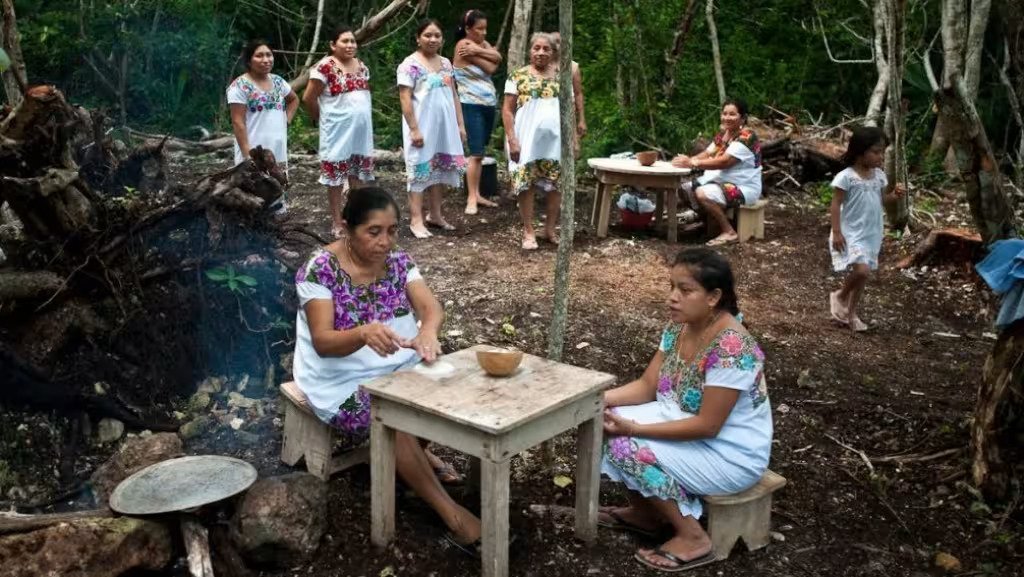
Community tourism in Yucatán is holding on, although Mayan cooperatives operate at a disadvantage compared to private business interests.
In Yokdzonot, a cooperative founded in 2005 demonstrated that indigenous communities can be protagonists. Ten kilometers from Chichén Itzá, in the town of Yokdzonot, a group of residents made a decision twenty years ago that still surprises with its clarity: instead of waiting for a company to come and exploit their cenote, they reclaimed it themselves. They formed the Zaaz Koolen Haa cooperative in 2005, fenced off the area, built basic infrastructure, and began receiving tourists. The model worked. And then the problems began.
While the Yokdzonot cooperative received a cumulative investment of approximately five million pesos over more than a decade through federal programs, a private entrepreneur invested 160 million pesos to open the Tsukán "ecological" park a few kilometers from the same cenote. This disparity speaks volumes about the conditions under which the two models compete.
The Model That Does Work, When They Let It
The Yucatán government presented the "Yucatán Mosaic of Experiences" catalog at the 2025 International Tourism Fair (Fitur). Developed in collaboration with UNESCO, Airbnb, and the Co'ox Mayab alliance, which brings together nine community-based tourism enterprises in the state, the catalog highlights 14 experiences, including embroidery workshops, visits to melipona bee apiaries, traditional cuisine, and tours of protected natural areas.
The project has achieved concrete results: at the 2025 Tianguis Turístico, México Desconocido magazine recognized Yucatán as a finalist in the Community Tourism category for the diversity and authenticity of its products. However, this recognition does not resolve the structural problems these communities face.
Only a small percentage of community-based tourism ventures in the Yucatán Peninsula manage to combine commercial viability with equitable distribution of benefits. Marketing remains their Achilles' heel: the digital divide in rural areas is glaring, and competition with private operators takes place under profoundly unequal conditions.
Haggling and Silent Privatization
One of the most damaging mechanisms for community-based tourism operates on the roads, far from any regulation. Members of Zaaz Koolen Haa documented the constant haggling by guides and drivers who take tourists to the cenotes, sometimes threatening to divert them to other destinations if they don't receive a commission. In 2018, tour operators and guides kept 25 percent of the cooperative's gross income.
The pressure doesn't come only from intermediaries. In eastern Yucatán, several cenotes located on land under communal ownership have been subdivided and sold. Advertisements for land "with a cenote" are increasingly common along rural roads and on digital real estate platforms. What for the communities is collective heritage and a source of life, for the market is simply an asset that adds value to a property.
What's at Stake
The debate surrounding community-based tourism is not merely economic: it is cultural and political. Cooperatives like those in Yokdzonot or Río Lagartos are not simply businesses; they are forms of organization that allow communities to control their own territory and decide how they interact with the outside world. But even these structures are vulnerable to the privatizing forces wielded by the state and the private sector, and ultimately compete with large-scale tourism at a disadvantage.
Mario Tuz May, president of Co'ox Mayab, stated it precisely: "We have worked to promote tourism that is both supportive and responsible to local communities and the environment. Our initiative stems from the collective effort of cooperatives, academia, and civil society to build alternative ways of doing tourism. But marketing remains one of the biggest challenges, especially due to increasing competition."
The Yokdzonot cenote remains open. The cooperative continues to operate. But the question that arises every tourist season is the same: how much longer can they sustain themselves under the current regulations?
Discover more from Riviera Maya News & Events
Subscribe to get the latest posts sent to your email.