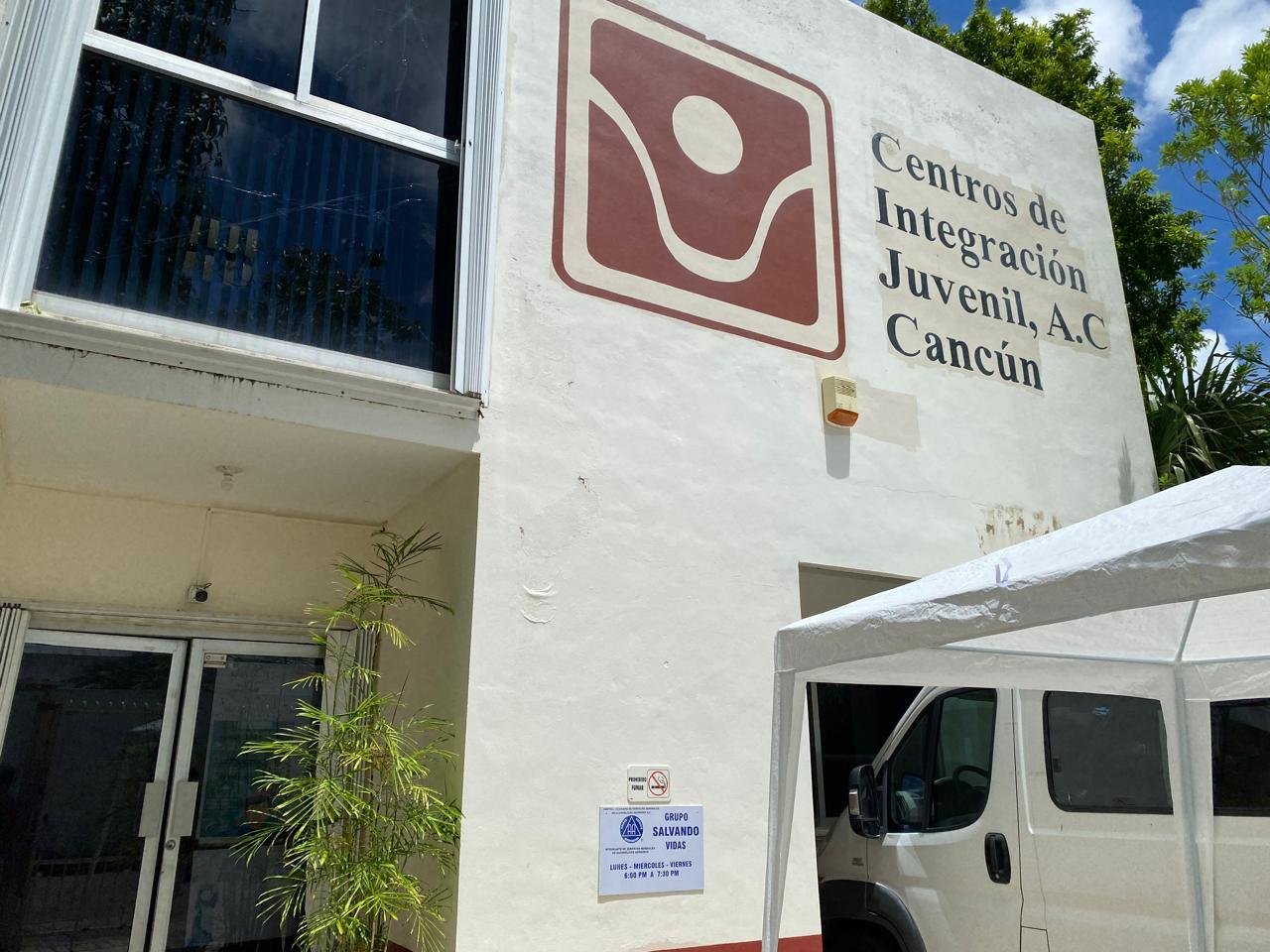
Cancún, Q. Roo. — Methamphetamine consumption is advancing at a concerning rate among adolescents and young people in Cancún, becoming the illicit drug with the highest incidence, surpassing tobacco and cannabis. The Center for Youth Integration (CIJ) issued this alert, reporting a 15% increase in care during the last year.
According to Alfredo Hatchett Anaya, a specialist at CIJ Cancún, the center records between 12 and 18 specialized consultations per day, representing more than 400 monthly attentions. In the most recent period alone, he specified, 260 new cases were added, in addition to the follow-up provided to patients who remain in treatment from previous years.
The surge, he emphasized, is concentrated among middle school and high school students, stages where the first risk behaviors typically appear. “These are critical moments: that’s where the first consumptions and the first emotional problems are gestated, which, if not addressed, advance into adult life,” he explained.
The predominant group of patients treated is between 16 and 23 years old, a highly vulnerable sector due to social pressure, increasingly easy access to psychoactive substances, and the constant emotional changes typical of that age.
Hatchett Anaya warned that methamphetamine shows a “significant” increase driven by three factors: its low cost, its availability in the local market, and its rapid and intense effects.
To this is added the influence of “word of mouth” among young people, which normalizes its consumption. In contrast, the specialist noted that tobacco consumption has seen a notable decrease, although this does not compensate for the growing preference for more dangerous substances.
No Fentanyl Cases… For Now
CIJ Cancún has not detected any cases of fentanyl consumption among the patients treated so far. However, Hatchett warned that this does not mean the substance is not circulating in the social environment, but that it has not yet visibly reached the institution’s care services.
Another relevant behavior is the increase in alcohol consumption among women, accompanied by a positive phenomenon: more women are requesting specialized care.
“For years there was a lot of discrimination—and even self-discrimination—toward women with consumption problems. The fear of being judged kept them away from services. Today, that stigma is beginning to break, and we see an increase in women seeking help. That is extremely encouraging,” he stated.
Mental Health and Consumption: A Direct Relationship
Hatchett recalled that mental health and addictions are closely related. Among the young people they treat, mood disorders, such as depression and bipolar disorder, as well as anxiety disorders, are the most frequent ailments. These psychological problems, he stressed, often trigger or worsen substance consumption.
The specialist emphasized that the trend observed in Cancún demands reinforcing prevention, access to care, and community strategies to reach students at early ages, before consumption advances to more severe stages.
Discover more from Riviera Maya News & Events
Subscribe to get the latest posts sent to your email.